property
What Tasmanian Renters Can Do When Leases End Amid Tight Supply
With vacancy rates in Hobart and Launceston at historic lows, renters scrambling at lease’s end face tough choices-but local resources can help.
How we reported this
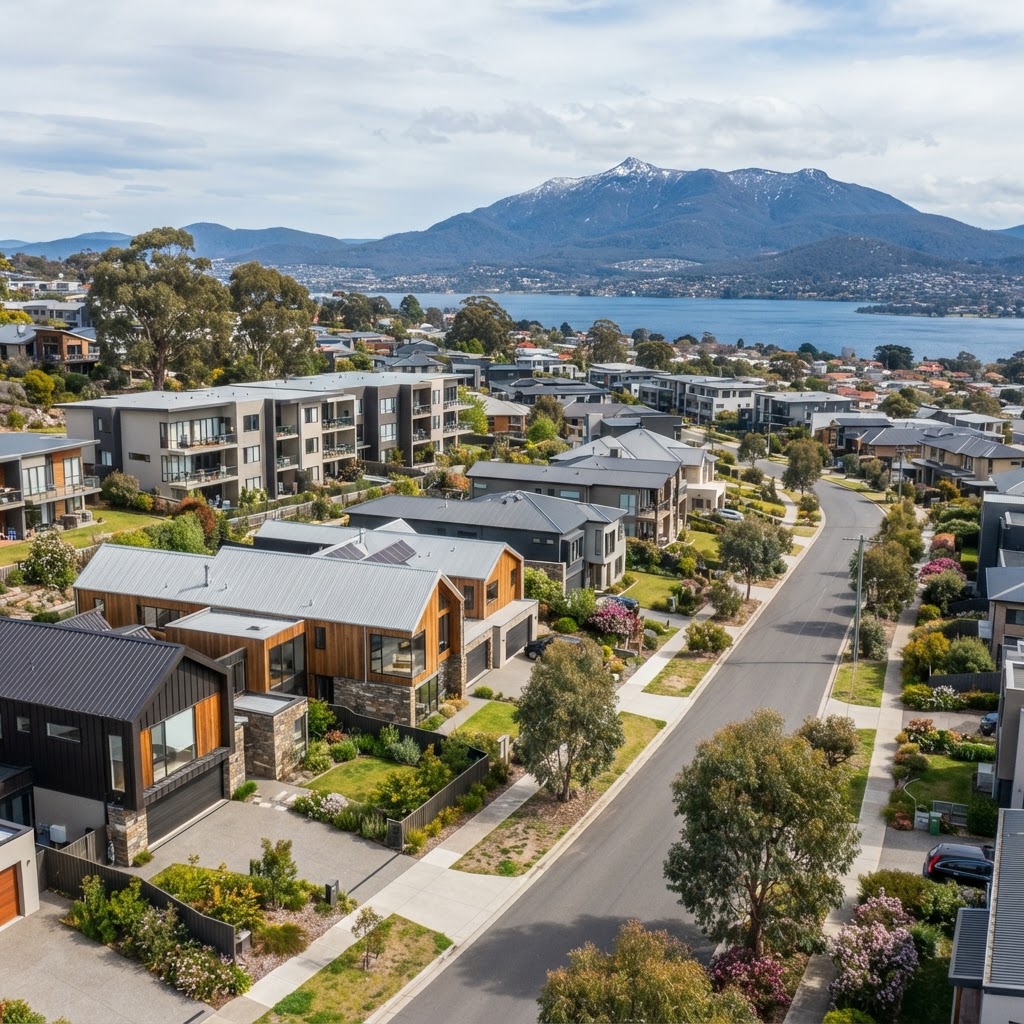
Finishing a rental lease in Tasmania this winter has become a daunting scenario for many. Renters in Hobart’s city centre, North Hobart and heavily sought-after waterfront locales like Sandy Bay are increasingly confronted with the question: what next, when the rental supply is so tight?
Rental Stress Increases as Market Tightens
Competition for rental properties in inner Hobart and growing centres like Launceston has intensified, reflecting Tasmania’s ongoing lifestyle migration boom. Newcomers and locals alike now jostle for a shrinking pool of listings, particularly in attractive neighbourhoods such as Battery Point and Newstead. Rental inspections along streets like Davey Street and Salamanca Place regularly attract large crowds, with multiple applicants vying for the same property.
This situation is causing stress for existing tenants whose leases are not renewed, pushing many to consider alternative strategies. Lease-end notices, which once signalled a simple move to a new rental, now represent a major logistical challenge. Real estate agencies like Petrusma Property report surges in inquiry volumes, while community organisations such as Tenants’ Union of Tasmania are fielding more requests for tenancy advice.
Number Crunch: Tasmania’s Rental and Buying Landscape
Data from sources including the Real Estate Institute of Tasmania indicate that the state’s median home price remains above $500,000. While this figure highlights homeownership’s ongoing expense, it also underscores challenges for would-be buyers seeking an exit from the rental system. In established suburbs like Sandy Bay, median house prices are even higher, cementing the area’s reputation as a premium market. Meanwhile, alternative markets in northern Tasmania, such as Launceston, continue to draw both renters and buyers searching for relative affordability. Despite this, vacancies remain extremely low in both regions.
Organisations such as Housing Connect, which is funded by the Tasmanian Government, can assist eligible tenants with emergency accommodation or advice when leases conclude unexpectedly and no new rental can be found. The Tenants’ Union of Tasmania offers fact sheets, hotline advice, and support for resolving disputes, and urges tenants to know their notice periods and bond rights under current state leasing laws.
Staying Prepared and Exploring Options
So what next for renters facing lease termination? Experts recommend starting the property search well before the vacancy date, monitoring rental websites daily for new listings and preparing references and finances in advance. For those able to consider relocation, expanding the search beyond Hobart’s most competitive pockets-such as looking to suburbs like Moonah or Glenorchy, or north to Devonport-can uncover slightly less pressured options.
Additionally, renters in urgent need of housing may be able to access short-term accommodation via platforms like Stayz or Airbnb, though competition in peak periods can bleed into even these alternatives. Ultimately, Tasmania’s ongoing tight rental market demands strong organisation and early action, as well as help-seeking from advocacy groups or government programs wherever possible.
This article is general information only and is not personal financial or investment advice. Consider your own circumstances and seek licensed professional advice before making financial decisions.