property
Build-to-Rent Arrives in Tasmania: What It Actually Means for Renters Priced Out of Buying
With the state median hovering around $560,000 and rents still climbing, a new model of purpose-built rental housing is being held up as a practical alternative, but the details matter.
How we reported this
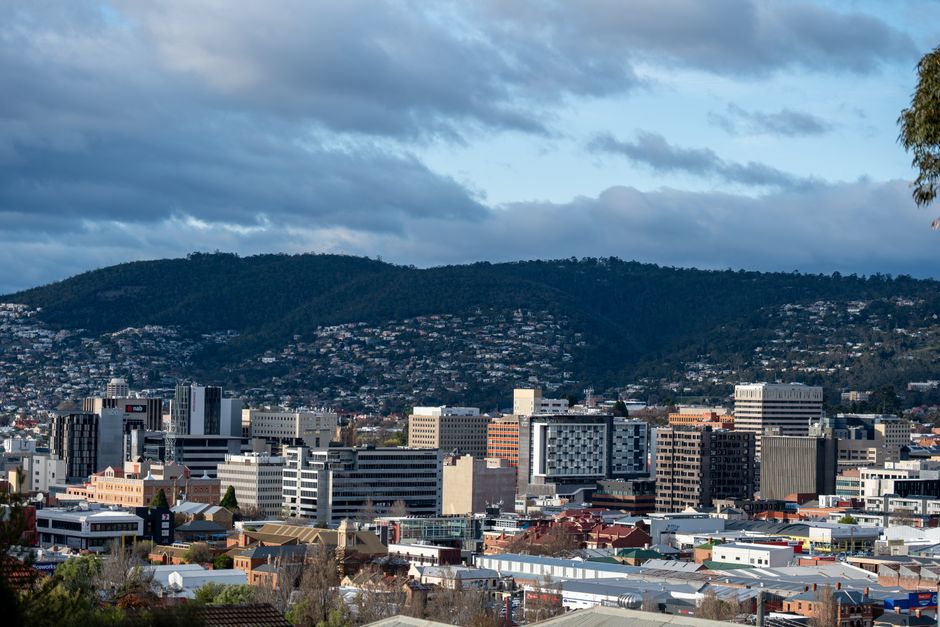
Tasmania's rental market has spent three years grinding tenants down. The state median house price sits at roughly $560,000, putting first-home ownership out of reach for a large share of Hobartians on average wages, while vacancy rates in greater Hobart have repeatedly dipped below one percent. Now a different kind of housing product, build-to-rent, is being floated as the structural fix the market has been waiting for.
Build-to-rent, known in the industry as BTR, works differently from the standard investment model most Tasmanians know. Rather than a developer selling individual units to private landlords who then lease them out, a single institutional owner retains the entire building and manages it as a professional rental operation. The pitch to tenants is longer lease terms, on-site management, and maintenance that doesn't depend on whether your individual landlord bothers to return calls.
Why the Timing Matters for Hobart and Launceston
The conversation has arrived in Tasmania later than on the mainland, where BTR towers have been operating in inner Melbourne and Sydney since the early 2020s. The Tasmanian context is different, the island's development pipeline is smaller, construction costs per square metre are higher than the national average due to freight and labour constraints, and the institutional capital that funds large BTR projects has historically looked straight past the Apple Isle toward higher-density eastern seaboard markets.
That calculus is shifting. Hobart's lifestyle migration boom, which accelerated after 2020, has made the city a more attractive long-term investment thesis for fund managers. Suburbs like North Hobart, along Elizabeth Street, and the inner eastern pocket around Mornington have seen rental demand harden consistently. Launceston, meanwhile, is drawing fresh attention as a secondary market: median prices there remain below Hobart's, infrastructure investment is ongoing, and the University of Tasmania's Inveresk precinct keeps a steady flow of young renters in the market.
Affordable housing advocacy group Shelter Tasmania has been publicly calling for policy settings that encourage institutional BTR investment with affordability conditions attached, specifically, requirements that a proportion of units in any BTR development be offered below market rent. Without those conditions, critics argue, BTR simply adds more supply at the premium end and does little for the households most squeezed by the current market.
What Tenants Actually Get, and What They Don't
The practical differences between renting in a BTR building and renting from a private landlord are worth examining carefully. Professional management typically means a dedicated property team on site or on call, faster response to maintenance requests, and standardised lease terms that can extend to two or three years rather than the twelve-month rolling agreements common in Tasmania's private rental sector. Some BTR operators, particularly those running developments in Melbourne's Docklands and Brisbane's inner north, have included communal amenities such as gyms, co-working spaces, and rooftop terraces in their value proposition.
For Tasmanians, those amenities carry a premium. Indicative modelling from housing researchers suggests BTR rents in Australian markets typically sit five to fifteen percent above comparable private rentals in the same suburb, largely because the institutional cost of capital must be serviced. A tenant paying $500 per week in a standard North Hobart rental could expect to pay somewhere between $525 and $575 for an equivalent BTR unit, more if the building includes high-end finishes or shared facilities.
The state government's Homes Tasmania agency is understood to be in early-stage discussions with private developers about BTR-adjacent models for key worker housing, though no projects have been formally announced. The Hobart City Deal, a tripartite funding agreement between federal, state, and Hobart City Council, identified housing diversity as a priority outcome, which gives BTR proponents a policy hook to work with.
For renters weighing their options right now, the practical advice is straightforward: BTR is not yet available at scale in Tasmania, but it is coming. Anyone signing a lease in Hobart or Launceston in 2026 should ask their property manager whether the building is institutionally owned, understand their rights under Tasmania's Residential Tenancy Act around lease length and rent increases, and treat any BTR listing carefully, check whether the advertised amenities are included in the base rent or charged separately. The model has real advantages. It also has a price tag.
This article is general information only and is not personal financial or investment advice. Consider your own circumstances and seek licensed professional advice before making financial decisions.