property
Tasmania's Investor Yields: What the Numbers Actually Show
Rental returns across the Apple Isle are telling a complicated story, strong in some pockets, squeezed in others, and savvy investors are paying close attention.
How we reported this
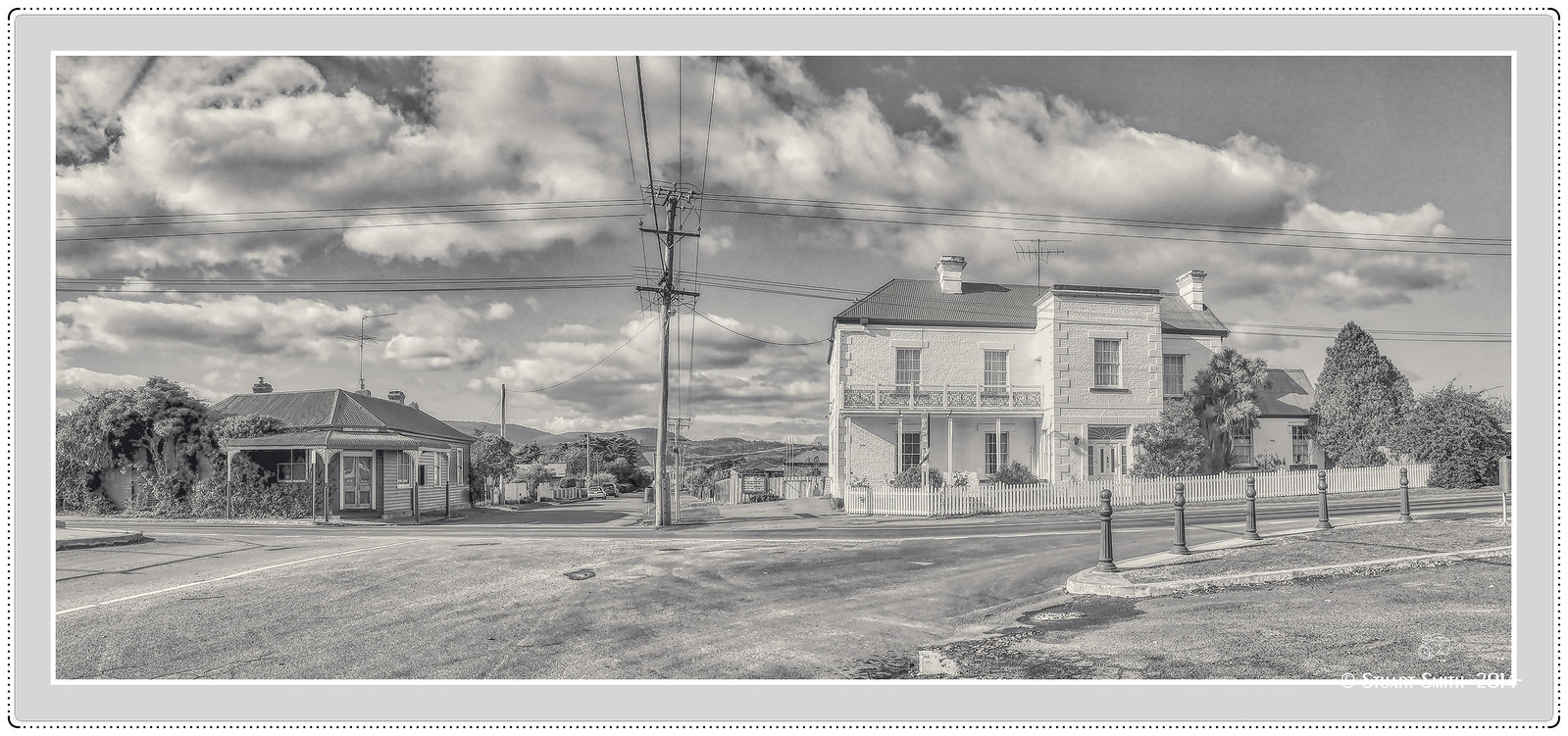
Gross rental yields in Tasmania are sitting around 4.5 to 5 percent in several key markets, outperforming comparable lifestyle destinations on the mainland at a time when Melbourne's auction clearance rates have hit their worst winter start on record. For property investors watching their spreadsheets, that gap matters.
The state's median dwelling price of approximately $560,000 remains well below Sydney and Melbourne benchmarks, which means entry costs are lower even as weekly rents have held firm across greater Hobart and the Launceston corridor. That combination, accessible purchase price, steady rental demand, is the core of the yield argument investors are making right now in mid-2026.
Where the Returns Are Strongest
Launceston is the headline act. Suburbs like Newnham and Riverside, within easy reach of the University of Tasmania's Inveresk campus, are recording gross yields that property managers in the city describe as consistently above the state average. Student and professional tenant pools keep vacancy rates low in the inner-north, and purchase prices in those suburbs remain well under the state median, sharpening the yield equation further.
In Hobart, the picture is more nuanced. Battery Point and Sandy Bay command the city's premium prices, properties on streets like Hampden Road regularly transact above $1.2 million, and at those levels gross yields compress toward 3 to 3.5 percent. Investors chasing income over capital gain are generally steering away from these postcodes and toward Moonah, Glenorchy and Claremont, where purchase prices are lower and rental demand from essential workers and families remains robust. The Brooker Highway corridor connecting those northern suburbs to the CBD is well-established and practical for tenants, which helps keep properties tenanted quickly.
Devonport and Burnie on the north-west coast represent a different calculation again. Prices in both cities sit noticeably below Hobart levels, and yields in some streets have been reported above 6 percent gross by local property management firms, though investors should note that capital growth in those markets has historically been more modest and liquidity at resale can take longer.
The Pressure Points Investors Should Know
Tasmania's rental legislation has tightened in recent years. The Residential Tenancy Act amendments that introduced stronger tenant protections, including stricter notice requirements for landlords seeking possession, changed the risk calculus for some investors, particularly those running short-stay accommodation through platforms like Airbnb. Hobart City Council has maintained scrutiny of short-stay registrations in heritage precincts including Sullivan's Cove and Salamanca Place, and the compliance environment for that sector has become more demanding since 2024.
Land tax is the other pressure point. Tasmania's State Revenue Office applies land tax above a threshold that catches many investment properties, and investors who acquired during the post-2020 price surge may find their assessments have risen substantially as valuations have been updated. That cost needs to be factored into any net yield calculation.
Property management fees in Hobart typically run between 8 and 10 percent of gross rent, with letting fees on top. On a Moonah rental returning $520 per week, a realistic figure for a three-bedroom house in mid-2026, that reduces the effective cash return meaningfully before maintenance, insurance and rates are counted.
For investors entering the Tasmanian market now, the practical priority is doing the net yield calculation, not just the gross. The gross numbers circulating in buyer conversations, often 5 percent and above, can look less compelling once the full cost stack is applied. Launceston's university precinct and Hobart's middle-ring suburbs still hold genuine appeal, but due diligence on individual property outgoings, vacancy history, and land tax obligations is essential before signing a contract. The state's fundamentals, population growth, lifestyle migration and a constrained housing supply, remain supportive. The maths just needs to be done properly.
This article is general information only and is not personal financial or investment advice. Consider your own circumstances and seek licensed professional advice before making financial decisions.