property
What Tasmanian Auction Clearance Rates Are Really Telling Buyers Right Now
Strong clearance figures across Hobart's inner suburbs suggest the market has found its floor, but the story is more complicated than the headline numbers.
How we reported this
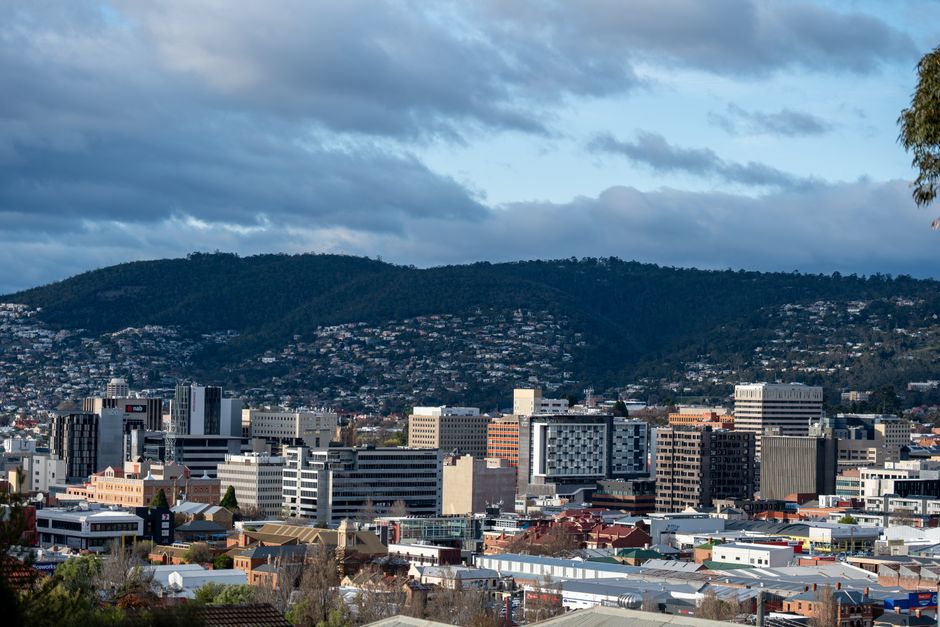
Auction clearance rates in Greater Hobart have climbed back above 60 percent through the June quarter, according to data tracked by Real Estate Institute of Tasmania, a figure that agents and analysts read as a meaningful signal that buyer confidence has stabilised after two years of interest-rate turbulence. The shift is subtle but it is real, and anyone planning to buy or sell before the end of 2026 should be paying close attention.
Clearance rates matter because they are one of the few genuinely live indicators in a property market. Unlike median price figures, which lag by weeks or months and can be skewed by the mix of stock, a clearance rate tells you what happened on the day, how many sellers and buyers reached agreement under competitive conditions. When that number sits above 60 percent consistently, it typically points to a market where sellers hold enough leverage to resist lowballing and buyers feel enough urgency to bid past reserve. Below 50 percent, the opposite dynamic takes hold. Tasmania spent much of late 2024 and early 2025 in that uncomfortable middle band, hovering around the 52-to-55 percent range.
Where the Action Is Concentrated
The recovery is not uniform across the state. Sandy Bay and Battery Point are doing the heavy lifting. Properties along Princes Street and the Salamanca precinct fringe are attracting multiple registered bidders at Saturday morning auctions, with several three-bedroom period homes clearing well above the state median of approximately $560,000. Launceston is a different, and arguably more interesting, story. The inner-north suburbs around Invermay and Newnham have seen a quiet but steady increase in auction volumes as buyers priced out of Hobart look north, and clearance rates in the Launceston metropolitan area are tracking closer to 58 percent, suggesting momentum without the overheating pressure visible in the capital.
The lifestyle migration dynamic that drove Tasmania's pandemic-era surge has not entirely unwound. Inquiry from mainland buyers, particularly from Melbourne and Sydney, remains a structural feature of the Tasmanian market, and that external demand underpins clearance figures in a way that purely local purchasing power would not. Properties near kunanyi / Mount Wellington walking trails and within cycling distance of the Hobart CBD continue to draw competitive fields even at price points that would have seemed optimistic eighteen months ago.
Reading the Data Carefully
A clearance rate above 60 percent is encouraging, but context is essential. The total volume of properties being taken to auction in Tasmania remains modest compared to Sydney or Melbourne, which means a handful of passed-in results in a single weekend can move the weekly figure significantly. REIT reports auction volumes for Greater Hobart in the low double digits on any given Saturday, so statistical noise is a real factor. Buyers should cross-reference clearance data with days-on-market figures, currently sitting at around 38 days for greater Hobart according to industry tracking, and vendor discount rates, which have narrowed from a peak of around 5.5 percent in mid-2025 back toward the 3 percent range.
The Reserve Bank of Australia's two rate cuts since February 2026 have done visible work here. Borrowing capacity has improved for owner-occupiers, and that extra headroom shows up in auction rooms as willingness to bid one more time. First-home buyers using the Tasmanian Government's HomeShare program have also been more active at the sub-$550,000 end of the market, adding competitive depth to a price bracket that was quiet for much of last year.
For sellers, the practical implication is that the window for achieving a strong result at auction without heavy discounting has reopened, but it is not wide. Stock levels are expected to lift through August and September as the new financial year prompts estate-related listings and upsizers to move. More supply at that point could ease the pressure that is currently supporting clearance rates. For buyers, the message is less comfortable: the floor appears to have been found, and waiting for further price falls in Sandy Bay or Battery Point specifically looks like an increasingly expensive strategy. Get pre-approval confirmed, attend a few auctions in Launceston or Glenorchy to calibrate your nerve, and be ready to act when the right property comes up.
This article is general information only and is not personal financial or investment advice. Consider your own circumstances and seek licensed professional advice before making financial decisions.