property
Tasmania's Planning Overhaul Reshapes Property Markets Across State
New zoning rules and infrastructure decisions are already influencing where buyers look, what developers build, and how much land is worth across the state.
How we reported this
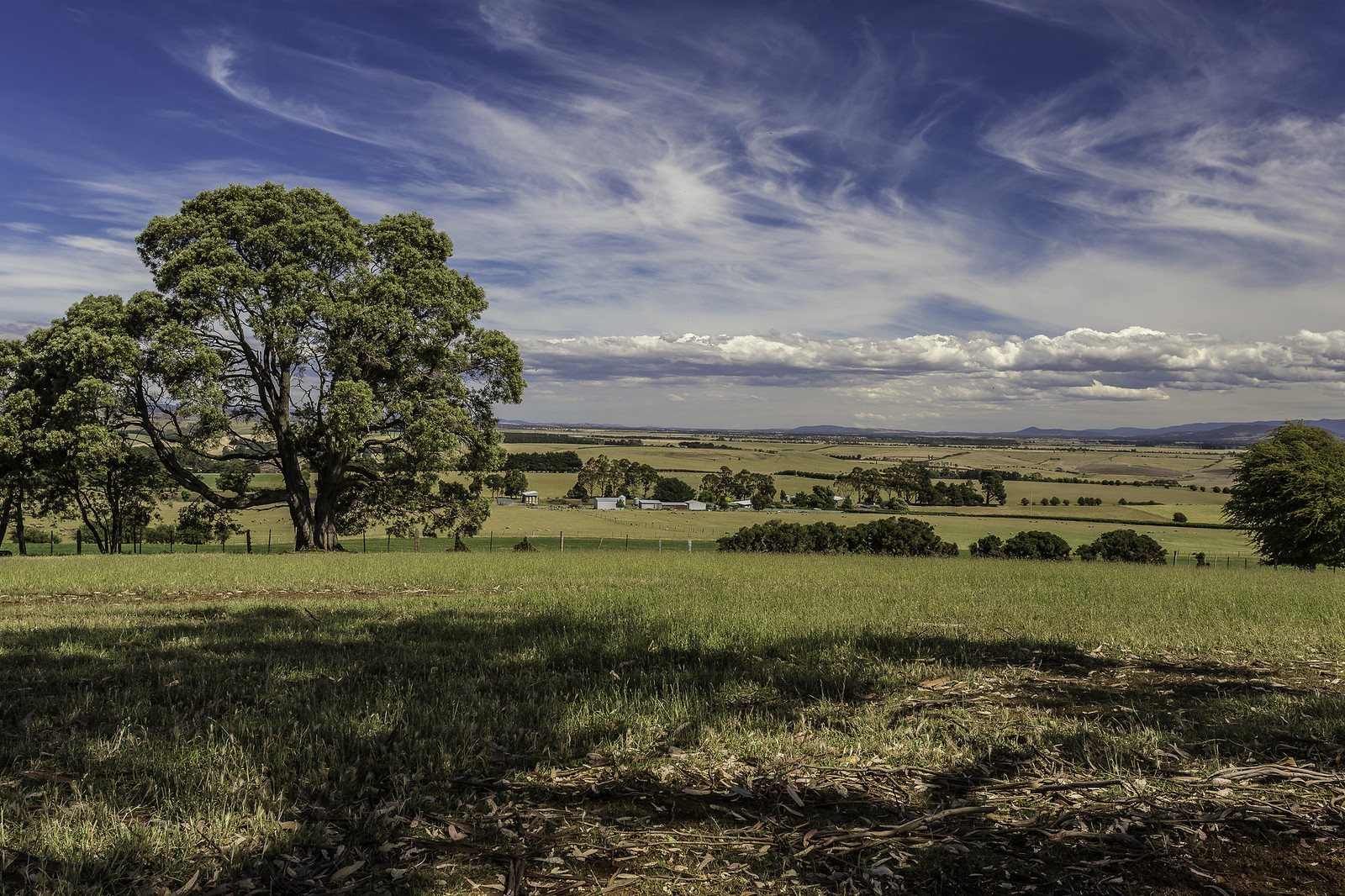
Tasmania's property market is entering a new phase, and planning policy is driving it. The state government's push to streamline residential zoning approvals, particularly for medium-density housing in established suburbs, is beginning to filter through to sales activity, land values, and buyer strategy in ways that weren't visible six months ago.
The timing matters. With Tasmania's median dwelling price sitting around $560,000 and lifestyle migration from mainland capitals continuing at pace, the pressure on housing supply hasn't eased. Rate cuts earlier in 2026 brought buyers back to open homes, but the fundamental constraint remains land that can actually be built on, in suburbs people actually want to live in. That's where planning decisions become the decisive variable.
Hobart's Inner Suburbs in the Crosshairs
The most immediate market impact is playing out in Hobart's middle ring. Suburbs like Moonah, Glenorchy, and Lutana, traditionally viewed as working-class alternatives to Sandy Bay and Battery Point, are attracting developer attention that would have been unimaginable five years ago. The reason is straightforward: rezoning proposals under the Tasmanian Planning Scheme have opened the door to three- and four-storey residential development on blocks that were previously capped at two storeys.
Agents working the Derwent Valley corridor report that landowners sitting on 600-square-metre lots in Moonah are fielding unsolicited approaches from small developers. Land that changed hands for $280,000 in 2022 is now being quietly tested at $420,000 or more in off-market conversations, according to property professionals active in the area. Formal listings haven't caught up yet, but valuers say the shift is real.
Battery Point and Sandy Bay remain the state's premium addresses, with prestige properties regularly clearing $1.5 million, but the planning story there is different, heritage overlays constrain most new development, which is precisely why buyers pay the premium. The action is further out.
Launceston is its own story. The Tamar Valley city has positioned itself as the affordable alternative for lifestyle migrants priced out of Hobart, and the Launceston City Council's work on its local provisions schedule, the layer of planning rules that sits beneath the statewide scheme, has been watched closely by investors. Suburbs like Invermay and Mowbray have density provisions that, if amended as proposed, would allow townhouse development on sites currently zoned for single dwellings only.
Infrastructure Decisions Are Doing the Quiet Work
Beyond zoning, infrastructure announcements are recalibrating where the market looks next. The state government's commitment to upgrades along the East Derwent Highway has sharpened interest in Rokeby and Clarendon Vale on Hobart's eastern shore, suburbs that have historically traded at a significant discount to the western shore but are now being reassessed for their proximity to the Hobart CBD once traffic bottlenecks ease.
Rokeby, where median house prices have lagged well behind the state figure, recorded a cluster of sales in the March 2026 quarter that agents attribute partly to speculative buying ahead of the infrastructure works. Whether the highway timeline holds is a separate question, but the buyer behaviour is already observable in transaction volumes.
The Tasmanian Planning Commission also has several significant rezoning applications before it relating to land at Huntingfield and Olivers Road in Kingston, a growth corridor south of Hobart that has been earmarked for residential expansion for years. A determination on those applications, expected before the end of the third quarter of 2026, will directly affect the supply pipeline for Hobart's south and could put downward pressure on land prices in an area where blocks have been trading above $350,000.
For buyers and investors, the practical read is this: follow the planning notices, not just the sales results. In Tasmania's current market, a rezoning decision or an infrastructure budget line can move land values faster than interest rates. The Tasmanian Planning Commission publishes its active applications online, and local councils post their amendments to their planning schemes as a matter of public record. Anyone serious about buying in the next 12 months should be reading those documents before they read the listing portals.
This article is general information only and is not personal financial or investment advice. Consider your own circumstances and seek licensed professional advice before making financial decisions.