property
The Tasmanian Suburbs Where Buying a Home Is Now Cheaper Than Renting One
With rents biting hard across Hobart and Launceston, a growing number of suburbs have crossed a threshold where mortgage repayments on a median-priced property actually undercut what tenants are paying each week.
How we reported this
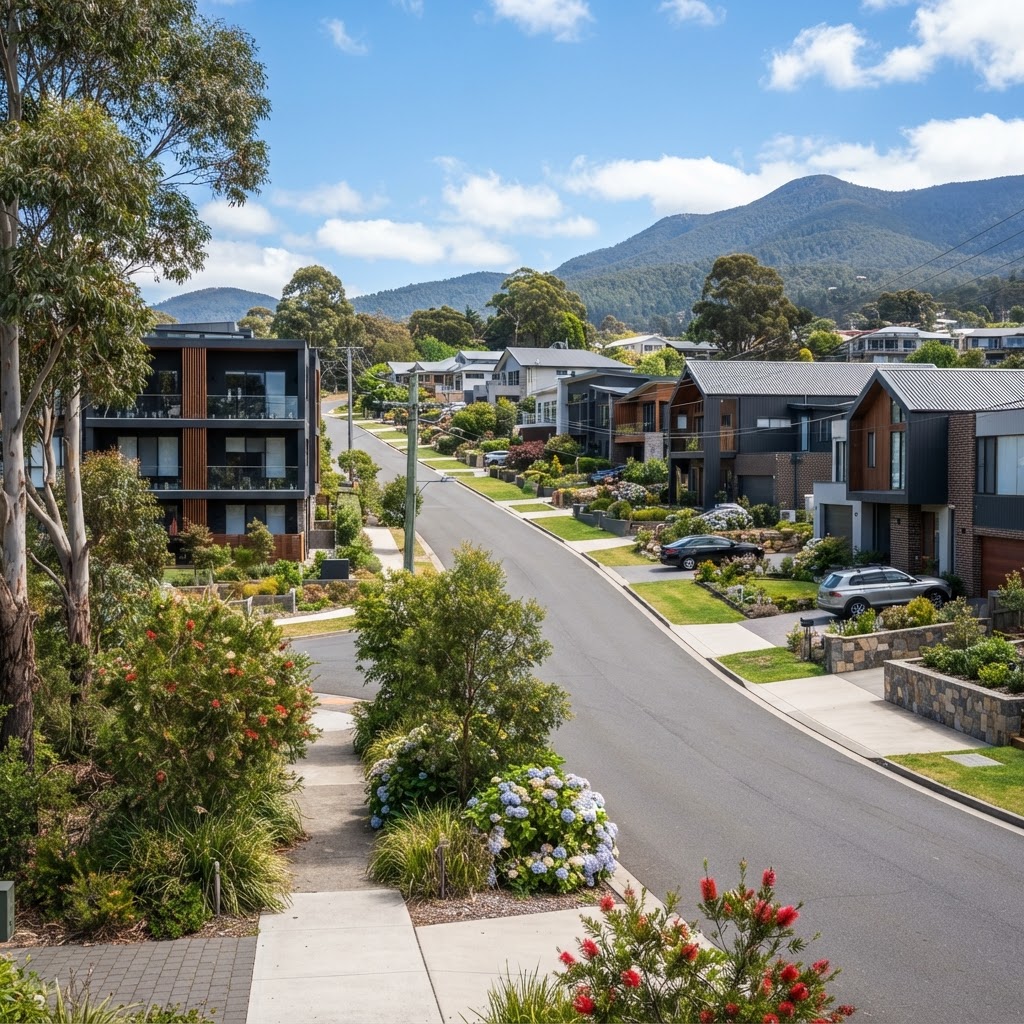
The maths has quietly flipped. In at least a handful of Tasmanian suburbs, a buyer who secures a mortgage at current rates will spend less each month servicing their loan than a renter in the same street pays their landlord. It is not a universal story, Sandy Bay and Battery Point remain firmly out of reach for most, but in specific pockets of greater Hobart and regional centres like Launceston, the rent-versus-buy equation is shifting in ways that matter for anyone still sitting on the rental side of the ledger.
Why now? Tasmania's rental market has tightened relentlessly since the pandemic-era lifestyle migration wave pushed vacancy rates to historic lows. As of mid-2026, the statewide median weekly rent for a house sits around $490, according to rental data tracked by the Real Estate Institute of Tasmania, a figure that translates to roughly $25,500 a year before any bond, utility or moving cost. Meanwhile, two consecutive years of softer auction clearances across greater Hobart have steadied, and in some cases nudged down, entry-level purchase prices in outer and middle-ring suburbs. With Tasmania's overall median sitting near $560,000, the suburbs relevant to this analysis are the ones priced well below that mark.
Where the Numbers Work
Rokeby, on Hobart's eastern shore, is one of the clearest examples. Median house prices in the suburb have hovered around $430,000 to $450,000 through the first half of 2026, according to property listing aggregators. At a principal-and-interest rate of roughly 6.1 per cent over 30 years with a 10 per cent deposit, monthly repayments land in the vicinity of $2,400, or about $555 a week. That is uncomfortably close to, and in some cases below, the weekly asking rent for a comparable three-bedroom house in the same suburb. Buyers still need to factor in stamp duty, council rates and maintenance, but the raw repayment gap that once made renting the obvious short-term choice has narrowed to the point where it barely exists.
Further north, Launceston's western and northern fringes, suburbs like Ravenswood and Newnham, show a similar pattern. Properties in those corridors have been changing hands in the $350,000 to $400,000 range, while weekly rents for three-bedroom homes regularly advertise at $420 to $450. The Launceston market has attracted sustained attention from first-home buyers priced out of Hobart, and the Tasmanian HomeShare program, administered through Housing Tasmania, remains one of the few government-backed pathways that can shave enough off an upfront deposit to make purchase viable in these price brackets.
What Renters Should Actually Do With This Information
The comparison only holds if a buyer can clear the deposit and borrowing hurdles, still the central obstacle for most Tasmanians under 35. A 10 per cent deposit on a $440,000 property in Rokeby means finding $44,000 in cash before costs, a sum that remains out of reach for many renting households paying above $450 a week and struggling to accumulate savings. That is the paradox: the suburbs where buying beats renting are also the suburbs where renters are most financially stretched.
Financial counsellors at services including the Hobart Community Legal Service have noted increased enquiries from tenants exploring whether purchasing is viable, particularly as fixed-term leases expire and landlords reset rents to market rates. The First Home Owner Grant of $10,000, available to eligible Tasmanian buyers of newly constructed homes, provides some buffer but does not apply to established stock, which is what most of the affordable outer-suburb market comprises.
The practical step for anyone in this position is to run the suburb-specific numbers, not state-level averages. Request a borrowing capacity assessment from a mortgage broker, pull recent comparable rental listings from the same postcode, and build in a 12-month buffer for rate movement. The window where repayments undercut rents may not stay open indefinitely, particularly if Tasmania's rental vacancy rate begins to ease, but right now, in Rokeby and Ravenswood and a few quiet streets in between, the ledger is closer than most renters realise.
This article is general information only and is not personal financial or investment advice. Consider your own circumstances and seek licensed professional advice before making financial decisions.