property
Tasmania’s Property Puzzle: The Forces Driving Prices and What Buyers Need to Know Now
A cooling mainland market hasn't fully doused local price pressures, with persistent lifestyle demand and a chronic lack of supply creating a complex picture for aspiring homeowners this winter.
How we reported this
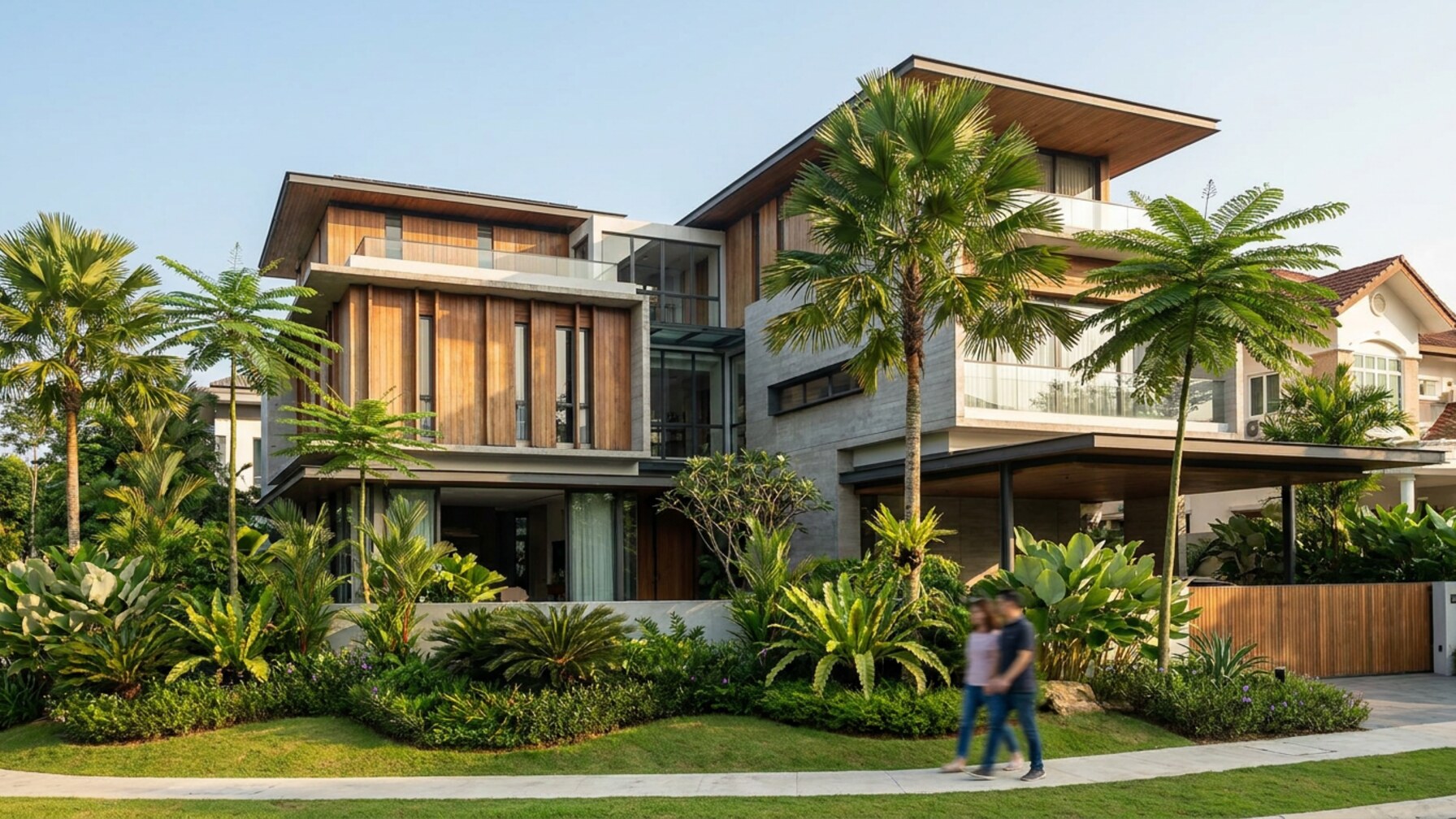
Hobart’s property market is charting its own course, defying the sharp winter downturn gripping mainland capitals. While auction clearance rates in Melbourne have hit record lows, prices across much of Tasmania are holding firm, driven by a new mix of economic pressures and demographic shifts that have replaced the frenzied boom of 2021.
This resilience poses a critical question for thousands of Tasmanians trying to get into the market and those watching their equity. The era of panic buying, fueled by cashed-up mainlanders fleeing lockdowns, is over. In its place is a more complex market shaped by stubborn inflation, high interest rates, and a fundamental undersupply of homes. Understanding these cross-currents is now the key to navigating a purchase or sale in mid-2026.
The Two-Speed Market
The story is not the same everywhere. Premium suburbs like Battery Point and Sandy Bay in Hobart continue to command prices that lock out most locals, operating in a micro-climate of their own. But the real pressure is building in the middle and outer rings. In Launceston, the continued expansion of the University of Tasmania’s Inveresk campus and the city’s growing reputation for food and wine are drawing in professionals and keeping demand solid. On the eastern shore of the Derwent, suburbs like Sorell are grappling with the dual reality of being a key growth corridor and a traffic bottleneck, a tension that directly impacts liveability and property values.
Beneath the surface of a stable median price-which has hovered in the mid-$500,000s statewide for much of the past year-is a significant divergence. Well-presented, family-sized homes in desirable school zones are still seeing competition. However, apartments in large complexes and properties requiring significant renovation are lingering on the market longer. Agents report that buyers have become far more cautious and price-sensitive than they were 24 months ago, unwilling to gamble on a property that needs extensive work in an era of high building costs.
Supply, Not Speculation, is the New Driver
The fundamental issue propping up values is a critical lack of housing stock. The Tasmanian Government’s stated goal of facilitating 10,000 new homes by 2032 is a long-term ambition that does little to solve the immediate shortage. For every new subdivision that opens up in areas like Kingston or Legana, the demand from local families, downsizing retirees, and a steady trickle of mainland migrants quickly absorbs the new supply.
This scarcity is reflected in rental markets, which remain incredibly tight. Gross rental yields in middle-ring suburbs like Glenorchy and Moonah are hovering around 4.5%, a figure that continues to attract investors even with higher mortgage rates. The state’s generous $30,000 First Home Owner Grant for new builds provides a significant incentive, but it also channels demand towards a limited pipeline of new construction, further tightening the market for established homes.
For buyers entering the market this winter, the advice from property professionals is consistent: be prepared. That means having mortgage pre-approval locked in and being ready to act decisively when the right property appears. It also means being realistic. The dream of a turnkey home in a prime location is out of reach for many. Buyers are instead finding success by making compromises-looking one suburb further out, considering a townhouse instead of a freestanding house, or factoring in the cost of a cosmetic renovation. The market is no longer rocketing upwards, but for those waiting for a major price correction, the wait is likely to be a long one.
This article is general information only and is not personal financial or investment advice. Consider your own circumstances and seek licensed professional advice before making financial decisions.