property
Tasmania's 2026 Market: How Does It Stack Up Against the 2021 Frenzy?
Five years on from the state's most turbulent property cycle, prices have stabilised near record highs, but the conditions driving the market look nothing like the pandemic gold rush.
How we reported this
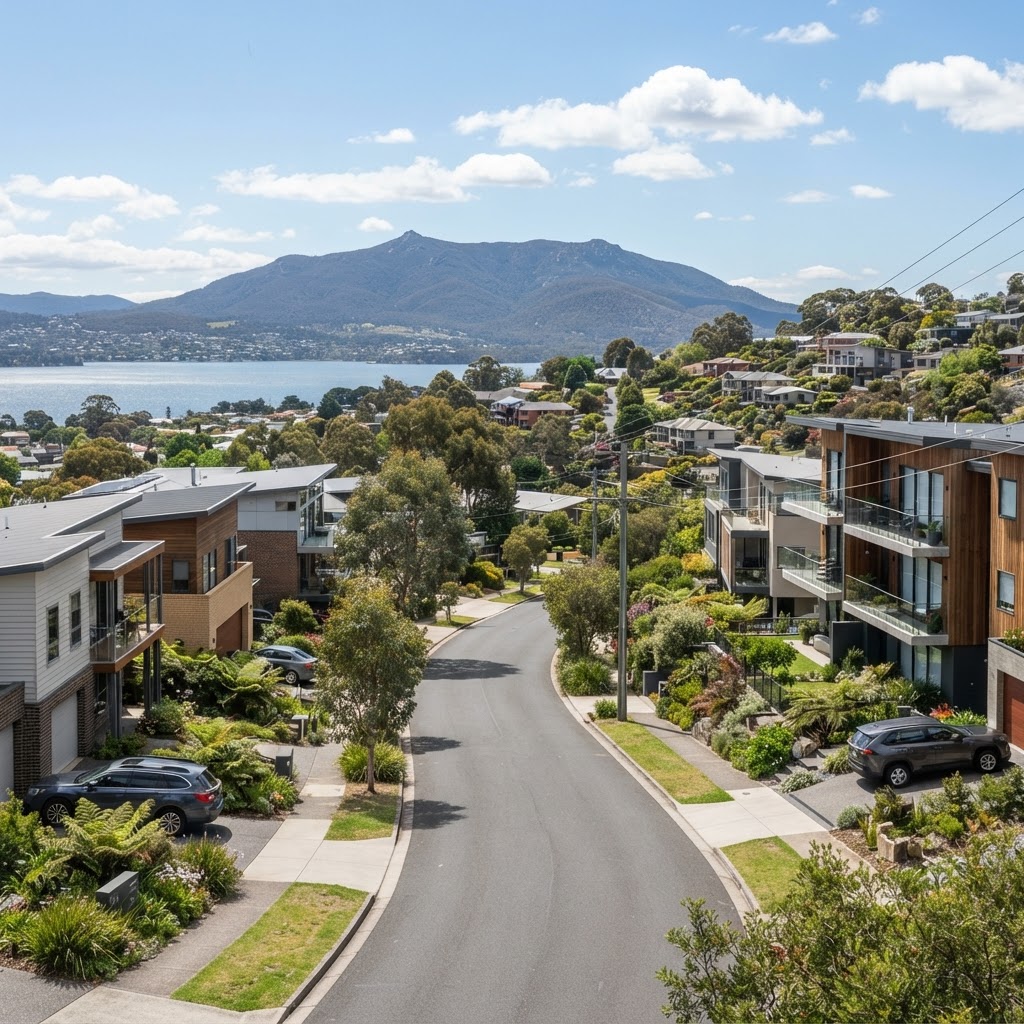
Tasmania's median house price is holding at roughly $560,000, and that number alone tells an incomplete story. The real question agents, buyers and economists are wrestling with this winter is whether the steady conditions of mid-2026 represent a genuine new floor for the market, or the quiet before another surge that echoes the extraordinary run the state experienced between late 2020 and early 2022.
The comparison matters because the 2021 boom was unlike anything most Tasmanian agents had seen in their careers. Mainland buyers, freed from offices and suddenly able to work from anywhere, descended on Hobart's inner suburbs and the Tamar Valley with pre-approvals in hand and a willingness to waive conditions. Properties in Battery Point and South Hobart were selling within days of listing. The frenzy pushed the state's median price up by more than 20 percent in the space of roughly 18 months, according to figures published at the time by CoreLogic.
Then and Now: What the Numbers Actually Show
The 2021 cycle was powered by cheap debt. The Reserve Bank of Australia held the cash rate at a historic low of 0.1 percent through most of that period, and fixed-rate mortgages were available at under 2 percent. That liquidity has since been wrung out of the system. The RBA's rate tightening cycle, which began in May 2022, fundamentally changed the calculus for buyers, and Tasmania was not immune. Prices pulled back through 2023 before finding their footing again in 2024 and 2025.
What the current market shares with 2021 is the supply problem. Stock levels across greater Hobart remain tight. In suburbs like Sandy Bay and West Hobart, the number of properties available on any given weekend is a fraction of what a balanced market would require. New listings hitting platforms such as realestate.com.au and Domain in the first half of 2026 have been absorbed quickly, particularly at the sub-$700,000 price point where first-home buyers compete directly with downsizers.
Launceston is the more interesting story this cycle. During the 2021 boom, the city's northern suburbs, areas like Newstead and Norwood, benefited from overflow buyer interest when Hobart became unaffordable. That pattern is visible again in 2026, but with more substance behind it. The University of Tasmania's expanded Inveresk precinct and infrastructure investment along the Tamar waterfront have given Launceston a stronger independent demand base. The city's median is tracking noticeably below Hobart's, making it the entry point of choice for buyers priced out of the south.
What Separates This Cycle From the Last One
The critical difference in 2026 is the buyer profile. The pure lifestyle migrant of 2021, the Melbourne or Sydney professional buying sight-unseen on a Zoom call, has been replaced by a more considered purchaser. Many are returning Tasmanians, or interstate buyers who have already spent time in the state and are making a deliberate long-term commitment rather than a pandemic impulse decision. Property managers across the state have noted rental vacancy rates remain very low, which continues to underpin investor interest alongside owner-occupier demand.
The Tasmanian Government's HomeShare shared equity scheme and the federal Help to Buy program, which became operational in 2025, have added a modest but real layer of first-home buyer activity into the market. Neither program existed during the 2021 run. Their effect is most visible in outer Hobart growth corridors like Rokeby and Bridgewater, where land and house packages are competing for the same buyer cohort that shared equity is designed to assist.
For buyers entering the market now, the practical reality is this: the panic of 2021 is gone, but the opportunity to secure a property without competition is also largely gone. Pre-auction offers are being knocked back more often than accepted. Vendors have recalibrated their expectations upward after watching neighbours' results through 2025. Anyone expecting to negotiate hard below asking price in Sandy Bay, Battery Point or central Launceston is likely to be disappointed. The market is not hot, but it is firm, and sellers know the difference.
This article is general information only and is not personal financial or investment advice. Consider your own circumstances and seek licensed professional advice before making financial decisions.