property
Tasmania's Auction Calendar Has a Seasonal Heartbeat, and Winter Is the Quiet Bit
History shows spring floods the auction rooms while July and August stay lean, and this year's subdued winter volumes are playing out exactly to script.
How we reported this
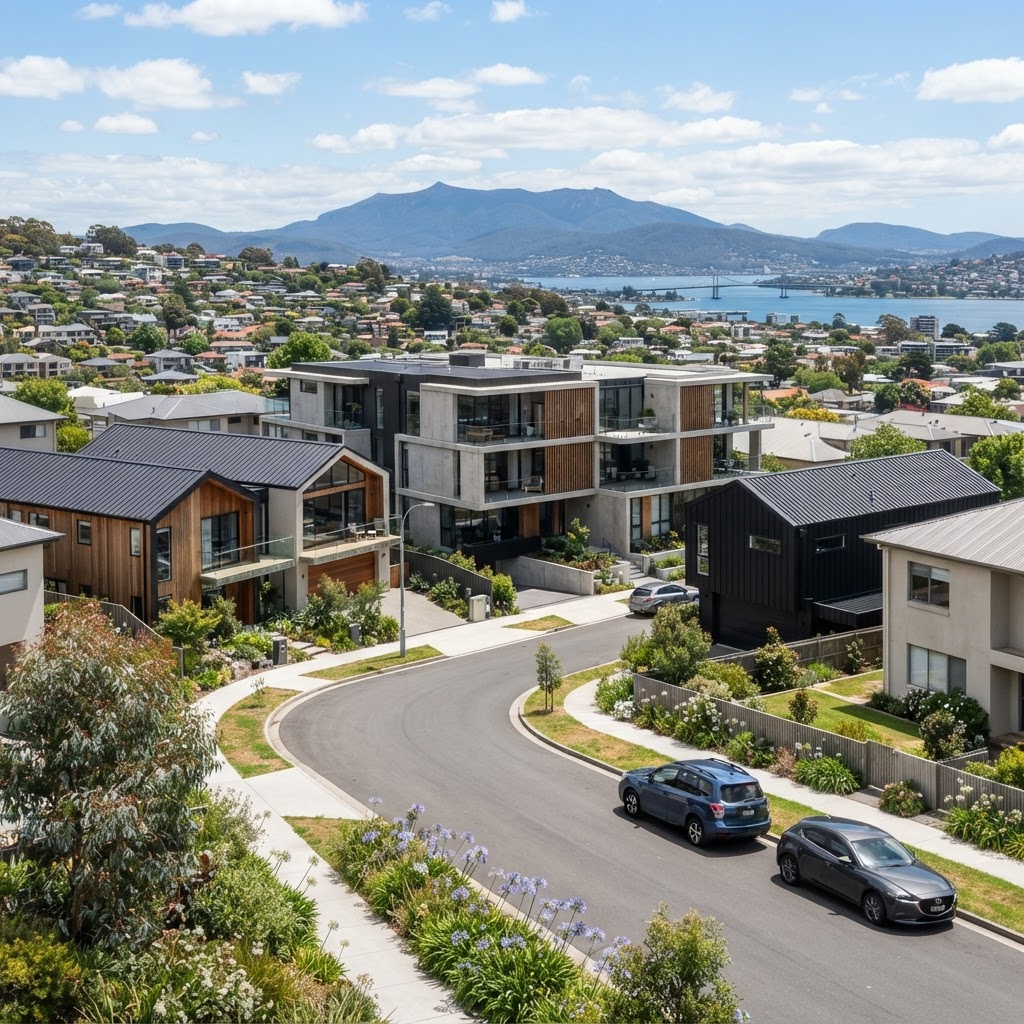
Winter has arrived in Hobart, and so has the annual auction slowdown. Clearance rates across Tasmania typically dip through July and August before rebounding sharply once the September long weekend passes, a pattern that has repeated reliably enough to shape how agents time their campaigns and how buyers decide when to wait.
That context matters right now. Melbourne's auction market just recorded its worst winter start on record, according to reporting published this week, and the chill is being felt in smaller capitals too. Tasmania is not immune, but it enters this slow patch from a different position, a state median sitting around $560,000 and a lifestyle migration story that has kept demand stickier here than in many comparable regional markets.
Why Winter Cuts Volume, Not Just Confidence
The mechanics are straightforward. School-year pressures, cold open-home turnout, and the psychological drag of short days all push discretionary sellers toward spring. In Hobart, the effect is sharpest in the premium suburbs. Battery Point and Sandy Bay, which together account for a disproportionate share of properties selling above $900,000, see their auction schedules thin noticeably between June and mid-August. Agents operating along Hampden Road and Maning Avenue in those suburbs routinely report that vendors with flexibility simply defer listing until October.
Launceston tells a slightly different story. The city's emerging status as an affordable alternative to Hobart, with a median meaningfully below the state figure, draws a steadier stream of first-home buyers and interstate relocators who are less calendar-sensitive. Auctions under the hammer in suburbs like Newstead and Newnham carry on through winter at a more consistent clip, partly because buyers at that price point tend to be driven by financial readiness rather than seasonal preference.
Real Estate Institute of Tasmania data has historically shown spring auction volumes running roughly 40 to 50 per cent higher than the equivalent winter quarter. That figure is a general industry reference point, precise annual breakdowns vary, but the directional trend is consistent enough that it shapes how agencies staff their auction teams. Peterswald for Property and Harcourts, two of the more active auction houses on the Hobart market, both tend to concentrate their marquee auction events in October and November, when foot traffic at opens and competitive bidding depth is at its annual peak.
What the Pattern Means for Buyers and Sellers Right Now
For buyers, July is historically one of the better months to negotiate. Fewer competing bidders at any given auction and a vendor cohort that tends to be more motivated, having chosen to list despite the seasonal headwind, can translate into sharper pricing. The Elizabeth Street and North Hobart corridors, which attract a mix of investors and owner-occupiers, have in past winters thrown up results that looked conservative against the spring comps that followed just two months later.
Sellers, on the other hand, face a genuine strategic choice. Listing now captures less competition from other vendors and, in theory, more serious buyers. Listing in October means a larger audience but also more stock to compete against. In Sandy Bay, where a renovated circa-1920s cottage can still clear $1.2 million on a good day, timing that campaign to hit the spring wave has historically been the instinct of most prestige agents.
The broader signal from interstate, particularly Melbourne's record-poor winter clearance figures, is a reminder that the seasonal dip is structural, not a product of any single economic moment. Tasmanians watching their mainland counterparts will note that lower volumes do not necessarily mean lower prices; they mean fewer transactions, which can distort results in either direction.
The practical advice for anyone deciding in the next four to six weeks: watch the first October auctions closely. The jump from September into spring is the single most reliable inflection point in the Tasmanian auction calendar, and those early spring results will set the tone for the rest of 2026.
This article is general information only and is not personal financial or investment advice. Consider your own circumstances and seek licensed professional advice before making financial decisions.