property
Going, Going… Gone Before the Gavel: Why Tasmania's Vendors Are Taking Early Offers
A growing share of Hobart and Launceston homes are selling before auction day, and the reasons say more about buyer psychology than vendor nerves.
How we reported this
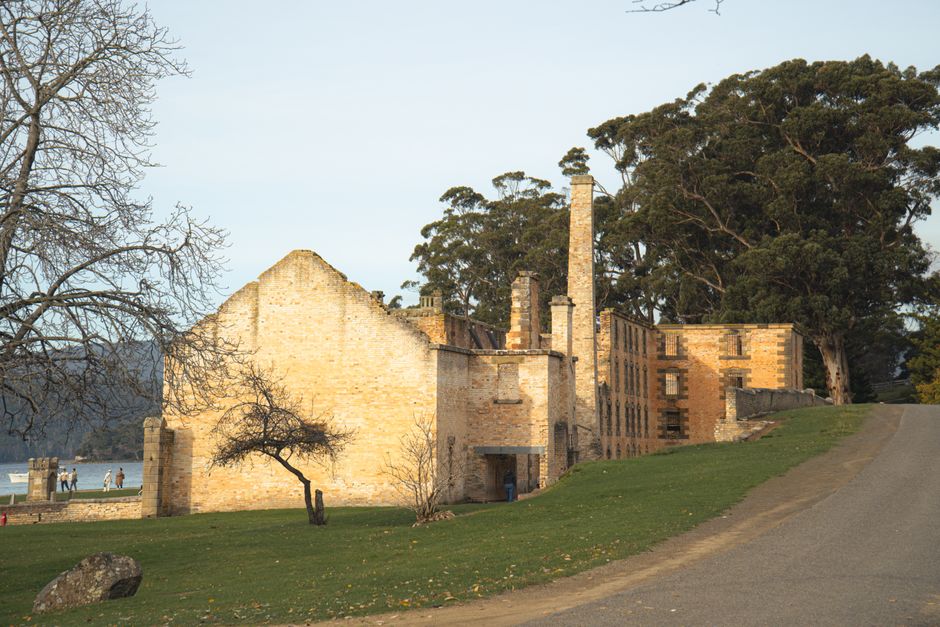
More Tasmanian properties are being sold before their scheduled auction date than at any point in the past three years, with agents across Greater Hobart and Launceston reporting a surge in pre-auction agreements during the June quarter. The shift is reshaping how buyers approach listings, and forcing vendors to weigh the certainty of a firm offer against the possibility of a bidding war that may never materialise.
This matters because the Tasmanian market sits at a delicate point. The state median house price is tracking around $560,000, according to recent industry data, but performance is wildly uneven. Sandy Bay and Battery Point continue to command premiums that push well past the $900,000 mark on family homes, while suburbs like Moonah and Glenorchy offer entry points still within reach of first-home buyers. When a property sells before auction in that kind of split market, the decision usually comes down to one specific calculation: is the bird in hand worth more than the flock that might show up on a Saturday morning?
Certainty Over the Gamble
Agents at several Hobart agencies have noted a pattern in recent months: buyers who have already missed out at auction elsewhere, sometimes two or three times, are arriving at new listings with finance pre-approved and offers ready to lodge within days of the first open home. For vendors, particularly those with a purchase already under contract or a settlement deadline looming, that kind of clean, unconditional offer is hard to refuse.
A property on Macquarie Street in South Hobart that went to market in late May with an auction scheduled for mid-June sold in the first week of its campaign. The guide had been set around $720,000, and the pre-auction sale reportedly settled above that figure. In Launceston, a renovated Victorian on Margaret Street in the city fringe, listed through a local agency with a July auction date, changed hands in under ten days. Neither vendor chose to disclose terms publicly, but the pattern is consistent with what agents describe as a buyer cohort that has learned patience costs money in this market.
Real Estate Institute of Tasmania data for the June 2026 quarter showed the Hobart metropolitan clearance rate for properties that proceeded to auction sitting at around 68 percent, solid, but not exceptional. The pre-auction sale figure is harder to capture in official statistics, because those transactions don't formally register as auction outcomes. That gap in the data is itself part of the story: the official clearance rate almost certainly understates genuine market strength when a meaningful share of campaign stock never reaches the auction room.
What Agents Are Telling Vendors Now
The advice circulating through offices at agencies including Harcourts Hobart and Knight Frank Launceston, based on publicly available market commentary rather than attributed statements, reflects a consistent theme: a pre-auction offer should only be accepted if it clears the vendor's reserve price with enough margin to account for what competitive bidding might have produced. Campaigns that attract three or more pre-auction inquiries with finance approval are generally worth running to the room. Those that attract one serious buyer early may not be.
Sandy Bay remains the postcode where vendors are most reluctant to sell early, given the depth of competition for properties near the Esplanade and within the Ogilvie High School catchment. Battery Point, with its limited stock, functions similarly, sellers there tend to hold firm on auction dates because scarcity does the work. The calculus is different in areas like Riverside on Launceston's western fringe or in Hobart's northern corridor through Derwent Park, where buyer pools are thinner and a concrete offer at guide carries real weight.
For buyers weighing whether to make a pre-auction move, the practical reality is straightforward. Have finance unconditional, know your ceiling, and pitch the offer at a level that removes the vendor's reason to wait. For vendors, the question is equally blunt: how confident are you that a second buyer is coming? In July 2026, with winter stock levels tight and interstate migration still feeding demand, that confidence is often justified, but it isn't guaranteed.
This article is general information only and is not personal financial or investment advice. Consider your own circumstances and seek licensed professional advice before making financial decisions.