property
New Development Projects and What They Mean for the Area
Tasmania's property market is set to see significant changes with new developments underway in Hobart and Launceston
How we reported this
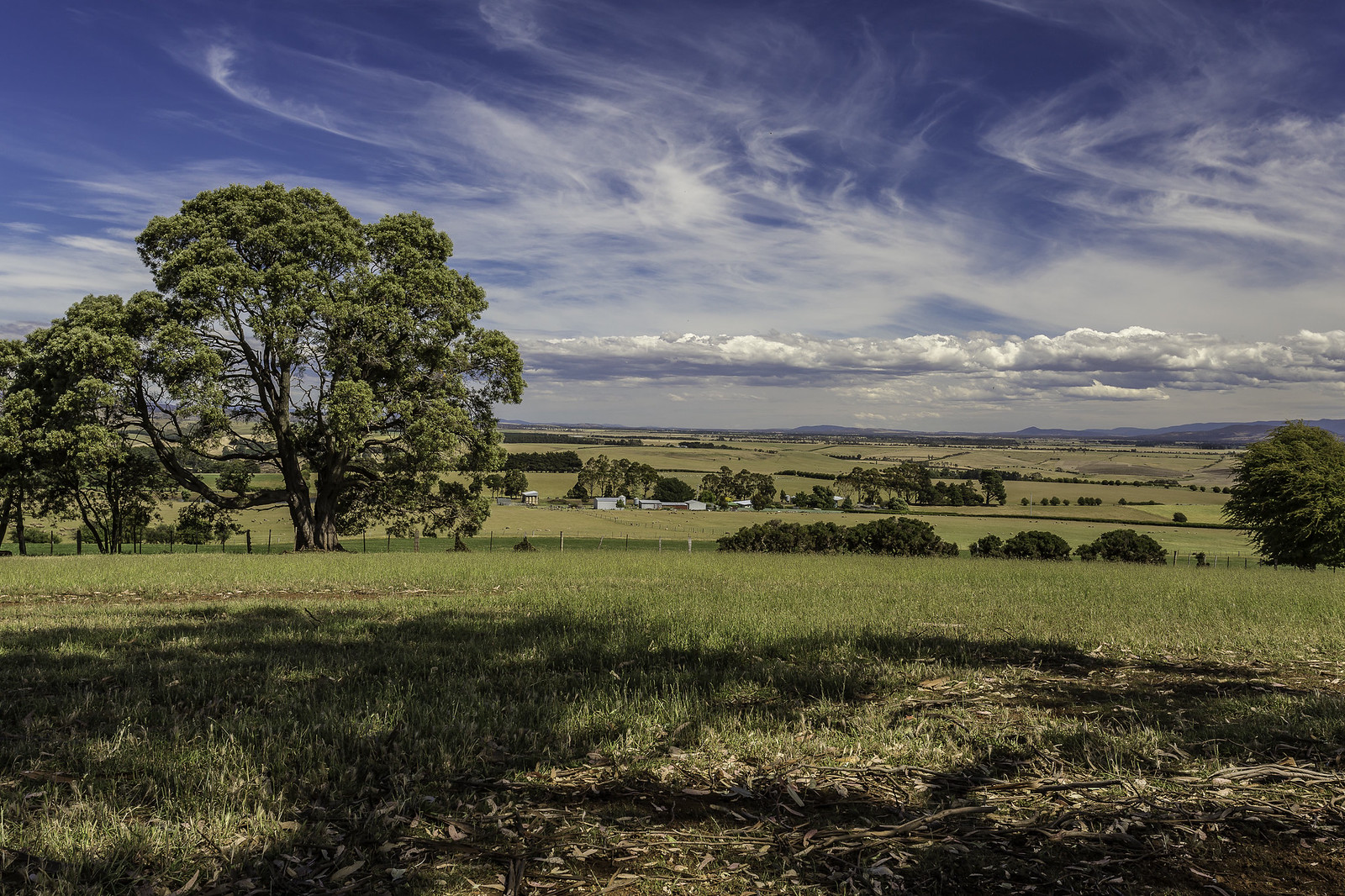
A total of 15 new development projects have been approved in Tasmania over the past quarter, with a focus on mixed-use developments and high-density housing in areas such as Sandy Bay and Launceston's CBD.
These new developments come at a time when Tasmania's property market is experiencing a surge in demand, driven by lifestyle migration and a growing population. The state's median house price has risen to around $560,000, with areas like Battery Point and Sandy Bay commanding premiums due to their proximity to amenities and services. As the market continues to evolve, these new developments will play a crucial role in shaping the future of Tasmania's urban landscape.
In Hobart, the University of Tasmania's $400 million redevelopment of its Sandy Bay campus is underway, with plans for new student accommodation, research facilities, and commercial spaces. Meanwhile, in Launceston, the Launceston City Council has approved plans for a $20 million redevelopment of the historic Inveresk precinct, which will include new residential units, retail spaces, and community facilities. Other notable developments include the $100 million redevelopment of the Macquarie Point site in Hobart's CBD, which will feature a mix of residential, commercial, and cultural spaces, and the $50 million expansion of the Launceston General Hospital.
New Developments and Market Trends
According to data from the Real Estate Institute of Tasmania, the state's property market has seen a significant increase in sales activity over the past year, with a total of 7,300 properties sold in the 12 months to June 2026. The median house price in Hobart has risen by 8% over the same period, to $620,000, while in Launceston, the median house price has increased by 5% to $430,000. As these new developments come online, they are likely to put upward pressure on prices in areas such as Salamanca Place and the Launceston waterfront.
For buyers and investors, these new developments present a range of opportunities, from purchasing off-the-plan apartments in developments like the $120 million Parliament Square project in Hobart, to investing in commercial properties in areas like Liverpool Street in Hobart's CBD. However, with prices rising and demand high, it's essential for buyers to do their research and seek professional advice before making a purchase. As the Tasmanian property market continues to evolve, one thing is clear: these new development projects will have a lasting impact on the state's urban landscape and property market for years to come.
This article is general information only and is not personal financial or investment advice. Consider your own circumstances and seek licensed professional advice before making financial decisions.