property
Zero breathing room: Tasmania's rental vacancy crisis is squeezing renters from Hobart to Launceston
With vacancy rates scraping historic lows and median weekly rents outpacing wage growth, the choice between renting and buying in Tasmania has rarely been more fraught.
How we reported this
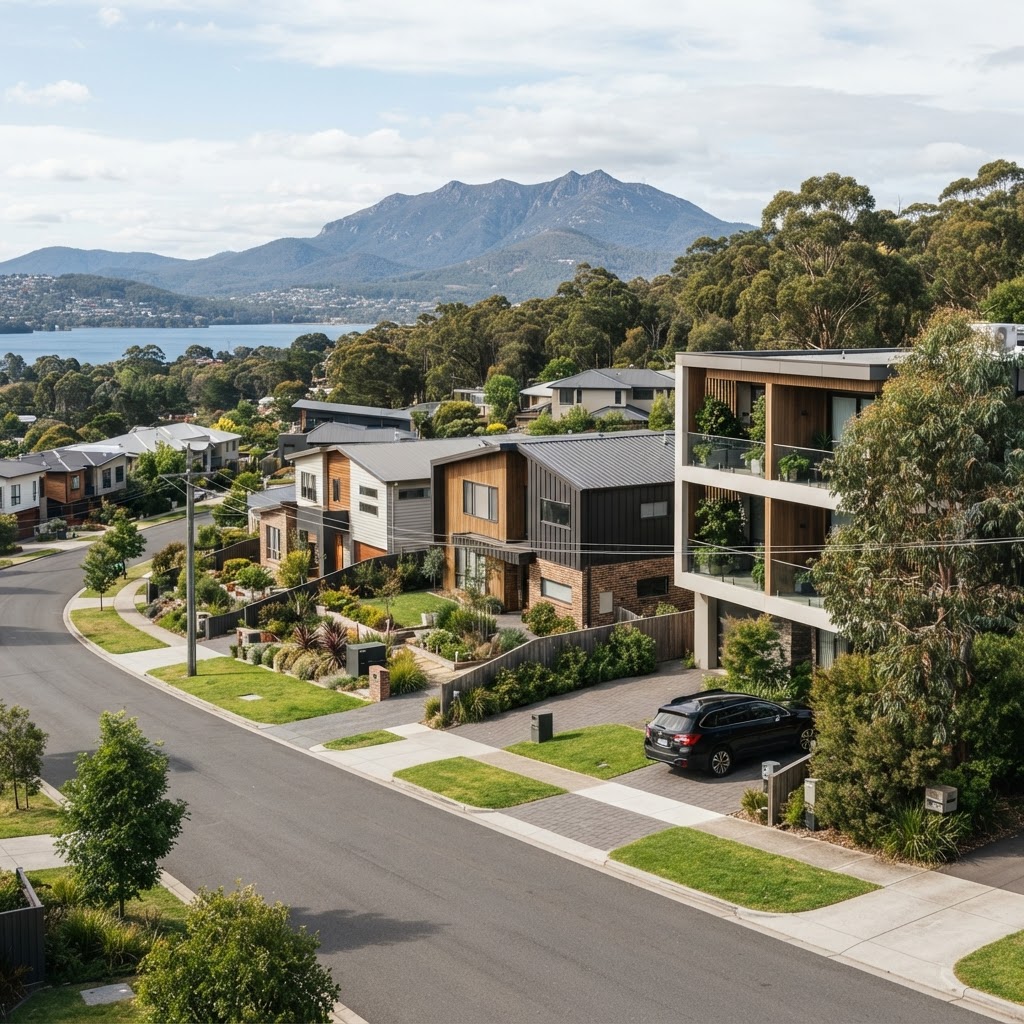
Tasmania's rental vacancy rate has collapsed to around 0.6 per cent statewide, a figure that property analysts describe as functionally zero, leaving thousands of households stuck in a market where the average advertised rental in Greater Hobart now sits at $580 per week for a three-bedroom home. That is up roughly 11 per cent from the same period in 2024, according to figures tracked by SQM Research through to June 2026.
The timing matters. The Albanese government's tax reform package, still reverberating through mainland markets, has pushed a fresh wave of interstate investors and lifestyle migrants toward Tasmania, where the entry price looks comparatively attractive at a statewide median of around $560,000. That influx is compressing the rental pool just as local incomes, median weekly earnings in Hobart sit near $1,340 according to ABS data, struggle to keep pace with asking rents.
The streets where competition is fiercest
In Sandy Bay, a three-bedroom post-war brick cottage within walking distance of the University of Tasmania's private provider precinct on Churchill Avenue routinely draws 30 to 40 applications within 72 hours of listing, according to property management feedback compiled by the Tenants' Union of Tasmania. Battery Point is worse. A one-bedroom apartment on Hampden Road that listed at $490 per week in May 2026 had a queue of prospective tenants before the first open inspection was even scheduled.
Launceston is following the same trajectory, if a few months behind. The suburb of Newstead, which has attracted considerable developer attention since 2023, is now seeing two-bedroom units advertised above $420 per week, up from roughly $350 eighteen months ago. The Launceston Community Housing organisation reported a 22 per cent jump in emergency assistance inquiries during the March quarter of 2026 compared with the same period in 2025.
The maths for renters considering a switch to buying are brutal. A household earning the Hobart median wage would need to spend roughly 44 per cent of gross income to service a mortgage on a $560,000 property at current variable rates hovering around 6.1 per cent, assuming a 10 per cent deposit. That is before stamp duty, which in Tasmania on a $560,000 purchase runs to approximately $18,247 under the standard schedule. The state government's First Home Owner Grant of $30,000, extended through to 30 June 2027 under Budget measures announced in May, helps, but most first-time buyers in inner-ring suburbs cannot find stock near the median anyway.
Why buying isn't the obvious escape hatch
The problem is structural, not cyclical. Tasmania lost around 1,200 rental properties from the private market between 2021 and 2025 as short-stay platforms like Airbnb absorbed stock, particularly along the Huon Valley corridor and in the heritage streetscapes of Salamanca Place's surrounding residential pockets. The Tasmanian government's Short Stay Accommodation Act, introduced in mid-2024, attempted to claw some of that back by requiring council registration and capping nights in certain zones, but property managers say the effect on available long-term rentals has been marginal so far.
For renters who cannot convert to buyers, and that is the majority of under-35s in Greater Hobart, the practical options are narrowing fast. Sharing arrangements in suburbs like North Hobart and Moonah are being stretched to four and five adults in three-bedroom houses. Community housing waitlists managed by Housing Tasmania now stretch beyond three years for most applicants in the south of the state.
The most immediate relief anyone can point to is the pipeline of medium-density development approved for the Glenorchy corridor and the Mornington Park precinct, where around 340 dwellings are at various stages of planning approval. Most won't settle until late 2027 at the earliest. Until then, anyone entering the Tasmanian rental market should expect to move fast, submit complete documentation on the first contact with an agent, and, if their finances allow any flexibility at all, seriously model the purchase option even at stretched affordability ratios, because the rental alternative is not getting cheaper while they wait.
This article is general information only and is not personal financial or investment advice. Consider your own circumstances and seek licensed professional advice before making financial decisions.