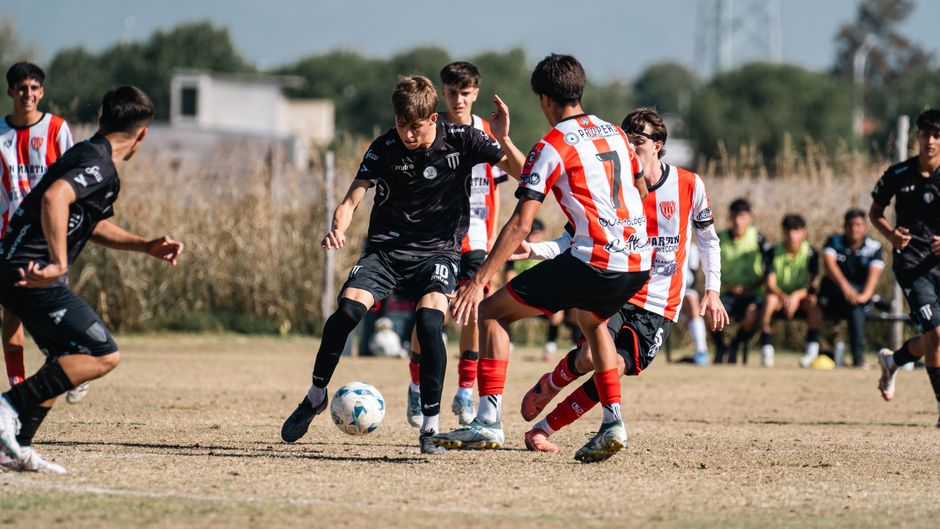
Football in Tasmania has never been more than a sport played on weekends. Today, it's become the social infrastructure binding neighbourhoods together, with local clubs reporting record membership and expanding their reach far beyond the pitch.
The evidence is visible across the state. Sandy Bay United, operating from their recently upgraded ground on Marieville Esplanade, has grown their youth program to 340 registered players this season—up 23 percent from 2024. Meanwhile, clubs operating from Fern Tree to the inner-north are seeing similar trajectories, with participation fees ranging from $280 to $450 per season, keeping the sport accessible to working families.
What's driving this growth isn't just improved facilities, though investment has certainly helped. It's the intentional work clubs are doing to embed themselves within their communities. Glenorchy FC has launched a free 'kick-start' program for primary school children in the Glenorchy and Rokeby areas, removing cost barriers entirely. North Hobart District Football Club partnered with a local mental health service provider to offer wellbeing support during Tuesday evening trainings, recognising that for many young players, the club becomes a sanctuary.
"We're seeing clubs operate as genuine community anchors," says Dr Sarah Chen, leisure and sport researcher at the University of Tasmania's Institute for Social Change. "They're not just fields with goals anymore. They're spaces where isolated residents connect, where migrant families build networks, where kids develop resilience."
The numbers back this up. A recent survey of Tasmanian football clubs found that 67 percent now run community programs beyond competitive play—breakfast clubs, homework support, English-language conversation groups, and women's wellbeing sessions. Suburban venues like the grounds at Claremont, West Hobart, and Lindisfarne have transformed into weekday community hubs.
Investment has followed demand. The Tasmanian Football Association secured $1.2 million in state and federal funding this financial year to upgrade infrastructure across ten suburban clubs. New change rooms, disability-accessible facilities, and improved floodlighting have made evening training viable for working adults.
Perhaps most tellingly, clubs report growing partnerships with local schools, workplaces, and service organisations. A midweek five-a-side league launched in March specifically targets professionals working in Hobart's CBD, with matches played at venues across the city's north and south.
As other sectors struggle to maintain community engagement, Tasmanian football is quietly proving that when organisations prioritise accessibility, inclusion, and genuine connection, people respond. The sport that once meant weekend matches between strangers has become something deeper: a thread woven through the fabric of neighbourhood life.
This article was compiled by AI from the sources linked above and screened before publishing. See our editorial standards.