Community
Port Arthur and the Convict Heritage: The Dark Foundation of Modern Australia
The convict settlement that Tasmania cannot escape has become the foundation of its cultural tourism economy.
Community
The convict settlement that Tasmania cannot escape has become the foundation of its cultural tourism economy.
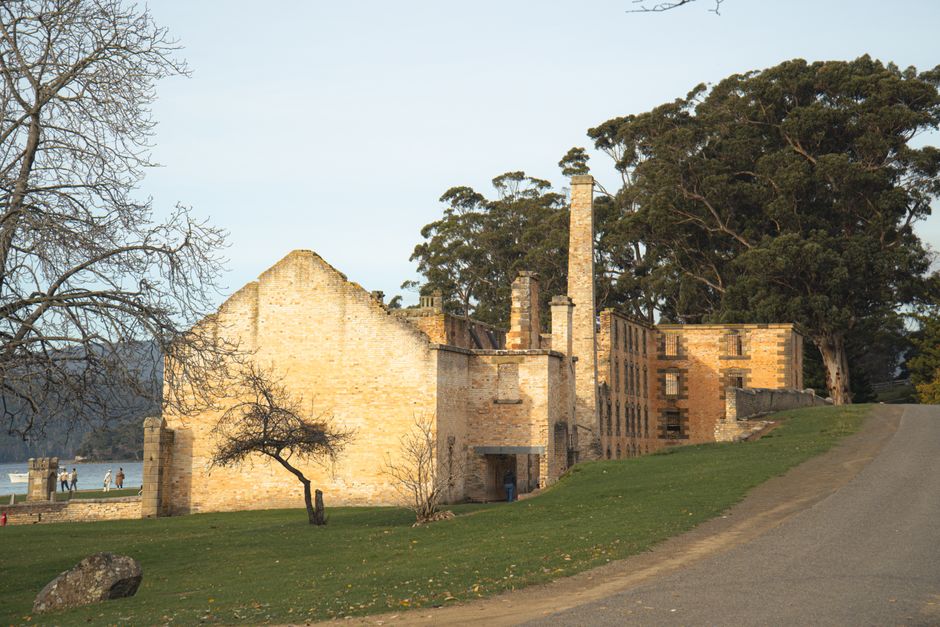
Port Arthur, the most significant surviving convict settlement in Australia and a UNESCO World Heritage site, provides the most complete surviving physical record of the British convict transportation system that populated much of Australia from 1788 to the 1860s. The settlement's combination of the penitentiary, the model prison, the church, the asylum, the doctor's quarters, and the dozen other heritage structures that survive in varying states of completeness on the Tasman Peninsula creates the most comprehensive surviving example of a convict establishment anywhere in the world that was part of the transportation system.
The historic site's management by the Port Arthur Historic Site Management Authority provides the professional heritage interpretation and conservation that the most visited heritage site in Tasmania requires. The guided tours, the light and sound show that brings the penitentiary to life for evening visitors, and the ghost tours that have become the most popular paid experience at the site reflect the range of engagement formats that heritage tourism at its most sophisticated deploys to reach different visitor interests and demographics.
The Tasman Peninsula's broader heritage landscape, including the remains of the probation stations at Koonya, Cascade, and the various other points where convict labour was deployed across the peninsula, provides the context that makes Port Arthur comprehensible as part of a system rather than as an isolated facility. The peninsula's geography, a near-island connected to the Tasmanian mainland by the narrow Eaglehawk Neck where guard dogs and soldiers patrolled to prevent escape, was deliberately chosen for its natural containment and its inescapability.
The 1996 Port Arthur massacre, in which 35 people were killed in the worst mass shooting in Australian history and which directly led to the Howard government's gun law reforms, has added a more recent layer of significance to a site already heavy with historical weight. The memorial garden established in memory of the victims and the respectful management of the massacre's history alongside the convict heritage creates the dual memorial responsibility that the Port Arthur Historic Site Management Authority carries with particular sensitivity.
This article was compiled by AI from the sources linked above and screened before publishing. See our editorial standards.
About this article
Published by The Daily Tasmania
Daily brief
Free, in your inbox before 7am. Weekdays.
More from Tasmania
Newsletter