community
Launceston and the Tamar Valley: Tasmania's Second City and Its Wine Country
The Tamar Valley's cool climate produces Pinot Noir and sparkling wine of international reputation.
How we reported this
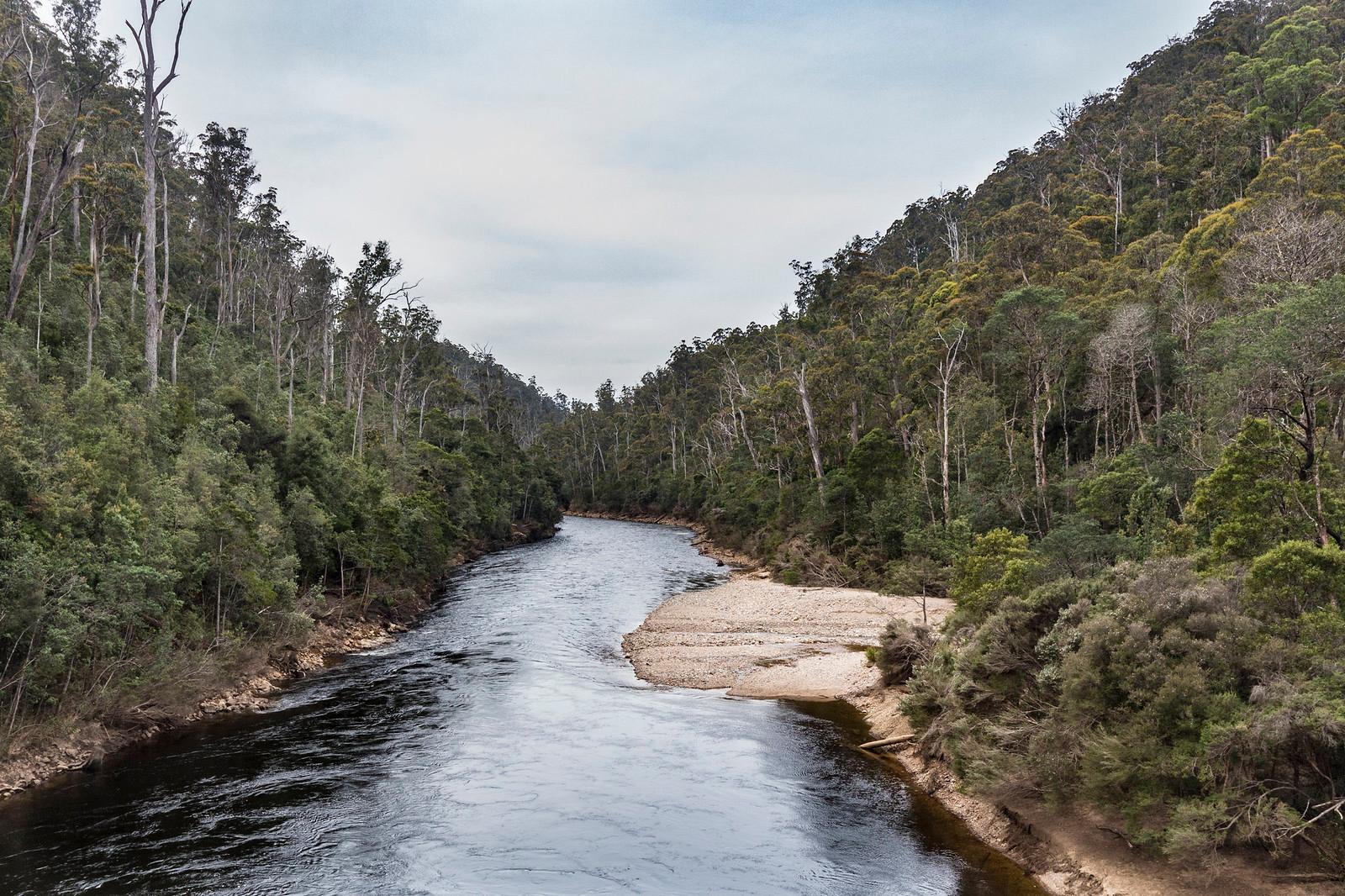
Launceston, Tasmania's second city with a population of approximately 90,000, provides the northern complement to Hobart's southern capital functions, serving as the commercial, educational, and health hub for northern and northwest Tasmania. The city's heritage character, its gorge, the Tamar River frontage, and the Cataract Gorge that provides one of the most accessible wilderness experiences at the edge of an Australian city, give Launceston a distinctive natural and heritage quality that distinguishes it from the generic regional city character of comparable mainland centres.
The Tamar Valley wine region, extending along the Tamar River from Launceston to George Town and the Bass Strait coast, produces Pinot Noir, Chardonnay, and sparkling wine from the cool climate that the valley's southern position and the maritime influence of Bass Strait provide. The valley's producers, including Pipers Brook, Bay of Fires, and the smaller boutique estates, have contributed to Tasmania's growing reputation as a producer of cool-climate wines of genuine quality whose Chardonnay and Pinot challenge the best of the mainland's cool climate regions.
Cataract Gorge, the steep-sided dolerite gorge of the South Esk River at Launceston's western edge, provides one of the most remarkable urban natural features in Australia, the river cutting through the columnar dolerite that characterises Tasmania's highland geology to create the dramatic gorge whose walking tracks, suspension bridge, and chairlift provide the outdoor recreation and the visual drama that visitors and residents use throughout the year. The First Basin swimming pool in the gorge, heated by the summer sun in its sheltered gorge position, provides the outdoor swimming experience that the gorge's popularity among families and visitors has sustained for over a century.
The Launceston CBD's heritage buildings, particularly the concentration of nineteenth century commercial architecture in the pedestrian mall and surrounding streets, provide the heritage character that Launceston's merchant history deposited in stone and brick. The city's resistance to the comprehensive redevelopment that transformed many comparable mainland cities in the post-war decades has preserved an urban fabric that heritage tourists and the community's own appreciation of the built past value.