Community
The Overland Track: The Walk That Defines Tasmanian Wilderness
The 65-kilometre track through the central highlands is Australia's most famous multi-day walk.
Community
The 65-kilometre track through the central highlands is Australia's most famous multi-day walk.
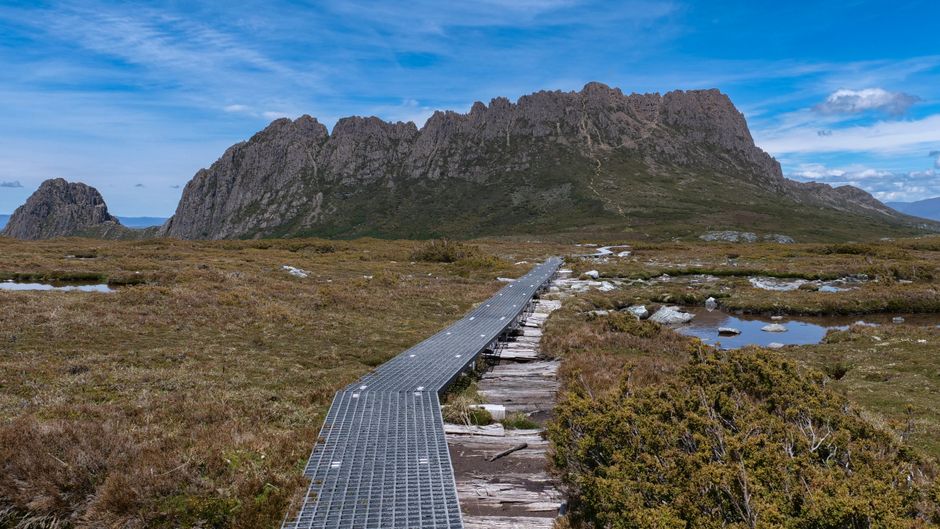
The Overland Track, the 65-kilometre multi-day walk through Tasmania's Central Highlands between Cradle Mountain in the north and Lake St Clair in the south, is Australia's most iconic long-distance walk and one of the world's great wilderness walks. The track traverses the plateau country of the Tasmanian Wilderness World Heritage Area through a landscape of button grass moorland, ancient pencil pine forests, alpine heathland, and the dramatic dolerite peaks of Cradle Mountain and the Barn Bluff that provide the visual signature of the Tasmanian high country. The walk typically takes six to eight days and requires the gear, fitness, and navigation skills that the alpine conditions and the remoteness of the track demand.
The booking system that Tasmania Parks and Wildlife Service manages for the Overland Track during the peak walking season from October to May, limiting the number of walkers entering from the Cradle Mountain end on any given day, has reduced the crowding that threatened to compromise the wilderness character of the track during the period of unconstrained visitor growth. The system's combination of the permit requirement and the booking fee has created the management framework that allows the track's ecological and experiential values to be maintained alongside the significant visitor numbers that the track's international reputation attracts.
The huts along the Overland Track, maintained by Parks and Wildlife and supplemented by the private hut system of Cradle Mountain Huts that provides the guided walk experience with private accommodation, provide the shelter and the social gathering points that multi-day alpine walking requires in the Tasmanian weather that can change from sunshine to snow in a matter of hours. The huts' management, including the composting toilet systems and the fuel stove policy that addresses the fire risk in the sensitive alpine vegetation, reflects the environmental management standards that a World Heritage Area walking track must maintain.
The Overland Track's contribution to the Tasmanian tourism economy, through the accommodation and equipment spending of the walkers who prepare and recover in Launceston and Hobart, the transport costs of reaching the track's endpoints, and the guiding and support services that the walking tourism sector provides, makes the 65-kilometre walk one of the most economically significant tourism products in the state. The walker's expenditure multiplies through the supply chain that serves the walking market.
This article was compiled by AI from the sources linked above and screened before publishing. See our editorial standards.
About this article
Published by The Daily Tasmania
Daily brief
Free, in your inbox before 7am. Weekdays.
More from Tasmania
Newsletter