Our reporters are based in Tasmania and cover local government, business and community. We are independently owned and editorially independent. Read our editorial standards →
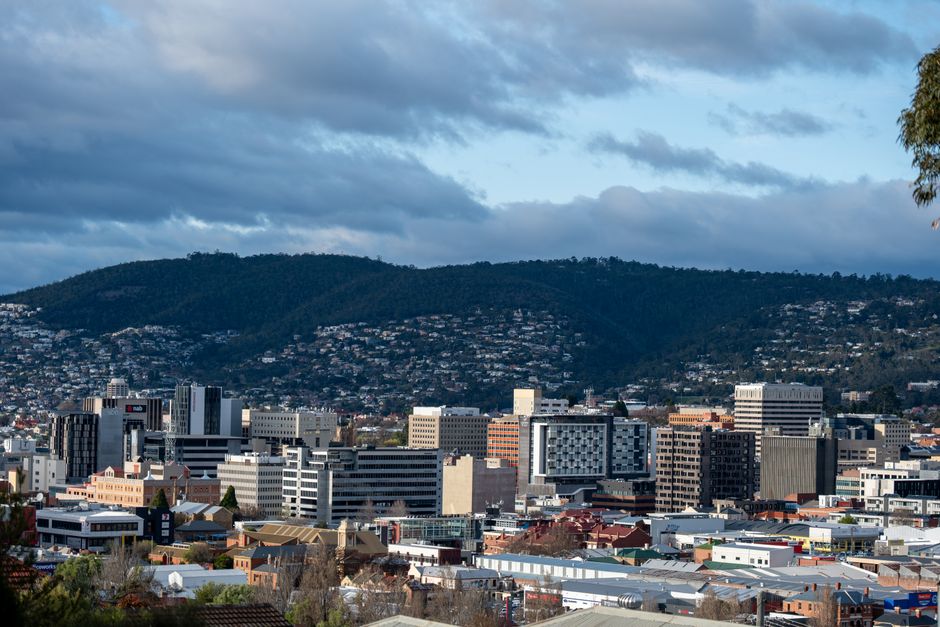
Tasmania's property market is at a fascinating inflection point. While Hobart's prestige postcodes—Sandy Bay and Battery Point commanding upwards of $750,000 for median house prices—continue to attract affluent mainlanders, a quieter but potentially more lucrative trend is unfolding in regional centres.
The state's median house price hovering around $560,000 masks a widening gap between coastal lifestyle hotspots and inland opportunities. Launceston, historically positioned as the affordable alternative, is experiencing genuine momentum. Properties in suburbs like Riverside and Trevallyn are now seeing year-on-year growth that rivals Hobart's traditionally stronger performance, with median prices in these pockets reaching $480,000—significantly lower entry points with stronger growth trajectories.
What's driving this shift? The lifestyle migration boom that put Tasmania on the national map has matured. Early movers secured beachside and riverside prestige properties; now, a second wave of buyers—younger families, remote workers, and downsizers—are seeking better value without sacrificing quality of life. Towns like Devonport and Ulverstone on the North Coast are experiencing unexpected interest, particularly as infrastructure improvements and tourism development make these areas increasingly appealing.
The data tells an intriguing story. While clearance rates nationally have softened, Tasmania's market remains relatively resilient. Properties in suburbs like South Hobart and Fern Tree continue to attract bidding wars, but the premium being paid for these addresses is prompting rational buyers to look further afield. A renovated period home in inner Launceston now offers comparable lifestyle credentials to similar stock in Hobart's outer suburbs, but at a 15-20% discount.
Interest rate expectations and the end-of-financial-year timing are also reshaping buyer behaviour. Investors are increasingly calculating long-term yield potential beyond the coastal trophy suburbs. Regional rental markets, buoyed by tourism and education sectors, are delivering steadier returns than the capital-growth-dependent premium precincts.
However, sustainability questions linger. Can regional growth momentum hold if Hobart's amenity premium continues widening? Local experts suggest the answer lies in targeted development. Suburbs with proximity to jobs, schools, and lifestyle infrastructure—think Riverside in Launceston or suburbs along Hobart's emerging innovation corridors—are likely to command investor attention in ways purely remote locations won't.
For buyers and investors watching Tasmania's property landscape in 2025, the message is clear: the state's growth story isn't finished, but its next chapter is being written far beyond Sandy Bay.
This article was compiled by AI from the sources linked above and screened before publishing. See our editorial standards.