Our reporters are based in Tasmania and cover local government, business and community. We are independently owned and editorially independent. Read our editorial standards →
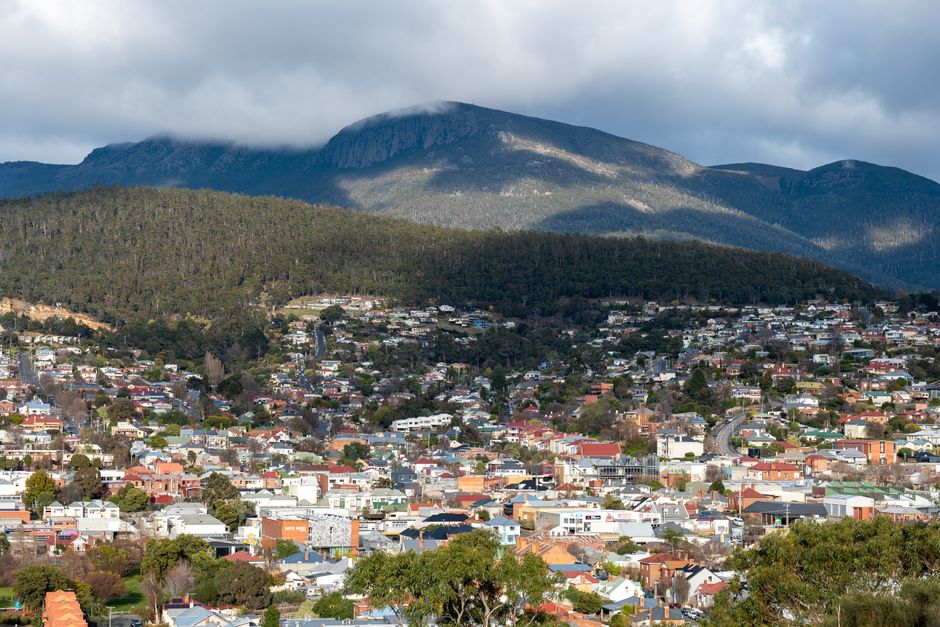
Tasmania's property market is experiencing a geographical reset. While Hobart's prestige precincts like Sandy Bay and Battery Point remain aspirational addresses commanding premium prices above $800,000, a new wave of investor interest is quietly reshaping the state's growth corridors—and the returns tell a compelling story.
Data from the past 18 months reveals that regional centres are outpacing capital growth expectations. Launceston, long positioned as Tasmania's affordable alternative, is now attracting interstate buyers seeking value-add opportunities. Median house prices in the city hover around $420,000—nearly $140,000 below Hobart—yet growth momentum is accelerating as remote workers and retirees discover its riverside charm and lower cost of living.
But the real surprise is happening in secondary suburbs. Towns like Tavistock, Riverside, and Legana in the north are recording 12-month price growth exceeding 8 percent, outstripping Hobart's more measured 4-5 percent trajectory. Meanwhile, southern pockets including Cygnet and Woodstock are emerging as lifestyle migration magnets, with prices rising from $450,000 to $550,000 as Melburnians and Sydneysiders seek sea-change alternatives without the astronomical costs of their home markets.
The state median of $560,000 masks these regional divergences. First-home buyers priced out of Hobart's Sandy Bay are increasingly looking north and west, where blocks of land in growing areas remain accessible below $400,000. This demographic shift is reshaping construction activity—new builds in regional centres are climbing, suggesting developers have identified genuine demand beyond the capital's established suburbs.
Interest rate stability and improved mortgage serviceability assessments have freed up lending capacity for regional property, particularly where investors can secure positive cash flow. A three-bedroom home in Launceston renting for $350-$380 weekly now appeals to portfolio diversifiers who remember Melbourne's auction market freeze and Sydney's plateau.
However, challenges persist. Population growth remains concentrated in greater Hobart, and infrastructure investment outside the capital hasn't matched residential demand. Schools, healthcare services, and employment diversity still lag regional Victoria and New South Wales—factors that temper long-term capital growth expectations for smaller towns.
For buyers seeking genuine opportunity, Tasmania's next phase isn't about betting on $1 million Hobart penthouses. It's about identifying which secondary towns will anchor the state's next growth cycle as migration patterns and work-from-home arrangements continue reshaping where Australians choose to live.
This article was compiled by AI from the sources linked above and screened before publishing. See our editorial standards.