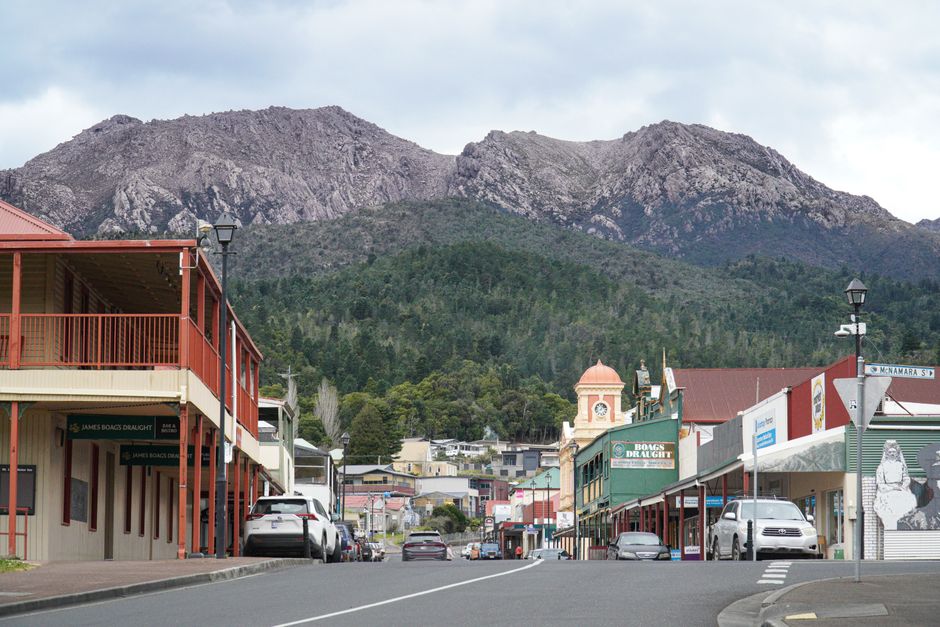
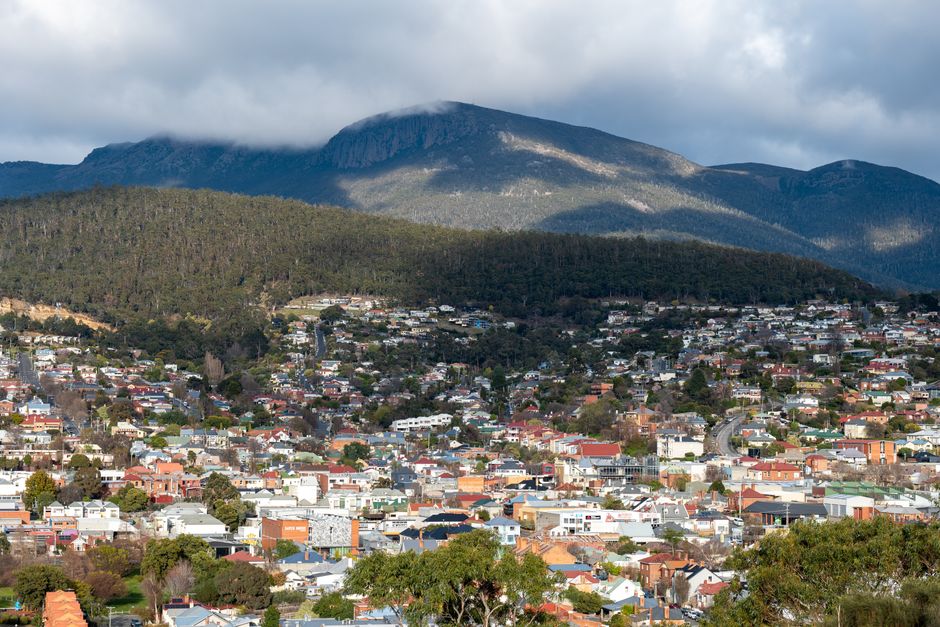
Tasmania's property market is experiencing a fascinating realignment as buyers increasingly look beyond Hobart's premium precincts toward regional alternatives offering better value and quality of life.
While Sandy Bay and Battery Point continue to command premium prices—with median values hovering around $750,000 and $820,000 respectively—it's the northern and southern regional towns that are capturing genuine buyer momentum in 2026. Launceston, long positioned as the affordable counterpoint to the capital, is seeing renewed interest, with median house prices sitting comfortably around $485,000. But the real story is unfolding in emerging destinations like Tasman, Riverside, and the growing Kingston-Kettering corridor south of Hobart.
The shift reflects a broader national trend: first-home buyers and downsizers alike are becoming savvier about equity exposure and long-term value. Unlike Melbourne's congested auction markets or Sydney's stratospheric entry points, Tasmania's regional towns offer accessible entry prices without sacrificing lifestyle credentials. A three-bedroom home in central Launceston or Devonport can still be secured for under $500,000—a threshold that barely scratches the surface in Australia's major capitals.
Lifestyle migration continues to fuel Tasmania's appeal, but the demographic is evolving. Rather than wealthy retirees seeking Battery Point's heritage charm, we're seeing young families and remote workers prioritising affordability, outdoor access, and community over postcode prestige. This is reshaping where new developments are clustered and where agent activity is intensifying.
The state's median house price of $560,000 masks significant regional variation. While Hobart's premium suburbs command seven-figure sums, investors and first-time buyers are discovering overlooked value in suburbs like Moonah, Geilston Bay, and the emerging Blue Tier precincts. These areas combine relative affordability with genuine growth potential—particularly as infrastructure investment follows population migration patterns.
Looking ahead, Tasmania's property forecast hinges on three factors: continued interstate migration, interest rate stability, and local policy settings. Unlike the cautionary warnings emerging from Melbourne and Brisbane—where tight auction markets and policy uncertainty are creating headwinds—Tasmania's market fundamentals remain solid. Supply constraints exist, but they're not yet creating the desperation driving price volatility elsewhere.
For savvy investors and buyers, the message is clear: Tasmania's property sweet spot isn't a single suburb anymore. It's the entire regional ecosystem, where genuine lifestyle gains align with genuine financial sense. The smart money isn't chasing Hobart's premium lanes—it's exploring the value-rich alternatives just beyond them.
This article was compiled by AI from the sources linked above and screened before publishing. See our editorial standards.