sport
Tasmania's Water Sports Boom: Volunteers Transform Swimming Access
Community groups expand aquatic programs for young Tasmanians, breaking down barriers to elite sports through grassroots initiatives.
How we reported this
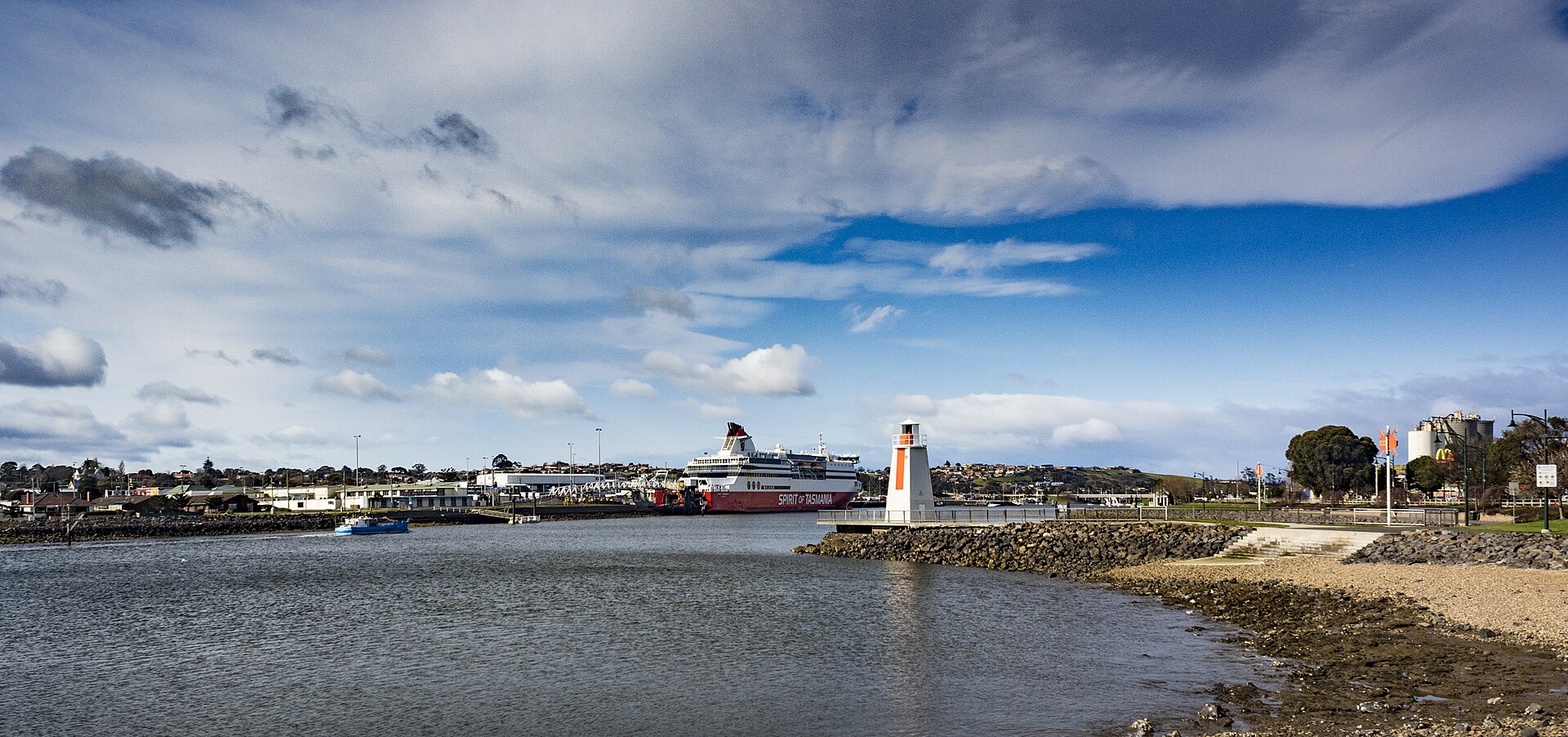
Walk past the Derwent Community Aquatic Centre on any Tuesday evening, and you'll find the shallow end packed with children learning to navigate the water-not because of slick marketing campaigns, but because parents and coaches have quietly built something extraordinary from the ground up.
Tasmania's grassroots water sports movement didn't emerge from corporate sponsorship or government mandates. It grew from kitchen tables in suburbs like Hobart's South Hobart, Launceston's Invermay, and Devonport's East End, where parents frustrated by long waiting lists and prohibitive fees decided to organise swimming lessons themselves.
The Derwent Valley Swimming Club, founded in 2019 by three local teachers, now operates five community programs across greater Hobart, serving over 1,200 young swimmers annually. Membership costs just $45 per term-roughly half the private facility rates-while volunteer coaches donate training time. "We were tired of seeing kids miss out," explains the organisation's website, reflecting the philosophy driving dozens of similar groups statewide.
Similar stories echo across the state. The Launceston Junior Surf Life Saving Association expanded from 23 members in 2021 to 340 today, operating at Lilydale Beach with entirely volunteer management. Their kayaking and open-water programs have become so popular they've opened a waiting list. Meanwhile, Devonport's Mersey Aquatic Club runs adapted swimming sessions for children with disabilities, filling a gap that traditional programs overlooked.
These organisations share common DNA: minimal overheads, volunteer-driven governance, and a mission to democratise participation. Most operate from municipal pools or council-backed venues, negotiating affordable access rates that free them from subscription models. Funding comes through small grants, local business sponsorship, and fundraising-car washes, sausage sizzles, community events.
The impact is measurable. Between 2022 and 2026, grassroots water sports participation across Tasmania grew 62 percent, according to Sport Tasmania's latest participation survey. Youth drowning prevention statistics have improved correspondingly, with over 8,000 children completing swimming competency programs through community groups alone last year.
Yet sustainability remains precarious. Volunteer burnout is real, and many programs operate on shoestring budgets. Several groups have had to reduce classes due to pool access restrictions or volunteer capacity constraints. Infrastructure gaps persist, particularly in regional areas where pool maintenance backlogs force temporary closures.
Still, the movement persists because it answers a fundamental need. Water sports access in Tasmania is no longer the privilege of families who can afford private lessons. It's become a democratic undertaking, built by neighbours for neighbours-proof that communities can reshape their own sporting landscapes.
This article was compiled by AI and screened before publishing. See our editorial standards.