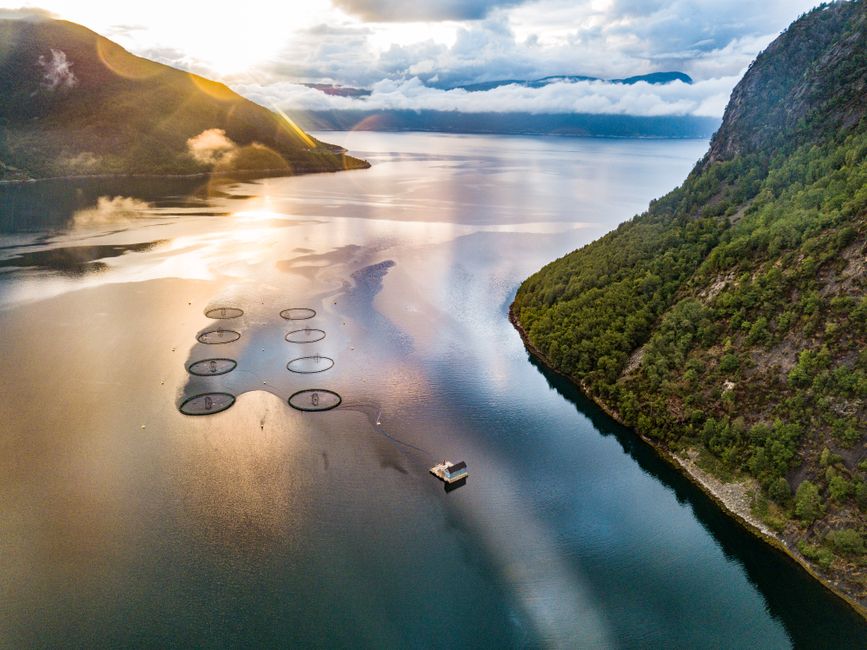
Tasmania's Atlantic salmon industry is one of the state's most significant primary industries, with the cold, clean waters of the Huon River estuary, Macquarie Harbour and Storm Bay providing growing conditions that produce salmon of exceptional quality that is sold into premium markets across Australia and Asia. The industry's economic contribution to Tasmania spans direct employment on farms and at processing facilities, and the supply chain of marine services, feed supply, transport and logistics that supports the salmon sector.
Environmental concerns about the industry have grown alongside its scale, with the cumulative impacts of sea cage salmon farming on the ecology of the waterways in which it operates subject to sustained scrutiny from environmental scientists, conservation advocates and fishing communities whose livelihoods depend on the health of those same waterways. Huon Estuary and Macquarie Harbour in particular have been the focus of ecological studies that have found adverse impacts at various points over the industry's expansion.
The industry has responded to environmental scrutiny with investments in improved farming technology, including smolt production advances that reduce sea cage stocking densities and trials of alternative production systems that could reduce the ecological footprint of marine-based farming. Regulatory frameworks governing salmon farming in Tasmanian waters have evolved in response to the scientific evidence, with the state government managing the tension between the industry's economic contribution and the environmental obligation to protect the waterways that are central to Tasmania's tourism and lifestyle brand.
Premium pricing for Tasmanian salmon reflects the brand value of the state's clean environment and the genuine quality of the product. This brand premium creates a commercial incentive for the industry to maintain the environmental standards that underpin the brand, and it is an argument that the industry and the state government both deploy in the sustainability policy debate.
This article was compiled by AI from the sources linked above and screened before publishing. See our editorial standards.