Tasmania recorded international visitor expenditure of $820 million in the past financial year, the highest in the state's history, as the island destination's reputation for wilderness tourism, food culture, and arts experiences continued to draw high-yield travellers from global markets who were choosing quality destinations over volume tourism.
Tourism Tasmania chief executive Sarah Clark said the record performance reflected the fruition of a decade-long strategy to position Tasmania as a premium destination rather than competing on price. The average international visitor spent $4,800 per trip to Tasmania, compared with a national average of $3,100, reflecting the longer stays and higher per-night expenditure of the cultural and wilderness tourism market the strategy targeted.
Japan was the top international source market by expenditure, followed by Germany and the USA. All three markets have large segments of travellers seeking authentic wilderness experiences, world-class food, and unique cultural offerings — precisely the attributes that the Dark Mofo and Mona Foma festivals, the Overland Track, and the Tasmanian food provenance story deliver.
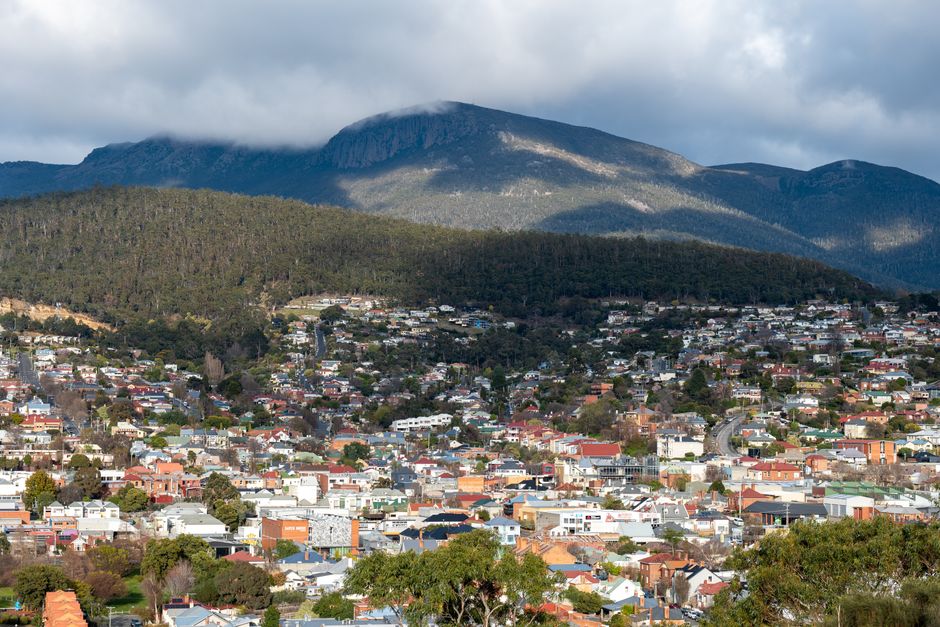
Hobart accommodation operators reported the highest average daily rates in the city's history across all categories from budget hostels to luxury properties, reflecting both strong demand and the growing recognition of Hobart as a sophisticated food and arts city in its own right rather than simply a gateway to wilderness. The Mona (Museum of Old and New Art) attracted 312,000 visitors in the year — its highest since its opened in 2011.
Tourism Tasmania is now developing a new visitor management strategy to ensure growth does not undermine the quality and environmental sustainability of the experiences that make Tasmania distinctive.
This article was compiled by AI from the sources linked above and screened before publishing. See our editorial standards.