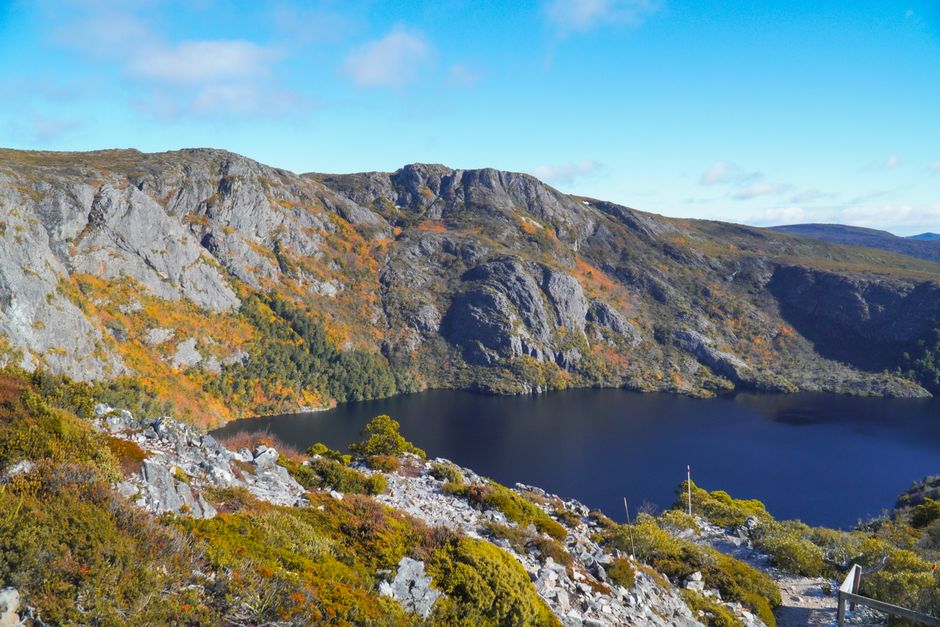
The Tasmanian Wilderness World Heritage Area, covering nearly 1.4 million hectares of southwestern Tasmania, is one of the largest temperate wilderness areas on Earth and the foundation of an ecotourism economy that has developed steadily over several decades into one of Australia's most distinctive and premium nature travel offerings. The wilderness's ancient rainforests, buttongrass moorlands, glacial lakes and dramatic mountain ranges create a landscape that has no equivalent elsewhere in Australia and few equivalents globally.
Guided multi-day walking experiences in the wilderness, including the famous Overland Track in Cradle Mountain-Lake St Clair National Park and the South Coast Track, attract walkers from across Australia and internationally who seek authentic wilderness immersion that is increasingly scarce in a heavily managed world. The limited permit numbers for the most popular tracks deliberately manage visitor numbers to protect the wilderness experience, creating a premium product by design.
Wilderness lodge experiences have developed to serve walkers and nature visitors who seek comfort alongside their wilderness encounters, with properties like Freycinet Lodge, Pumphouse Point and the award-winning Saffire Freycinet offering accommodation in spectacular natural settings at price points that reflect the exclusivity of their locations and the quality of their service. These properties attract high-value visitors whose spending supports local employment and who generate media coverage and word-of-mouth that markets Tasmania at a global level.
The Parks and Wildlife Service manages visitor access to the wilderness area in a way that balances conservation priorities with the economic contribution of nature-based tourism. The tension between these objectives is genuine and requires ongoing calibration, with decisions about track access, hut capacity and visitor permits having direct commercial implications for the tourism businesses that operate in and around the wilderness.
This article was compiled by AI from the sources linked above and screened before publishing. See our editorial standards.