Technology
Remote Work Tech Transforms Tasmanian Commutes, Communities, Local Economics
As coworking spaces proliferate across Hobart and Launceston, flexible work technology is fundamentally altering commute patterns, social connections, and neighbourhood economics for locals.
How we reported this
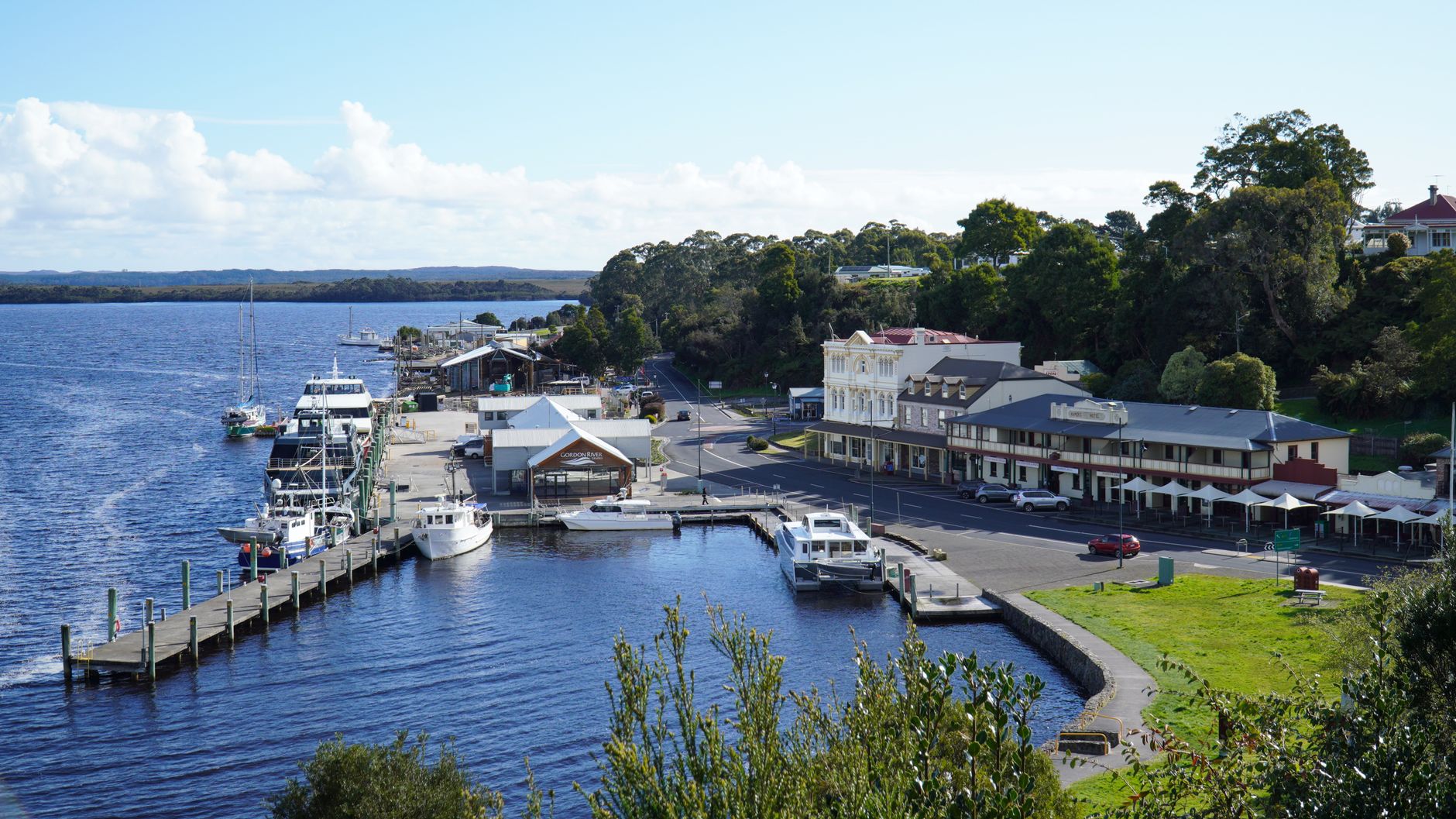
When Elena Rodriguez started her marketing consultancy from her Battery Point home two years ago, she never imagined she'd spend most working days at a desk that wasn't hers. Today, the 34-year-old splits her week between three different locations: a coworking hub on Davey Street, a café workspace in North Hobart, and her home office overlooking the Derwent.
"The technology makes it seamless," Rodriguez explains. "Cloud storage, video conferencing, project management apps-I'm as productive anywhere as I was in a traditional office." She's far from alone. Tasmania's remote work revolution is reshaping how residents experience their city and their working lives.
The numbers tell a compelling story. Coworking operators across Tasmania report occupancy rates hovering around 78 percent in mid-2026, up from just 32 percent in 2023. Monthly desk memberships at established venues like those clustered around the Sandy Bay technology precinct typically cost between $250 and $450-substantially less than traditional office rentals, which averaged $600-plus monthly for comparable space a decade ago.
But the transformation extends far beyond economics. Local residents are experiencing tangible changes to their daily routines. Commute times to Hobart's CBD have dropped for many workers who now spend two or three days weekly in neighbourhood coworking spaces rather than office towers. Parents juggling school runs and work deadlines find flexibility previously unavailable. Evening foot traffic in once-quiet business districts now extends throughout the day as remote workers patronise local cafés and lunch venues during working hours.
"We've seen a real revitalisation of Salamanca and surrounding precincts," notes a spokesperson for the Hobart Chamber of Commerce, referencing increased daytime spending at independent retailers and hospitality venues. "Workers staying local throughout the day inject consistent revenue into neighbourhood businesses."
The shift hasn't been seamless everywhere. Tasmanian internet reliability remains inconsistent outside metro areas, with rural residents still struggling with bandwidth limitations that undermine remote work viability. Infrastructure providers face mounting pressure to expand high-speed connectivity to outer suburbs and regional towns.
Perhaps most significantly, coworking spaces have become unexpected social hubs. Solo operators and freelancers-a demographic previously isolated in home offices-now access built-in professional communities. Networking opportunities that once required formal conferences now happen organically over shared lunch tables.
As technology continues evolving, Tasmania's remote work infrastructure will likely deepen this transformation, potentially recalibrating how residents experience work, community, and urban space itself.
This article was compiled by AI and screened before publishing. See our editorial standards.