Technology
Hobart Fintech Startup Meridian Pay Cuts Cross-Border Transaction Costs for Tasmanians
As global trade tensions mount, the Elizabeth Street-based firm has cracked a problem that's cost local businesses millions.
How we reported this
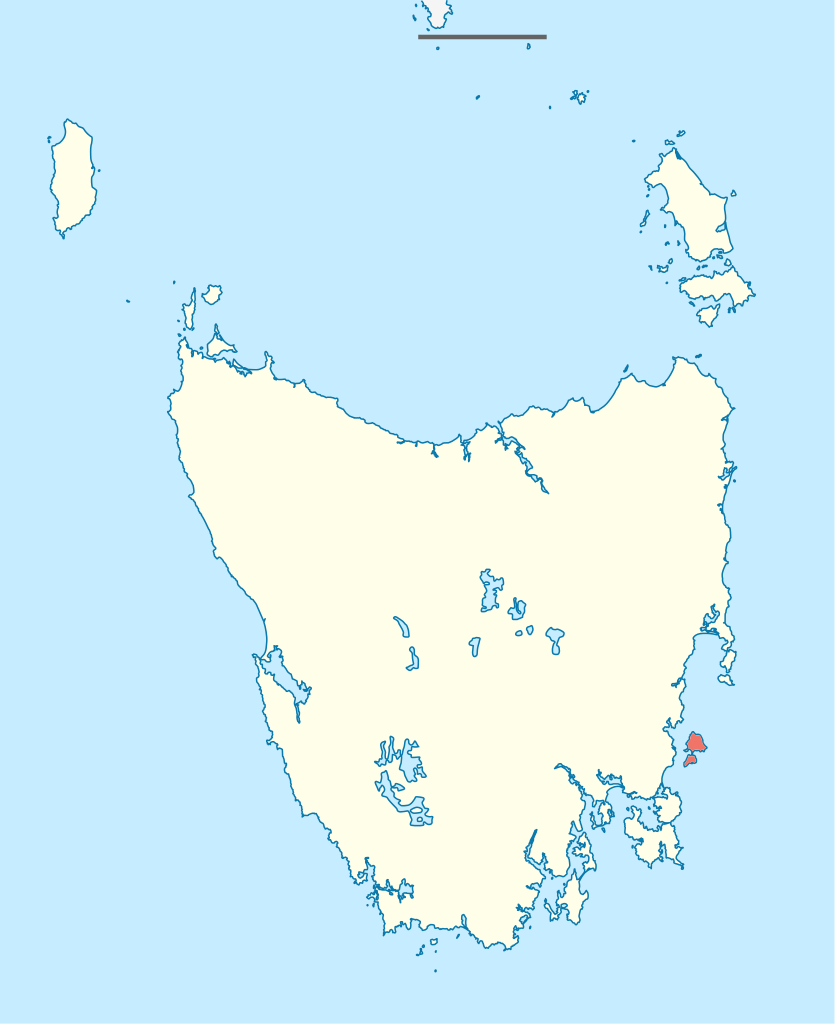
While international headlines fixate on trade wars and diplomatic standoffs, Hobart's fintech community is solving a quieter but equally pressing problem: how to move money reliably when geopolitical winds shift unpredictably.
Meridian Pay, a twelve-person operation based in a converted warehouse on Elizabeth Street, has spent the past eighteen months building what amounts to a financial immune system for small and mid-sized Tasmanian exporters. The company's core innovation is a cross-border payment platform that automatically routes transactions through multiple banking corridors, reducing delays and hidden fees that have historically plagued the region's seafood, agriculture, and manufacturing sectors.
Tasmania's export economy-worth approximately $3.2 billion annually-has been hamstrung by inefficiencies in international settlement. A typical shipment of Atlantic salmon to North America might involve five intermediaries, each taking a cut. Processing times could stretch to ten business days. For businesses operating on razor-thin margins, this friction translates directly to lost competitiveness.
Meridian's platform addresses this by tokenising payments and leveraging partnerships with seventeen regional banks across Europe, Asia-Pacific, and North America. Early adopters from the Tasmanian Chamber of Commerce report processing times of 24 to 48 hours, with fees running 60 to 70 percent below traditional wire transfers. One local aquaculture firm claims the switch has freed up nearly $180,000 in working capital annually.
What makes Meridian's timing acute is geopolitical. Recent moves by major trading blocs to restrict long-term agreements and tighten financial surveillance have created genuine uncertainty about which banking channels remain reliable. Companies in Launceston and Devonport are increasingly willing to experiment with alternatives that don't rely solely on traditional correspondent networks.
The startup, which raised $2.1 million in seed funding from Australian VCs in March, is now onboarding its fiftieth client. Revenue is confidential, but the team is hiring two additional engineers-a significant indicator of traction in Tasmania's competitive talent market.
Meridian Pay won't solve geopolitics. But for Tasmanian exporters watching their margins compress, it represents something rarer: a genuinely local solution to a problem that felt inevitable. In an era of trade uncertainty, that's the innovation worth watching.
This article was compiled by AI and screened before publishing. See our editorial standards.