Technology
Venture Capital Floods Hobart's Tech Quarter With $340m Investment Round
A surge of international funding is reshaping Tasmania's innovation landscape, with major venture firms backing homegrown startups and attracting talent to the island's growing tech precincts.
How we reported this
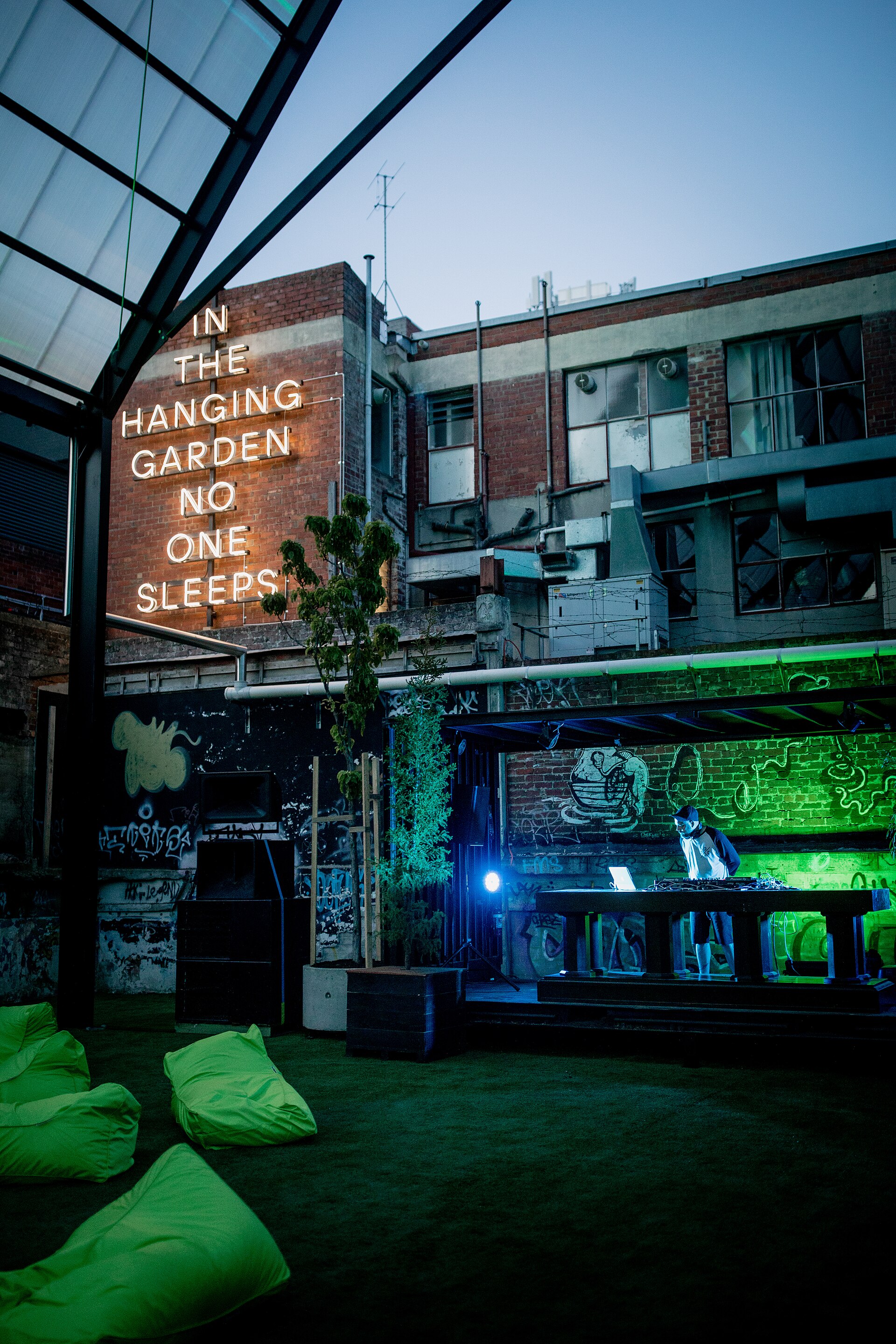
Tasmania's technology sector is experiencing an unprecedented influx of venture capital, with investment figures more than tripling over the past 18 months. Recent data shows that local startups and scale-ups have attracted approximately $340 million in funding across 2025-2026, a dramatic shift that reflects growing international confidence in the island's innovation ecosystem.
The momentum centres around Hobart's emerging tech precinct along Collins Street and the newly revitalised innovation spaces near the Salamanca waterfront, where co-working facilities and accelerator programs have become magnets for founders and investors alike. Major venture firms from Melbourne, Sydney, and increasingly from Silicon Valley, have established satellite offices to tap into what they describe as a talent pool distinguished by high-quality engineering talent and lower operational costs than mainland capitals.
"What we're witnessing is a structural shift," explains the Tasmanian Technology Council, which has tracked the sector's growth. "Ten years ago, attracting institutional capital to Tasmania was almost impossible. Now, we're seeing Series B and Series C rounds regularly close for locally-based companies."
Key drivers include Tasmania's renewable energy advantages-particularly relevant to climate-tech startups-and government incentives like the Digital Tasmania Initiative, which has underwritten accelerator programs and provided tax concessions for early-stage companies. The University of Tasmania's expanded engineering and computer science faculties have also contributed a steady stream of graduate talent.
Specific success stories have captured national and international headlines. Several AI and marine technology ventures, based in Launceston and southern suburbs respectively, have secured substantial institutional backing. One Hobart-based cybersecurity firm recently closed a $28 million Series A round led by European investors impressed by its encryption protocols.
Real estate pressures have inevitably followed. Office rents in the Hobart CBD have risen 12-15 percent annually since 2024, while previously overlooked neighbourhoods like Moonah and Bellerive have seen developer interest in tech-friendly mixed-use spaces. This growth has prompted some infrastructure concerns, with local councils grappling with parking and public transport demands.
Yet challenges remain. Talent retention is ongoing-several founders have relocated to mainland cities after funding rounds. Internet infrastructure outside Hobart continues to lag behind national standards, a factor some rural-based startups cite as limiting.
As global geopolitical tensions reshape supply chains and investment patterns, Tasmania's geographic distance, political stability, and clean energy credentials appear increasingly valuable to international capital allocators seeking diversification beyond traditional tech hubs.
This article was compiled by AI and screened before publishing. See our editorial standards.