Technology
Remote Work Technology Transforms Where Tasmanians Live and Shop
As coworking spaces proliferate across Hobart and Launceston, the technology enabling flexible work is fundamentally changing where locals live, shop, and spend their time.
How we reported this
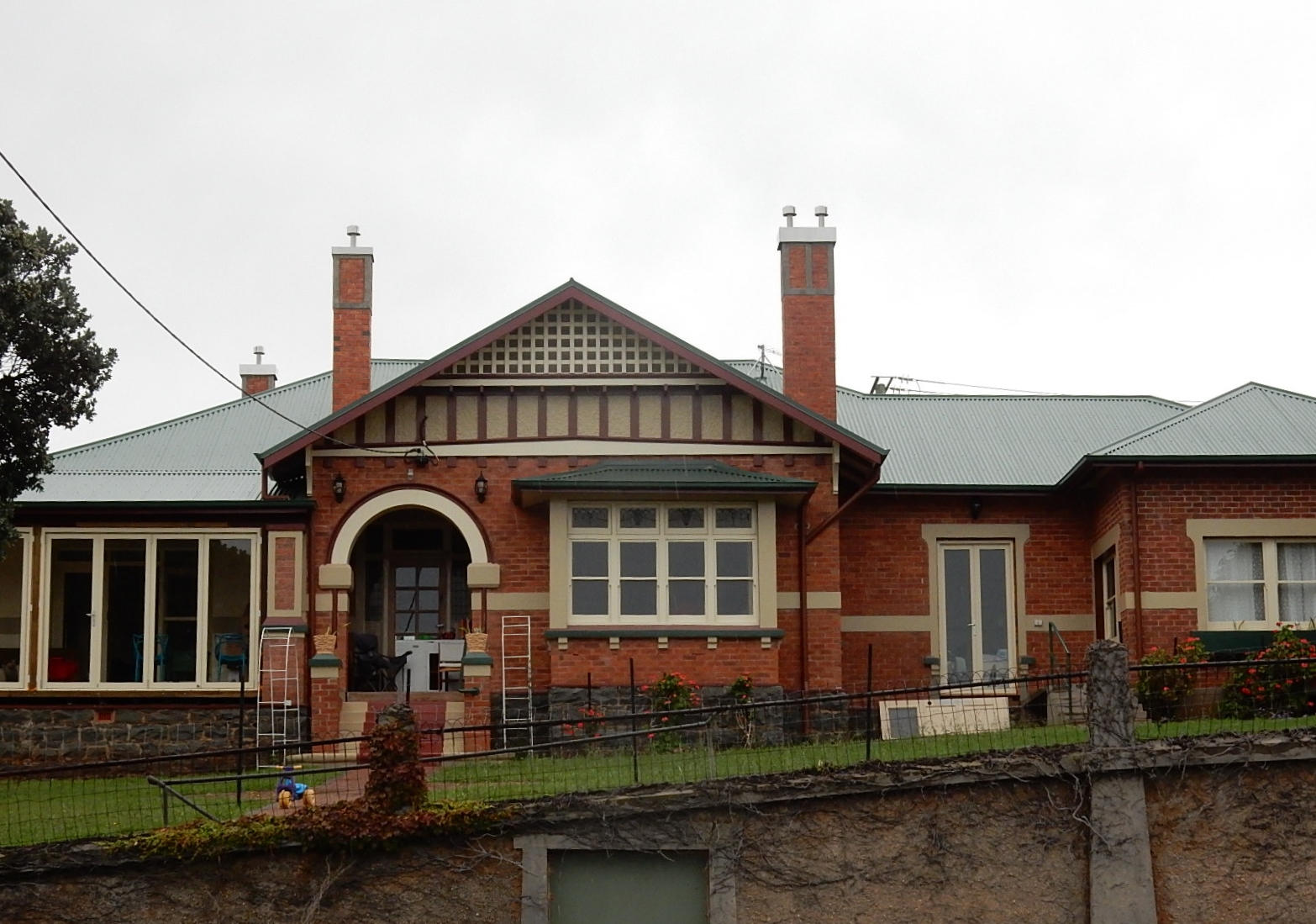
Sarah Chen used to spend three hours a day commuting from her home in Kingston to her office in the CBD. Today, she works from a coworking space ten minutes from her house, three days a week, and from her dining table the other two. Her story has become remarkably ordinary across Tasmania.
The shift is visible in neighbourhoods across the state. Elizabeth Street in Hobart now hosts four dedicated coworking facilities, up from none five years ago. Launceston's emerging tech corridor around Brisbane Street has seen similar growth, with facilities like WorkSpace North and several independent hubs operating at near capacity. Industry data suggests Tasmania's coworking market has grown 34% annually since 2023, outpacing national averages.
The technology enabling this change-high-speed internet, cloud-based collaboration tools, and video conferencing infrastructure-has quietly revolutionised everyday routines. Local childcare operators report increased flexibility in booking patterns. Cafes across Salamanca and North Hobart have adapted seating to accommodate laptop workers, creating a new "third space" economy. One South Hobart cafe owner notes her lunchtime traffic has shifted measurably as remote workers spread their purchasing throughout the day rather than clustering at noon.
But the transformation extends beyond convenience. Property developers have noticed demand shifting toward inner suburbs with amenity access rather than sprawling commuter belts. Real estate data shows Kingston and West Hobart experiencing stronger growth than outer suburbs, reversing previous trends. Families prioritise proximity to coworking facilities and good connectivity over distance from the city.
Environmental outcomes have followed. Tasmania's transport authority reported a 12% reduction in peak-hour traffic volumes since 2024, with remote work cited as a primary factor. Emission reductions in the greater Hobart region have exceeded state targets by 8%.
Yet challenges persist. Digital divide concerns remain for rural Tasmanians without reliable broadband. Workers in traditionally office-dependent sectors struggle with isolation. Mental health professionals have flagged a small but notable increase in work-related burnout, ironically worsened by the blurred boundaries between home and office.
As we approach mid-2026, Tasmania stands at an inflection point. The technology enabling remote work has proven transformative-not as a temporary pandemic measure, but as a permanent reordering of how we live. Whether that reordering proves sustainable depends on how communities adapt to its social and economic ripples.
This article was compiled by AI and screened before publishing. See our editorial standards.