Technology
Tasmania Secures $2.3B Venture Funding to Transform Digital Infrastructure
A surge in government technology investment is reshaping urban planning, with Tasmania's tech corridor attracting major international players.
How we reported this
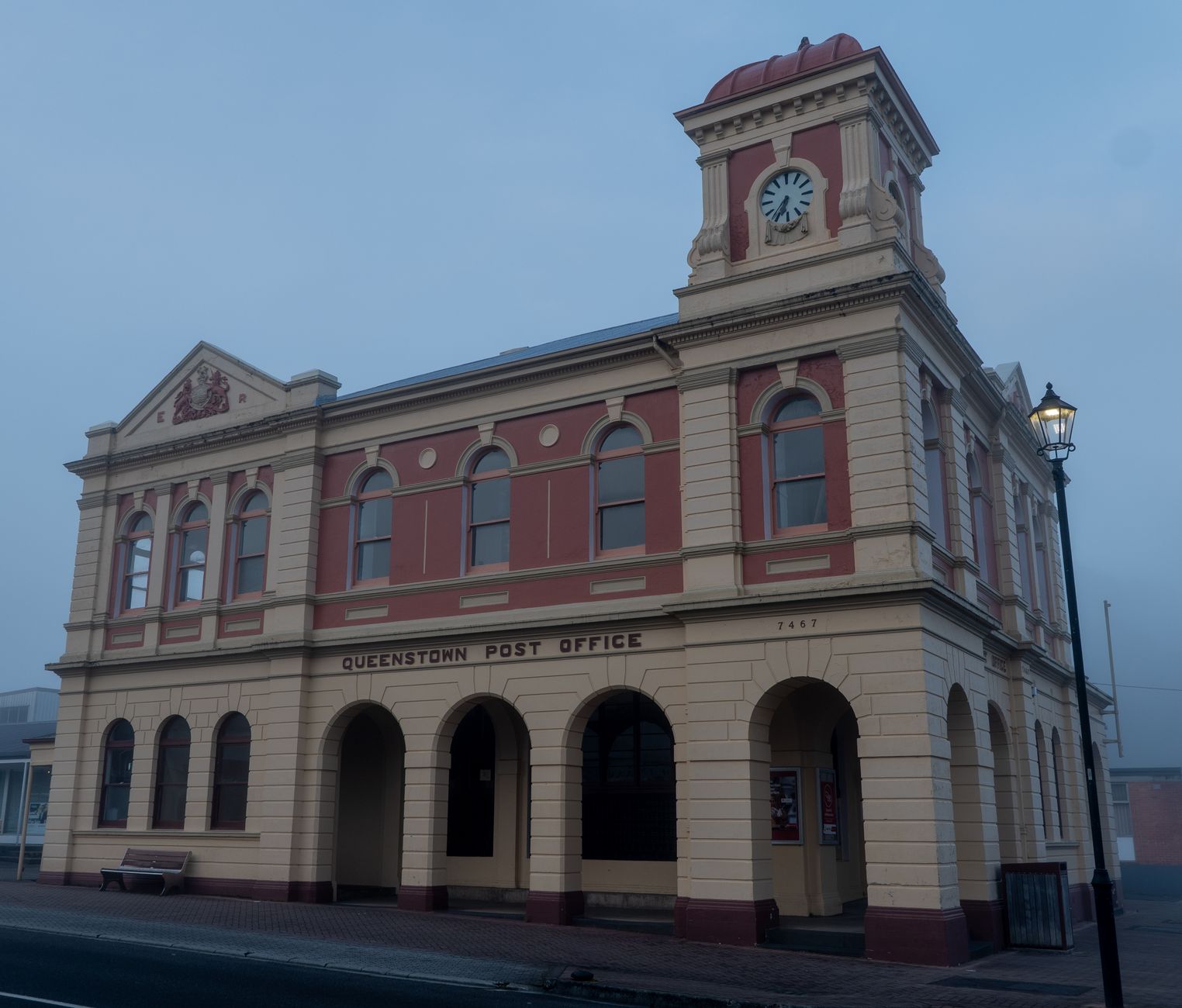
Tasmania's transformation into a global smart city hub has accelerated dramatically over the past 18 months, driven by unprecedented venture capital interest in government technology solutions. Since early 2025, the island state has attracted $2.3 billion in combined funding across digital infrastructure projects, positioning it as a leading centre for civic tech innovation in the Asia-Pacific region.
The momentum is particularly visible along Salamanca Quarter, where three major govtech startups have established regional headquarters. These companies are developing solutions for traffic management, water resource optimisation, and citizen engagement platforms-services increasingly critical for cities worldwide managing post-pandemic recovery and climate adaptation.
"The convergence of factors has been remarkable," explains the sector's growth trajectory. Tasmania's existing tech workforce, estimated at 14,000 professionals, combined with lower operational costs than Sydney or Melbourne, has created a compelling case for founders and institutional investors. A 2026 survey by the Tasmanian Technology Council found that 67% of surveyed govtech firms cited infrastructure quality and talent availability as primary reasons for expansion here.
Major funding rounds have validated the region's potential. In April 2026, a Melbourne-based consortium closed a $480 million Series C round for a platform managing municipal services across 23 Australian cities. The firm's headquarters remain in Hobart's CBD, a decision reflecting both cost economics and access to specialised engineering talent.
The investment cascade has extended beyond pure technology plays. Real estate values in the North Hobart precinct have risen 34% since 2024, reflecting demand from both international tech companies and supporting service providers. Commercial rents near Elizabeth Street have climbed to $650 per square metre annually-still 40% below comparable Sydney rates, but a significant shift for the local market.
Government backing has amplified private sector momentum. Tasmania's Department of State Growth allocated $180 million in 2025 toward digital infrastructure grants, specifically targeting projects addressing housing affordability, transport efficiency, and emergency response coordination. This public-private alignment has attracted larger institutional investors previously sceptical about regional govtech plays.
Yet challenges persist. Skills gaps in specialised areas-particularly machine learning and cybersecurity-remain acute, and regulatory frameworks governing data governance in government systems continue evolving. Competition from Singapore and Toronto's established govtech ecosystems shows no signs of diminishing.
Nevertheless, current trajectory suggests Tasmania's smart city ambitions rest on solid foundations. With pipeline projects valued at $1.8 billion and recruitment activity accelerating across major firms, the island's digital transformation story appears far from its closing chapter.
This article was compiled by AI and screened before publishing. See our editorial standards.