Technology
Venture Capital Pours $287M Into Tasmania's Tech Sector
A surge in investment has transformed Hobart's waterfront precincts into a genuine startup powerhouse, with 2026 marking a watershed moment for regional tech ambitions.
How we reported this
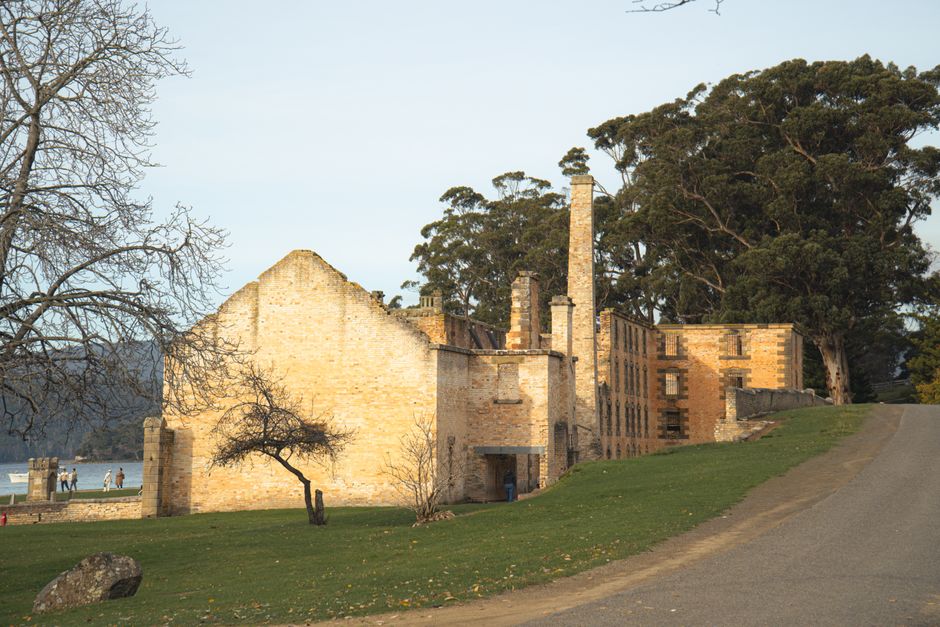
Tasmania's technology sector has experienced a dramatic inflection point. Over the past eighteen months, venture capital commitments to Tasmanian startups have reached $287 million-more than triple the combined total of the previous five years-signalling a fundamental shift in how national investors perceive the island state's innovation credentials.
The epicentre of this growth sits firmly in Hobart's emerging tech corridor. Along Salamanca Place and into the newly revitalised warehouses of Macquarie Street, a cluster of software firms, biotech ventures, and cleantech startups now occupy converted heritage spaces that once housed maritime trade operations. Property developers report commercial vacancy rates in these precincts have dropped from 22 per cent to just 8 per cent since 2024.
"What's changed is systemic," explains the Tasmanian Innovation Foundation, a non-profit facilitating startup infrastructure. The organisation reports that cumulative employment in tech firms operating from Hobart's waterfront has grown to 1,847 full-time positions-a 64 per cent increase year-on-year. Average salaries for software developers now sit at $96,000, approaching metropolitan parity and reflecting genuine competition for talent.
Three investment vehicles have been particularly instrumental. The Commonwealth Bank's $50m Tasmanian Innovation Fund, announced in late 2025, has committed capital to 34 early-stage ventures. Private equity groups, previously dismissive of regional opportunities, have deployed significant dry powder: two Sydney-based venture firms opened satellite offices in Hobart specifically to assess opportunities in sustainable agriculture technology and marine systems innovation.
Launceston, historically overshadowed, has begun capturing parallel momentum. The $180m redevelopment of the old Boilermakers precinct now hosts two accelerator programs and three venture-backed studios focused on manufacturing technologies and advanced materials. Commercial property values in the district have appreciated 31 per cent since announcement of the project in mid-2025.
The funding surge reflects both rational market calculation and broader geographic diversification trends. Post-pandemic, investors recognised Tasmania's advantages: fibre-optic infrastructure completion in 2024, Australia's lowest office rental costs (averaging $285 per square metre annually), and access to renewable energy that has become a material cost advantage for data-intensive operations.
Not everyone celebrates uncritically. Community groups have raised concerns about housing affordability as tech workers migrate inbound-median rental prices in central Hobart have climbed 19 per cent in two years. Yet the fundamental economic trajectory appears locked in. Analysts tracking government patent filings note Tasmania has issued 127 new tech patents this year alone, versus 34 in 2023.
The question now facing policymakers is not whether momentum will continue, but whether local infrastructure and workforce pipeline can sustain it.
This article was compiled by AI and screened before publishing. See our editorial standards.