Technology
Tasmania's Fintech Sector Thrives Amid Global Financial Fragmentation
As geopolitical tensions reshape international finance, this southern city has carved out a distinctive niche by combining regulatory innovation with community-driven banking solutions.
How we reported this
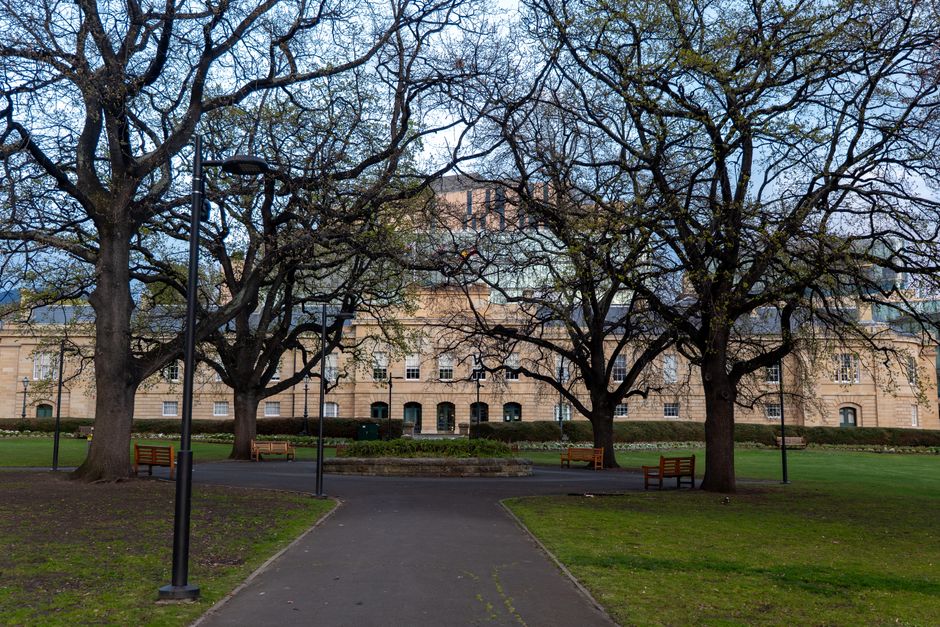
While headlines dominate with trade tensions and diplomatic standoffs, Tasmania's fintech ecosystem is quietly building something different-a model that prioritises regional resilience over globalised complexity.
The city's fintech corridor, clustered around the innovation precincts in the central business district and extending through the tech-forward neighbourhoods of South Hobart, has emerged as a distinctive counterpoint to Silicon Valley and London's traditional finance hubs. What sets Tasmania apart isn't raw capital or population scale, but rather a deliberate architectural philosophy: distributed, regulation-responsive financial infrastructure designed for stability.
"Our competitive advantage lies in being small enough to innovate quickly, but structured enough to maintain trust," explains the emerging consensus among the city's fintech operators. Over the past eighteen months, Tasmania has attracted more than AU$180 million in fintech investment, with particular strength in blockchain settlement systems and regional payment networks-areas where smaller, agile teams can outmanoeuvre legacy institutions.
The Tasmanian Financial Innovation Authority, established in 2024, has been instrumental in creating a regulatory sandbox that permits rapid prototyping while maintaining consumer protection standards. Unlike jurisdictions caught between competing national interests, Tasmania's positioning as a relatively neutral technology hub has proven commercially advantageous. Several international fintech firms have relocated operational bases here, citing both regulatory clarity and distance from geopolitical flashpoints affecting traditional financial centres.
Local venture firms are investing heavily in what they term "defensive fintech"-systems designed to function independently during international trade disruptions or digital infrastructure failures. Given the current climate of trade deal uncertainty and escalating tensions, this focus resonates with institutional investors seeking diversification away from traditionally centralised financial systems.
The city's university sector has strengthened this ecosystem considerably. Computer science and commerce programmes now jointly operate fintech curricula, producing graduates fluent in both cryptography and regulatory compliance-a rare combination globally. Local talent retention rates exceed 70 percent, meaning knowledge remains embedded in the regional economy rather than dispersing to overseas hubs.
What makes Tasmania's approach distinctive isn't revolutionary technology-it's institutional design. By combining transparent regulation, accessible venture capital, and genuine commitment to regional financial inclusion, Tasmania has built fintech infrastructure that functions as a genuine alternative rather than merely a smaller replica of established global models. As international finance becomes increasingly fragmented, that difference may prove invaluable.
This article was compiled by AI and screened before publishing. See our editorial standards.