Technology
Tasmania's Renewable Boom Risks Repeating Past Environmental Mistakes, Leaders Warn
While Tasmania positions itself as Australia's renewable energy hub, local sustainability leaders warn that the rush to go green risks repeating old mistakes in new forms.
How we reported this
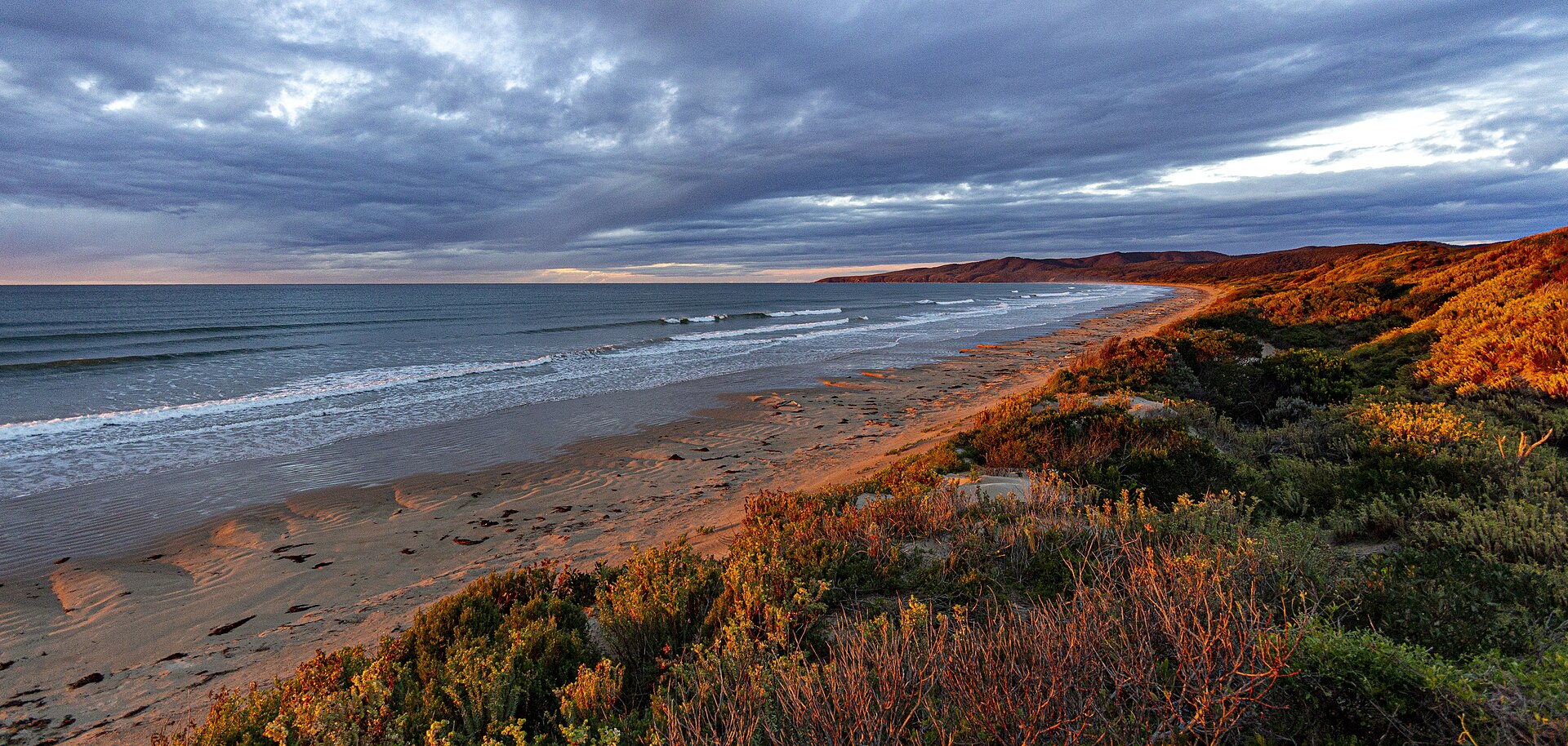
Tasmania's transformation into a clean energy powerhouse is gathering pace. The state's hydroelectric network already supplies renewable power to mainland Australia, and ambitious solar and wind projects across the Derwent Valley and King Island promise to cement its reputation as the nation's green technology leader. Yet beneath the enthusiasm, complex ethical and environmental questions are emerging that local policymakers and tech entrepreneurs are only beginning to grapple with.
The most pressing concern centres on supply chain ethics. While Hobart's growing cluster of green tech companies-concentrated around the University of Tasmania's Sandy Bay campus and emerging innovation hubs near Salamanca Place-tout sustainability credentials, many rely on rare earth minerals and lithium sourced from jurisdictions with questionable labour and environmental practices. Local procurement officers acknowledge the tension between cost efficiency and ethical sourcing, but concrete solutions remain elusive.
Energy storage presents another paradox. Battery technology critical to grid stability requires cobalt and nickel mining that often devastates local ecosystems in developing nations. Tasmania, which has championed environmental stewardship for decades, now faces uncomfortable questions about exporting its values while importing environmental damage elsewhere. Tech entrepreneurs working in the Launceston and Hobart corridors privately acknowledge this hypocrisy, but systemic change requires industry-wide standards that don't yet exist.
Water consumption poses a third challenge. Proposed manufacturing facilities for solar panels and battery components would demand substantial freshwater resources at a time when Tasmania's rivers face competing pressures from agriculture, industry, and climate change. The Tasmanian Environment Centre has raised concerns that green tech infrastructure could inadvertently compromise the natural systems that make the state attractive to such development in the first place.
Then there's the equity question. As clean energy investments flood into Tasmania, property values in areas like Battery Point and South Hobart have surged, pricing out working-class residents. The green economy boom risks becoming accessible only to affluent early adopters while communities dependent on traditional industries face uncertain futures.
None of this argues against pursuing clean energy ambitions. Rather, it suggests that Tasmania's tech leaders must move beyond celebratory narratives. The state has a genuine opportunity to model how green technology can be pursued responsibly-by interrogating supply chains, investing in circular economy solutions, protecting vulnerable workers and communities, and accepting that true sustainability requires compromises today for benefits tomorrow. That messier, more honest conversation is exactly what a mature tech ecosystem demands.
This article was compiled by AI and screened before publishing. See our editorial standards.