tech
Clean Energy Tech Tasmania: Inside Hobart's Battery Hub
Discover how Tasmania's 99% renewable grid is attracting clean energy innovators to the Battery Innovation Quarter, creating a collaborative ecosystem that rivals global tech hubs.
How we reported this
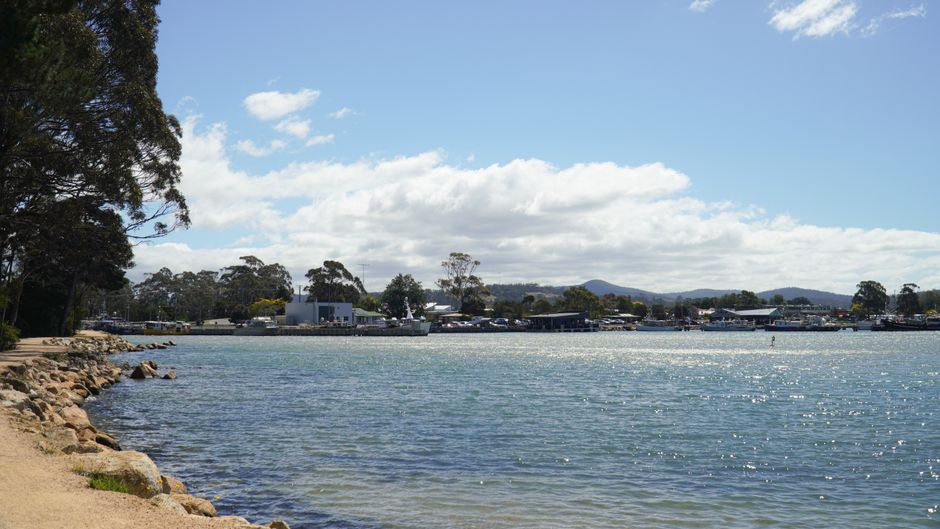
While Silicon Valley chases the next unicorn and London's fintech district dominates headlines, Tasmania has quietly emerged as something different: a living laboratory for clean energy technology that leverages the island state's 99% renewable electricity grid as both inspiration and infrastructure.
The distinction matters. When an Indian tech entrepreneur invests $30 million in building an AI alternative to Microsoft Office, or when electric vehicle manufacturers race to scale production, both are solving problems in energy-constrained environments. Tasmania doesn't have that constraint-it has the opposite problem, and it's turning that abundance into a competitive edge.
Companies clustered around the Battery Innovation Quarter in Hobart-stretching from the Docklands precinct through to the Advanced Manufacturing Hub in nearby Glenorchy-operate with immediate access to cheap, clean power that startups elsewhere can only dream of. This removes a fundamental friction point from hardware development and testing. A clean tech company prototyping advanced battery systems or renewable energy storage solutions can iterate rapidly without watching their power bills skyrocket. That's not trivial when you're burning through kilowatt-hours during R&D phases.
But infrastructure alone doesn't create an ecosystem. What makes Tasmania distinctive is its collaborative density. Unlike sprawling tech hubs where companies guard intellectual property fiercely, the local scene has cultivated surprising transparency. Research institutions like the University of Tasmania's Institute for Marine and Antarctic Studies (IMAS) partner directly with private ventures on sustainable fisheries technology. The Tasmanian Government's Clean Energy Council actively convenes competitors and complementary businesses, recognizing that rising tide dynamics work in Tasmania's favor-the more clean tech companies that succeed here, the more talent migrates to the state, the stronger the ecosystem becomes.
This model reflects Tasmania's geographic reality. The island's relative isolation has historically been an economic disadvantage. But in an era when remote collaboration is standard and supply chains are shortening, that isolation becomes irrelevant while the talent concentration becomes an asset. Engineers considering relocation choose Hobart not because venture capital is cheaper-it isn't-but because they want to work on problems that matter, with colleagues who aren't optimizing for the next exit event.
Real estate around the Waterfront precinct reflects this shift, with conversion of heritage buildings into office space for cleantech companies now commanding premium rents that would have seemed impossible five years ago. The visible infrastructure investment from both public and private sectors signals confidence that this isn't a temporary trend.
As global attention intensifies on decarbonization, Tasmania's distinctive advantage isn't capital or market size. It's an ecosystem built on renewable abundance, collaborative transparency, and a shared belief that sustainable technology requires patient capital and genuine partnership. In a world obsessed with hypergrowth, that's remarkably rare.
This article was compiled by AI and screened before publishing. See our editorial standards.