community
Wastewater tracker proposal stalls as Launceston battles undertreated sewage discharge
The city is absorbing more than half the state's sewage treatment failures, but council has shown no appetite for monitoring the problem.
How we reported this
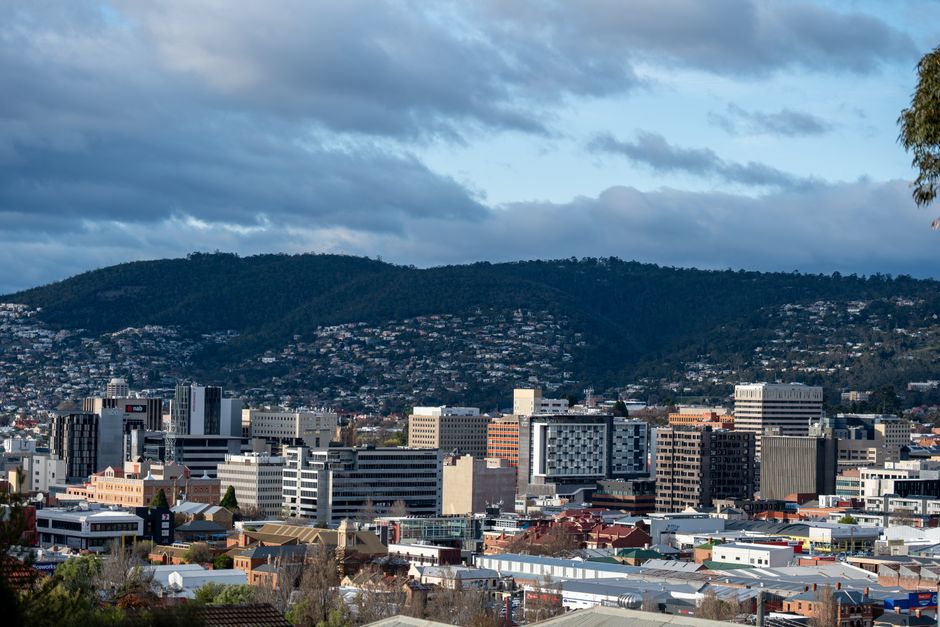
Launceston residents are living above a wastewater crisis that has gone virtually unmonitored. According to the Examiner, the city accounts for 62 per cent of Tasmania's undertreated sewage discharge, with 365 million litres of substandard effluent flowing into the Tamar and Gorge waterways. Yet when a proposal for a real-time tracking system emerged, council showed no interest.
The scale of the problem is staggering. Local waterways that residents fish, swim and boat in are bearing the brunt of treatment failures that would be visible and costly to address. For a city that depends on clean water for both quality of life and environmental reputation, the lack of transparency around where and when discharge occurs represents a significant governance gap.
The absence of a tracker means neither council, residents nor environmental advocates have clear data on which events constitute failures, when they occur, or how to prevent them. Without this information, it becomes nearly impossible to plan upgrades, hold service providers accountable, or warn the public about water quality. For Launceston businesses dependent on the Tamar's reputation-tourism, hospitality, food production-the uncertainty is a quiet threat to their future.
Sources: examiner.com.au, examiner.com.au.
This article was compiled by AI and screened before publishing. See our editorial standards.