Every weekend, tour buses deposit hundreds of visitors at kunanyi/Mt Wellington's carpark. Few venture further. Meanwhile, locals know something the guidebooks don't: some of Tasmania's most restorative walks sit quietly in suburbs most tourists never reach.
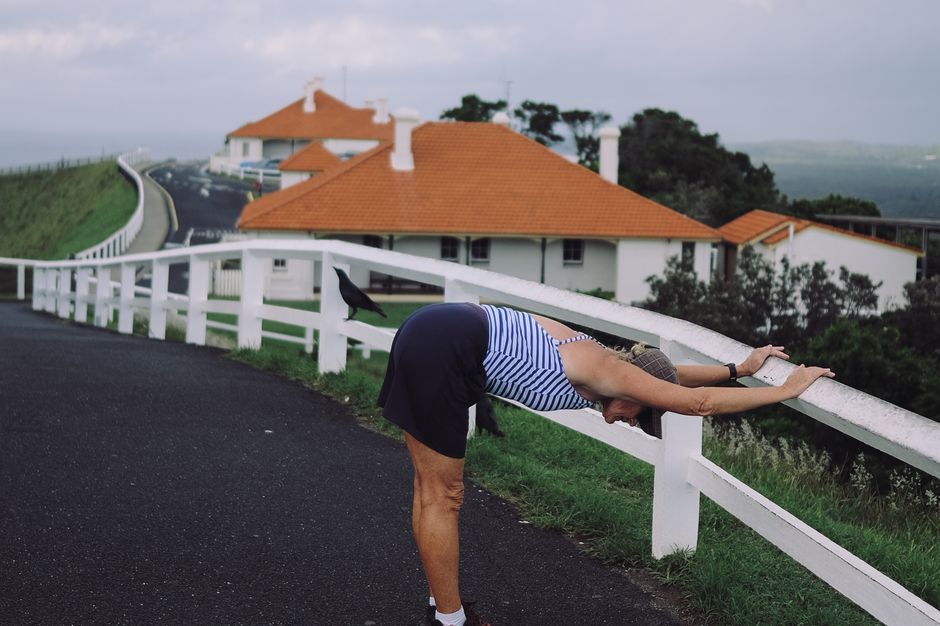
Take Knocklofty Reserve in South Hobart. Nestled behind the suburb's residential streets, this 92-hectare woodland offers a network of gentle trails through native forest—many runners use the loop as a free alternative to gym fees. The main circuit takes 40 minutes at a comfortable pace, with views across the Derwent River and zero entry cost. Parking is available on the street near the reserve entrance on Knocklofty Terrace.
Or consider the Ridgeline Trail system along the Hobart waterfront's less-explored northern reaches. While parkrun participants congregate at the official Saturday morning event (registration free via parkrun.com.au), the wider network stretching toward the Montagu Bay area offers solitude with the same fresh riverside air. The 5km loop works well for those building stamina without the social pressure of organised events.
North of Hobart, Fern Tree Gorge Reserve in Fern Tree is where locals escape on humid afternoons. The shaded walk follows a creek through cool fern gullies—nature's air conditioning. At just 2km return, it's achievable for most fitness levels, yet rarely crowded. The reserve entrance sits on Mountain Road; parking is limited but rarely full outside peak hours.
For those seeking longer immersion, the Lenah Valley walking trails weave through regenerating forest behind the suburb's quiet streets. Several local health coaches recommend this area for clients building aerobic fitness in low-humidity conditions. The trails connect to larger networks, so you can customize your distance.
UTAS research has consistently shown that nature exposure—even 20 minutes weekly—reduces cortisol levels and improves mood markers. These local spots deliver that benefit without the $10–15 parking fees or competitive atmosphere that sometimes deters casual walkers.
The real secret? These walks are busiest on weekday mornings and quietest between 10am–3pm on weekdays, when locals with flexible schedules enjoy uninterrupted time in clean air surrounded by native trees. Bring water, wear supportive shoes, and check Parks and Wildlife Tasmania's website for any seasonal closures.
Hobart's wellness culture thrives on accessibility. These hidden walks prove that sometimes the best fitness investment is a short drive to your local reserve—and the gift of time in nature, free.
This article was compiled by AI from the sources linked above and screened before publishing. See our editorial standards.