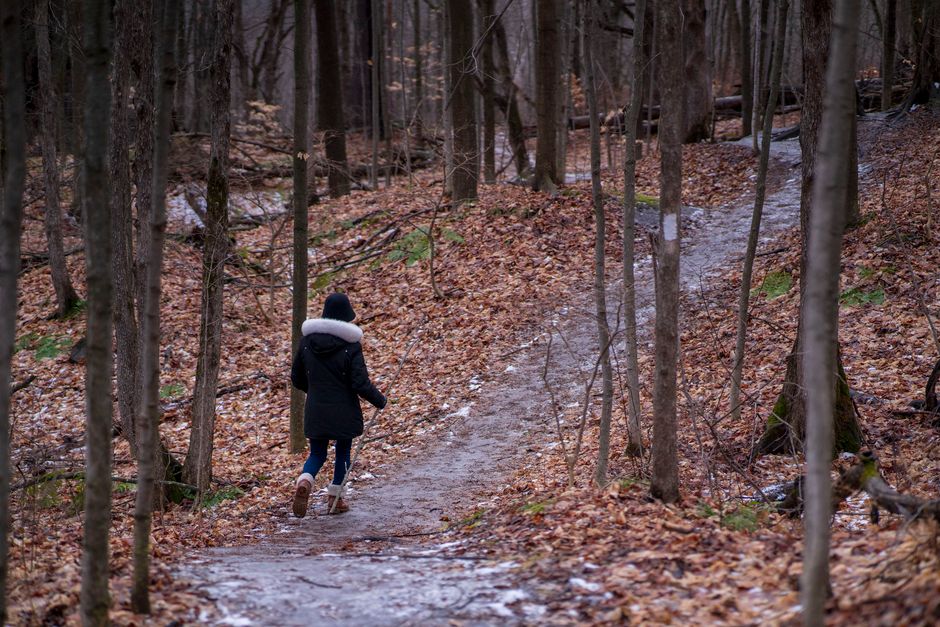
Ask a Hobart visitor where to walk, and they'll likely head straight to kunanyi/Mt Wellington or the Waterfront. But locals know something better: a network of lesser-known nature trails that deliver the same fitness benefits and fresh-air wellness without the crowds.
Take the Organ Pipes Track near Bellingham Crescent in South Hobart. This 1.5-kilometre loop climbs through eucalyptus forest to dramatic dolerite columns, offering a genuine cardiovascular workout in under an hour. It's steep enough to build leg strength—exactly the kind of functional fitness experts now recommend—but quiet enough that you'll hear only native birds overhead. Most visitors never venture beyond the main carpark on Pinnacle Road, missing this gem entirely.
Similarly, the Knocklofty Reserve circuit, accessed from the Cascade Road area, provides three linked walking routes ranging from 30 minutes to 90 minutes. Locals favour the shortest loop on weekday mornings, arriving before 8 a.m. when the canopy is alive with activity. There's no entry fee, and the shaded trails keep temperatures manageable even during Tasmania's warm months.
Further north, Sandy Bay residents regularly use the Taroona Track near the Shot Tower Historic Site. This clifftop walk pairs coastal views with native coastal vegetation and genuine solitude. At just $5 per car park entry (or free if you arrive before 10 a.m.), it's accessible without the premium pricing of commercial fitness facilities.
What makes these walks so valued by locals? Consistency. A Hobart Waterfront parkrun participant commented recently that mixing structured fitness with unstructured nature walking keeps routine from becoming stale. These hidden trails serve exactly that role—they're where people move their bodies without feeling they're exercising.
The wellness benefits are real. Walking on variable terrain strengthens stabiliser muscles that gym equipment often misses. The elevation gains build cardiovascular endurance. And the psychological benefits—quiet reflection, connection to native forest, the absence of commercial pressure—align with what UTAS health researchers have documented about Tasmania's natural environment supporting mental wellbeing.
For fitness-focused locals, the strategy is simple: alternate between structured activities (parkrun, gym sessions) and these neighbourhood trails. The result is a sustainable, zero-cost wellness routine that keeps both body and mind engaged.
Plan to visit during early morning or weekday hours for the quietest experience. Bring water and sturdy footwear—terrain varies, and Tasmania's weather can shift quickly. And keep these spots close to your chest; the best part about hidden walks is that they stay hidden.
This article was compiled by AI from the sources linked above and screened before publishing. See our editorial standards.