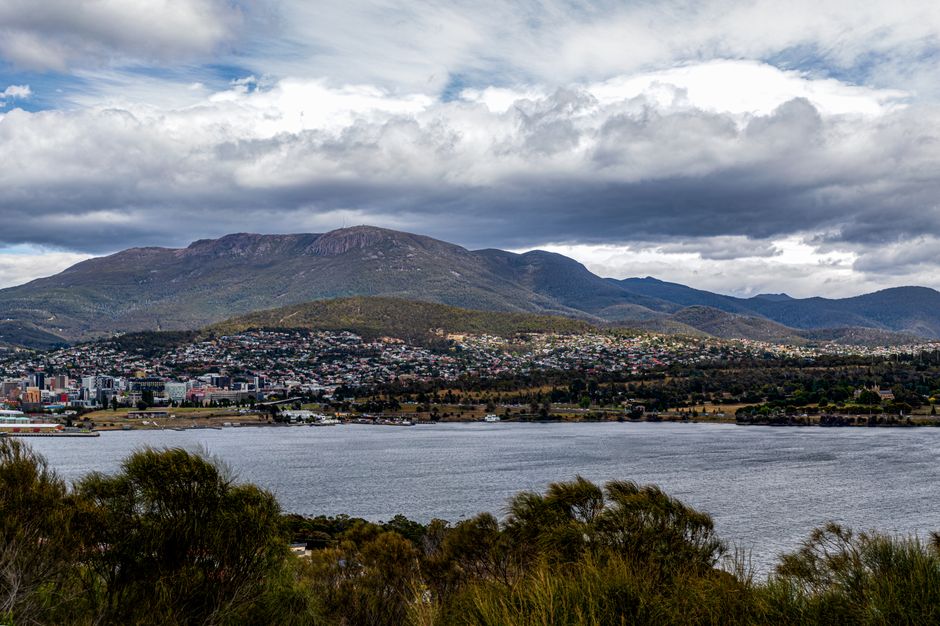
Cold water therapy has moved from fringe recovery method to mainstream wellness practice, with growing evidence supporting its benefits for physical and mental health. Whether you're a keen kunanyi/Mt Wellington hiker or a regular at Hobart Waterfront parkrun, understanding how cold exposure works could optimise your training and recovery.
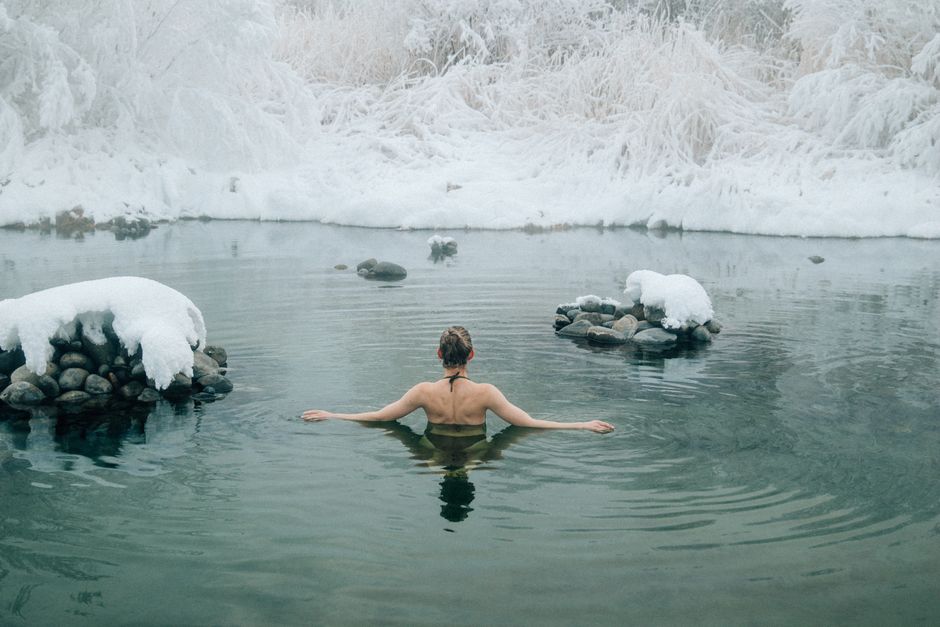
When you immerse yourself in cold water—typically between 10–15°C for ice baths, or colder for contrast therapy—your body triggers the parasympathetic nervous system after the initial shock subsides. This activation reduces inflammation, improves circulation, and may enhance mood through increased endorphin production. Local strength coaches and physiotherapists across South Hobart and Launceston increasingly recommend cold water therapy for athletes recovering from intense training sessions.
Research from UTAS's health and exercise science programs has contributed to understanding cold water's effects on muscle soreness and immune function. Short exposures—typically 2–5 minutes—appear most effective for reducing delayed-onset muscle soreness (DOMS) without triggering prolonged stress responses. The key is consistency: regular cold water sessions may build tolerance and amplify benefits over time.
For Tasmanians without dedicated ice bath facilities, natural options abound. The pristine waters around Nutgrove Beach and Blackmans Bay regularly sit between 12–16°C, offering genuine therapeutic exposure without commercial costs. A 3–5 minute winter swim carries similar recovery benefits to a home ice bath, though safety protocols—swimming with a buddy, checking conditions, and knowing your limits—are essential. Never attempt cold water therapy alone.
If you're considering a dedicated setup, portable ice baths typically range from $800–$3,500 installed. More affordable alternatives include cold showers (free) or alternating hot-cold contrast therapy using your home bathroom. Local wellness studios in Hobart's CBD have begun offering guided ice bath sessions ($45–$60 per session), combining professional supervision with expert guidance.
The benefits extend beyond muscle recovery. Regular cold exposure may strengthen immune function, reduce anxiety, and improve sleep quality—though individual responses vary significantly. Athletes training for summer hiking season or returning to parkrun after winter often report faster perceived recovery and improved mental resilience.
Starting conservatively matters. Begin with 30-second cold showers, gradually increasing duration as your body adapts. Always consult your GP before beginning cold water therapy, particularly if you have cardiovascular conditions or take medications affecting temperature regulation. Tasmania's natural cold water environment offers a unique advantage—but respect the ocean's power, and prioritise safety above all.
This article was compiled by AI from the sources linked above and screened before publishing. See our editorial standards.