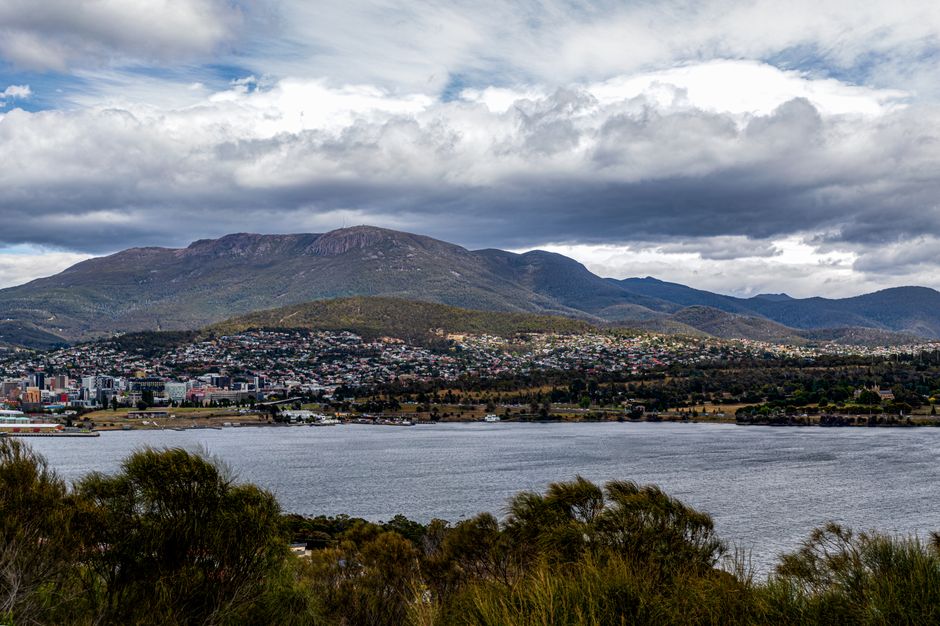
Muscle twitches during your Saturday morning parkrun at the Hobart Waterfront. Trouble sleeping despite Tasmania's famously clean air. An unexplained heaviness in your legs after a kunanyi summit attempt. These seemingly unrelated symptoms could all point to one nutritional gap: magnesium deficiency.
Magnesium is essential for muscle function, energy production, and nervous system regulation. Yet many Tasmanians aren't getting enough. The mineral supports over 300 biochemical reactions in your body, and a shortfall can manifest as muscle cramps, fatigue, headaches, anxiety, and poor sleep quality—issues that become especially noticeable if you're active outdoors.
Common signs of deficiency
Beyond muscle twitches, watch for persistent fatigue that doesn't improve with rest, irregular heartbeat sensations, difficulty concentrating, and mood changes. If you've noticed these creeping in, magnesium could be worth investigating with your GP. The Tasmanian Health Service clinics across Hobart's suburbs—from Sandy Bay to Glenorchy—can provide baseline assessments.
Food sources closer than you think
Rather than reaching for supplements immediately, Tasmania's clean-eating culture offers excellent natural sources. Dark leafy greens top the list: spinach, kale, and silverbeet thrive in Tasmanian gardens and appear regularly at local farmers markets. A cup of cooked spinach contains roughly 157mg of magnesium—over a third of the recommended daily intake for adults (310–420mg depending on age and sex).
Nuts and seeds are equally valuable. Almonds, cashews, and pumpkin seeds are widely available at Hobart's independent grocers and supermarkets, typically costing $8–12 per 200g packet. A small handful of almonds delivers about 80mg. Whole grains—including Tasmanian-grown oats—provide steady magnesium alongside fibre, while legumes like chickpeas and lentils offer both magnesium and protein for around $2 per tin.
Fish, particularly salmon and mackerel from our southern waters, supplies magnesium along with omega-3 fatty acids. Even humble chocolate contains meaningful amounts; a 30g serve of dark chocolate (70% cocoa or higher) provides roughly 50mg.
A practical starting point
Rather than overhauling your diet overnight, add one magnesium-rich food to each main meal: spinach in breakfast eggs, almonds as a snack, and salmon or legumes at dinner. Within weeks, you may notice improved sleep quality and fewer muscle cramping episodes—particularly valuable if you're planning regular summit hikes or waterfront workouts.
If symptoms persist after dietary adjustment, consult your GP before considering supplements, as individual needs vary significantly.
This article was compiled by AI from the sources linked above and screened before publishing. See our editorial standards.