Margaret, 74, lives in Kingston and hasn't attended her annual health check in two years. Not because she doesn't want to—but because her local medical clinic moved to Hobart CBD, and the journey by public transport now takes 90 minutes each way. Her story is quietly common across Tasmania, where transport barriers quietly undermine the wellness gains older adults work hard to achieve.
Active ageing isn't just about walking kunanyi/Mt Wellington or joining the Hobart Waterfront parkrun. It's about whether a senior can actually reach their GP, physiotherapist, or exercise class without exhausting themselves beforehand.
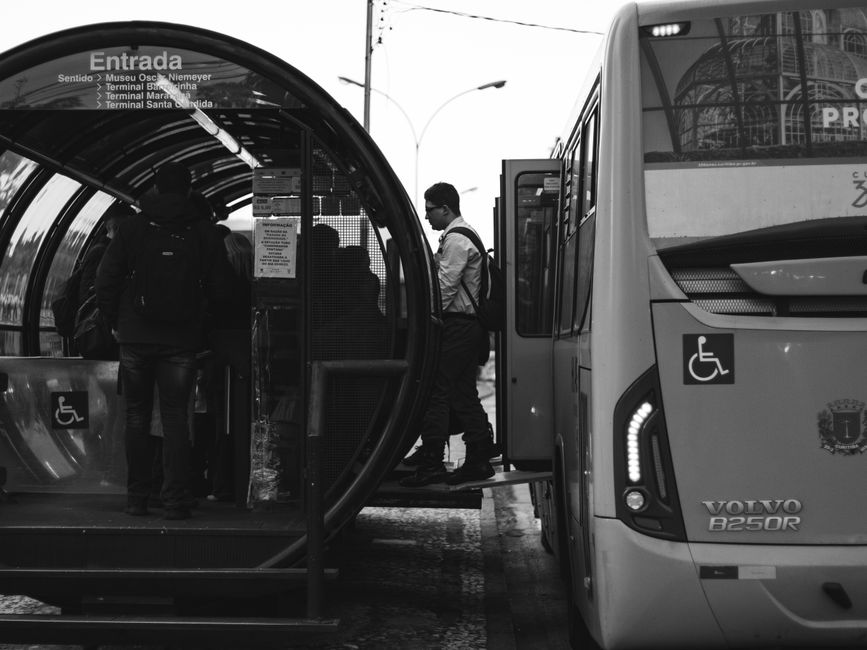
Tasmania's transport landscape poses real challenges. Metrobus single fares in Greater Hobart cost $3.50 for adults, with most seniors eligible for concessions bringing the cost to around $1.75 per trip. But for those on aged pensions, multiple journeys add up. A weekly appointment cycle—GP visit, pharmacy, physiotherapy—can exceed $25 in transport costs.
Rural areas face steeper obstacles. Residents in Cygnet, Orford, or Kingston often depend on infrequent services or private transport. When the nearest specialist is in Hobart, a single appointment may involve several hours of travel for a 15-minute consultation.
The wellness implications are measurable. UTAS health research consistently shows that transport insecurity correlates with delayed healthcare, reduced physical activity participation, and social isolation—all accelerators of decline in older age.
Some solutions are emerging. The Tasmanian Government's Home and Community Care (HACC) program includes transport assistance for eligible seniors attending medical appointments. Local community centres in suburbs like Glenorchy and Launceston offer subsidised exercise classes with volunteer transport coordination. The Hobart Waterfront parkrun remains free and accessible by public transport, though not all suburbs enjoy similar proximity to activity hubs.
What's needed is clearer integration: GP practices informing patients about transport subsidies, aged care planners factoring travel time into wellness goals, and transport providers designing routes that genuinely connect seniors to health services, not just city centres.
Active ageing isn't a personal choice made in isolation. It's built on whether someone can afford to get there, whether the journey is physically manageable, and whether their destination is actually reachable. For many Tasmanian seniors, that's still the barrier that matters most.
For transport assistance eligibility or local healthcare access support, contact your local Community Health Centre or call the Tasmanian Government's Seniors Information Line.
This article was compiled by AI from the sources linked above and screened before publishing. See our editorial standards.