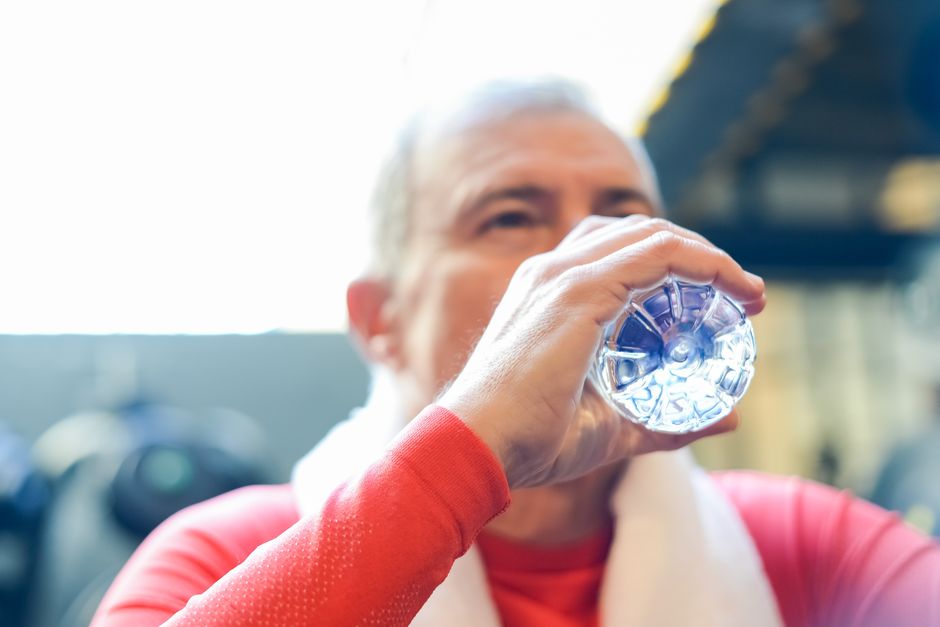
Tasmania's reputation for cool, crisp air can be deceptive. While our winters are mild compared to mainland Australia, summer temperatures regularly climb into the high 20s, and inland areas around New Norfolk and the Central Highlands reach the low 30s. Combined with our famously dry conditions and unpredictable weather patterns, understanding hydration becomes crucial for anyone living here or visiting our natural attractions.
The general rule—drink eight glasses of water daily—doesn't account for Tasmania's specific climate. Dr Emily Chen, a sports scientist at UTAS, notes that Tasmanian summers, while shorter, demand active hydration strategies. "Our air is drier than many assume," she explains. "Even at moderate temperatures, you're losing more fluid than you realise."
If you're hiking kunanyi/Mt Wellington or exploring parks around Sandy Bay, aim for 500ml of water per hour of activity, increasing to 750ml on warmer days. A bottle of water at Coles or Woolworths in South Hobart costs around $2.50; investing in a reusable bottle pays dividends. The Hobart Waterfront parkrun (every Saturday at 8am) attracts hundreds of locals who recognise that hydration begins before exercise, not during.
But what should you drink? Water remains the gold standard for everyday hydration and low-intensity activity. For activities exceeding 60 minutes—say, a longer walk through the Strickland Reserve near Glenorchy—a sports drink containing 4–8% carbohydrates and electrolytes helps maintain performance. Options like Gatorade or Powerade are available at most local supermarkets for $2–3 per bottle, though homemade alternatives (juice diluted with water and a pinch of salt) work equally well.
Tasmania's clean air and thriving food culture mean many locals embrace whole-food hydration too: watermelon, cucumber, and leafy greens contribute 15–20% of daily fluid intake for people eating seasonally. During winter, warm herbal teas—caffeine-free varieties especially—support hydration without the diuretic effect of coffee.
Individual needs vary. Body weight, fitness level, and humidity all matter. A 70kg person needs roughly 2–3 litres daily under normal conditions; active individuals or those in air-conditioned offices may need more. Dark urine signals dehydration; pale yellow indicates adequate intake.
Whether you're commuting from Launceston, exploring the Southwest, or climbing Weld Street in Hobart, start hydrating early, carry a bottle, and adjust intake based on activity and weather. Your body will thank you.
Always consult your GP if you have concerns about hydration or health. This article provides general wellness guidance only.
This article was compiled by AI from the sources linked above and screened before publishing. See our editorial standards.