Our reporters are based in Tasmania and cover local government, business and community. We are independently owned and editorially independent. Read our editorial standards →
Over the past three years, outdoor boot camps have quietly become one of Tasmania's fastest-growing fitness trends. What started as a handful of early-morning sessions in Hobart's Hyde Park has evolved into a diverse ecosystem of structured group workouts spanning Launceston, Devonport, and regional areas. For newcomers considering joining, understanding what these sessions actually involve—and what to prepare for—can make the difference between showing up once and becoming a regular.
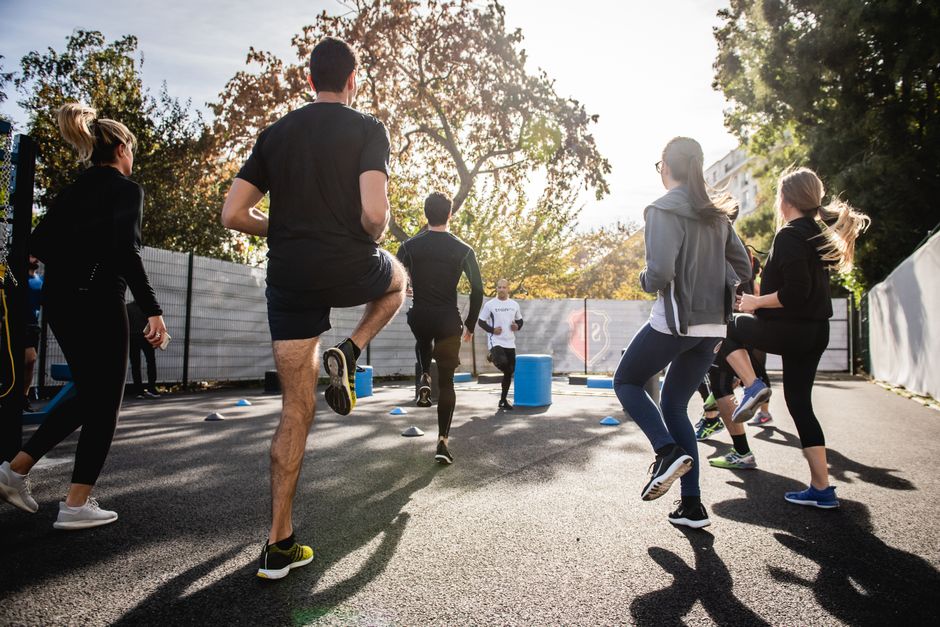
Outdoor boot camps typically blend high-intensity interval training (HIIT) with bodyweight exercises, resistance drills, and functional movements. Sessions usually run 45–60 minutes, often held before work or in early evenings when temperatures are manageable. Unlike commercial gym classes, there's minimal equipment: think cones, resistance bands, and medicine balls. The Waterfront precinct and surrounding neighbourhoods like South Hobart have become natural hubs, partly because of flat, accessible terrain and the psychological lift of exercising near water.
What appeals to participants, according to local fitness providers, is the combination of structure and community. In a state where isolation can be a genuine challenge, especially in winter months, scheduled group sessions create accountability. The social aspect matters as much as the physical one—regular participants report that the camaraderie keeps them showing up when motivation dips.
Practically speaking, beginners should expect progressive scaling. Most reputable operators offer modifications for different fitness levels within the same session. You'll typically warm up, move through 3–5 exercise blocks (often circuit-style), and cool down with stretching. Bring water, wear weather-appropriate clothing in layers (Tasmania's weather remains unpredictable even in summer), and footwear with decent grip. Sessions cost between $15–20 per class, or around $80–120 monthly for regular attendees. Some community organisations, including those affiliated with UTAS health initiatives, occasionally offer subsidised sessions.
The rise reflects broader shifts in how people view fitness post-2024. Smaller, more frequent exercise doses—a theme echoed in recent expert commentary—suit outdoor boot camps well: they're time-efficient and don't require long recovery periods. For those accustomed to treadmills or yoga studios, the outdoor element itself offers unexpected benefits: fresh air, natural light exposure, and variable terrain that engages stabiliser muscles.
Before committing, try one session. Most organisers welcome drop-ins, and watching from the sidelines for five minutes gives you a genuine sense of pace and intensity. kunanyi hikers and Waterfront parkrunners often find boot camps complement their existing routines rather than replace them. The key is finding a session timing and location that fits your schedule—consistency beats intensity every time.
This article was compiled by AI from the sources linked above and screened before publishing. See our editorial standards.