wellness
Tasmanians discover 5 gut-boosting fermented foods in local markets
From Salamanca Place to the Huon Valley, Tasmanians have quieter access to some of Australia's best gut-friendly fermented foods, and the science behind eating them is getting harder to ignore.
How we reported this
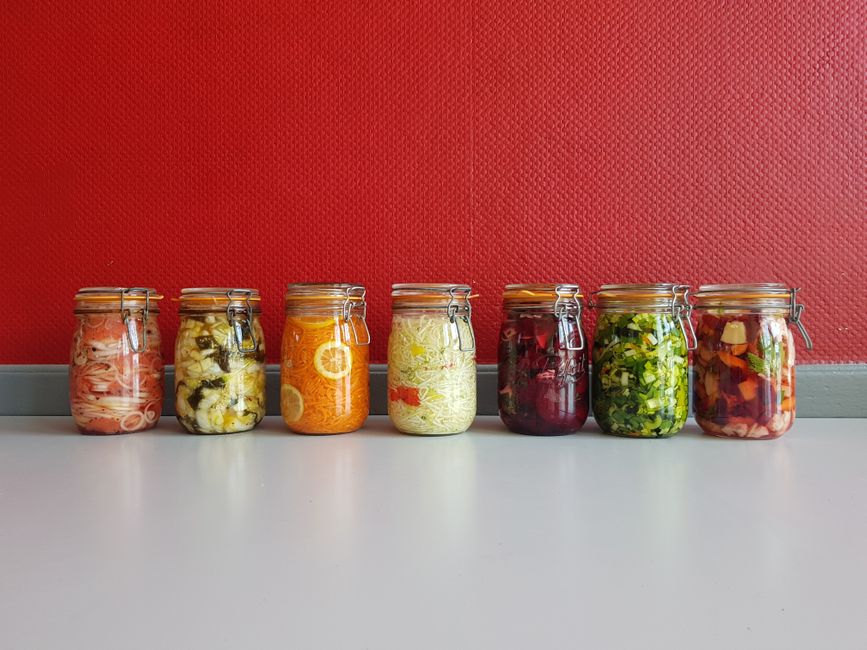
The gut health conversation has moved well past kombucha on a café menu. Researchers at the University of Tasmania's Menzies Institute for Medical Research have been tracking connections between the gut microbiome and chronic disease for several years, and the practical upshot for everyday eaters is simple: fermented foods, consumed regularly, appear to support a more diverse gut bacterial population. That diversity is increasingly linked to better immune function, mood regulation and metabolic health.
Interest in fermented foods has accelerated since mid-2025, when the Australian Dietary Guidelines review flagged fermented dairy and vegetables as foods warranting closer attention in future guidance. For Tasmanians, that timing is useful, the island already produces some exceptional raw materials for fermentation, and a small but serious local industry has quietly built up around them.
What's on the shelf, and where to find it
Salamanca Market, which runs every Saturday morning on Salamanca Place in Hobart, is probably the most concentrated single source of locally made fermented products in the state. Stalls there regularly stock lacto-fermented krauts and kimchi made with Huon Valley brassicas, raw apple cider vinegar from orchards around Grove, and small-batch kefir produced from Tasmanian milk. Prices for a 500ml jar of fermented vegetables typically sit between $12 and $18, which is steep compared to supermarket pickled options, but those commercial products are almost always heat-pasteurised, a process that kills the live bacterial cultures that deliver the microbiome benefit.
The Agrarian Kitchen Eatery at New Norfolk, about 38 kilometres north-west of Hobart, has built fermentation into its kitchen philosophy since reopening its expanded venue in 2023. Its menu regularly features house-fermented condiments and cultured dairy, and the associated cooking school runs occasional workshops specifically on home fermentation, the next scheduled intake is in August 2026. For people in Launceston, the Farm Gate Market on Cimitiere Street stocks fermented products from several northern producers, including unpasteurised miso made from Tasmanian-grown soybeans.
Supermarkets are catching up, slowly. Woolworths and Coles stores across Hobart and Launceston now stock refrigerated miso paste, live-culture yoghurt, and a handful of kombucha brands alongside the standard pickled offerings. The key distinction when shopping is refrigeration and labelling: products that contain live cultures must be kept cold and will typically state "contains live and active cultures" on the label. Room-temperature kimchi or sauerkraut in a sealed jar almost certainly won't deliver the same bacterial benefit.
What the evidence actually says
A Stanford University study published in Cell in 2021, still the most cited piece of clinical evidence in this space, found that participants who ate a high-fermented-food diet for ten weeks showed a 19 percent increase in gut microbiome diversity and a measurable reduction in 19 inflammatory proteins. The sample was small at 36 participants, and researchers were careful not to overclaim. But the signal was strong enough that subsequent research, including work involving Australian cohorts, has largely supported the finding.
Gut health is not a cure for anything. People managing conditions like irritable bowel syndrome, inflammatory bowel disease or SIBO should talk to a gastroenterologist or an Accredited Practising Dietitian before significantly changing their diet, Hobart's Royal Hobart Hospital gastroenterology outpatient service, and private dietetics practices including those operating through the Dietitians Australia Tasmania network, are the appropriate first stops. For generally healthy adults, though, adding one or two servings of live-culture fermented food per day is a low-risk dietary adjustment with a reasonable evidence base behind it.
The practical starting point is straightforward. Buy a jar of refrigerated sauerkraut or natural yoghurt with live cultures. Eat a small amount daily, a tablespoon or two alongside a meal, for four to six weeks and assess how you feel. If you want to go further, the Agrarian Kitchen's August workshop costs $195 per person and covers sourdough, krauts and simple dairy ferments from scratch. The Huon Valley's growing season means local vegetables for home fermentation are cheapest and most abundant between March and June, so winter is actually good timing to start a habit that could last well beyond it.