wellness
Mindfulness in schools: what local programs are available
From Hobart's inner suburbs to the Huon Valley, Tasmanian schools are quietly rolling out structured mindfulness programs, and the evidence suggests students are better for it.
How we reported this
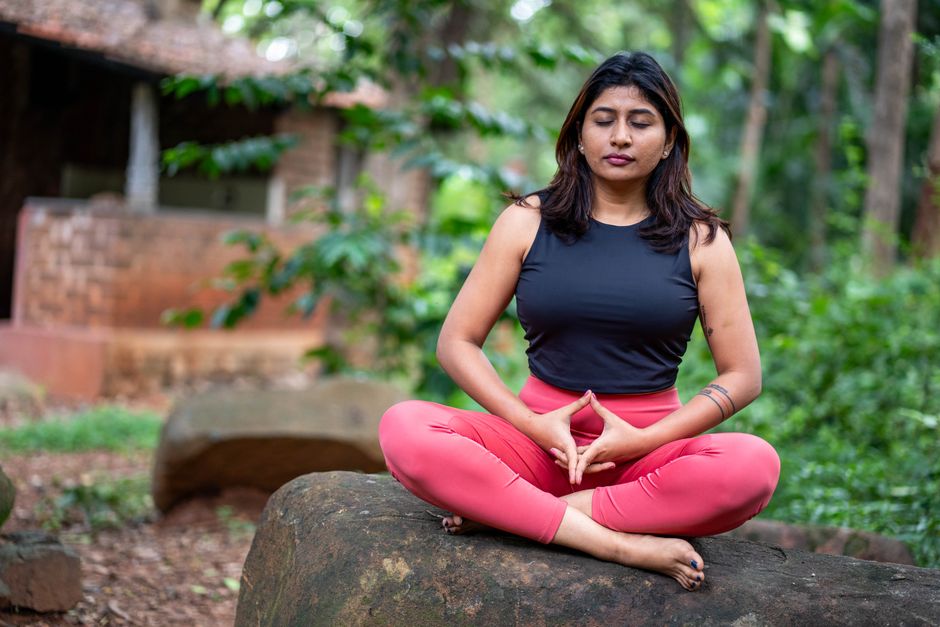
Tasmanian primary and secondary schools are expanding access to formal mindfulness and meditation programs, with at least a dozen state schools now running structured in-class sessions as part of their wellbeing curricula. The push has accelerated since the Department of Education's 2025 Student Wellbeing Framework was updated to include explicit social-emotional learning benchmarks, giving schools both the mandate and, in some cases, the funding to act.
The timing is not accidental. Adolescent mental health data collected by the Australian Institute of Health and Welfare shows roughly one in seven Australian children aged four to 17 experienced a mental disorder in the most recent reporting period, a figure that has barely shifted despite years of investment in traditional counselling services. School-based mindfulness is increasingly seen by educators and researchers as a scalable complement to clinical support, particularly in regional and rural communities where waiting lists for child psychologists can stretch to six months or more.
What's actually running in Tasmanian classrooms
Hobart's Fern Tree Primary School, nestled at the foot of kunanyi/Mt Wellington, has been running a ten-week mindfulness program called Smiling Mind with Years 3 and 4 students since Term 1 this year. The program, developed by the Melbourne-based not-for-profit of the same name, delivers age-specific guided breathing and body-scan exercises through a free app, requiring no specialist teacher training beyond an initial two-hour online orientation. Staff at the school have integrated short five-minute sessions into the daily morning routine before core literacy blocks.
Further south, Huonville High School on the Huon Highway introduced a Year 7 and 8 elective called Mindful Foundations in 2025, built around an eight-session curriculum developed in partnership with the University of Tasmania's School of Medicine. UTAS researchers attached to the Menzies Institute for Medical Research have been tracking student self-reported stress and attention scores across the program, preliminary findings presented at a May 2026 Hobart symposium suggested a 23 percent reduction in self-reported anxiety symptoms among participating students after completing the full eight sessions.
The Hobart Steiner School on Nelson Road, Ridgeway, has taken a different approach entirely. Meditation has been woven into the Waldorf curriculum since the school's founding, with older students from Class 6 upward practising structured verse recitation and contemplative movement exercises each morning. Parents there tend to cite it as one of the school's defining features rather than a new wellness initiative.
Costs, access and what parents can do
Access is uneven. The Smiling Mind app itself is free for schools and families, and the organisation has distributed materials to more than 220 Tasmanian schools since 2020. But more intensive programs carry costs. A full-year licence for the MindMatters framework, a federally funded mental health initiative designed for secondary schools, runs around $1,200 per school annually, a figure that some smaller rural schools have struggled to absorb without grant support.
Parents curious about what their child's school offers can request a copy of the school's wellbeing plan, which all Tasmanian government schools are required to publish under Department guidelines updated in February 2025. Those plans typically outline any formal social-emotional learning programs in use. The Hobart Waterfront parkrun community, which draws several hundred participants to Franklin Wharf most Saturday mornings, has also begun hosting informal post-run mindfulness circles on the last Saturday of each month, a low-barrier entry point for families wanting to explore the practice together outside school hours.
For parents who want their children to go deeper, the Hobart Buddhist Centre on Murray Street runs a free introductory meditation session on Tuesday evenings open to ages 14 and up with a guardian present. UTAS's Menzies Institute has also flagged a broader school-based mindfulness trial scheduled to begin across six southern Tasmanian schools in Term 3 2026, with expressions of interest from schools closing at the end of July. Anyone seeking guidance tailored to their child's specific needs should speak with a GP or registered psychologist before enrolling in any structured program.