wellness
Sit Down, Switch Off: Hobart's Best Meditation Classes, Groups and Apps Worth Your Time
From a free parkrun cool-down circle on the waterfront to a UTAS-backed mindfulness program, Tasmanians have more options than ever to build a genuine practice.
How we reported this
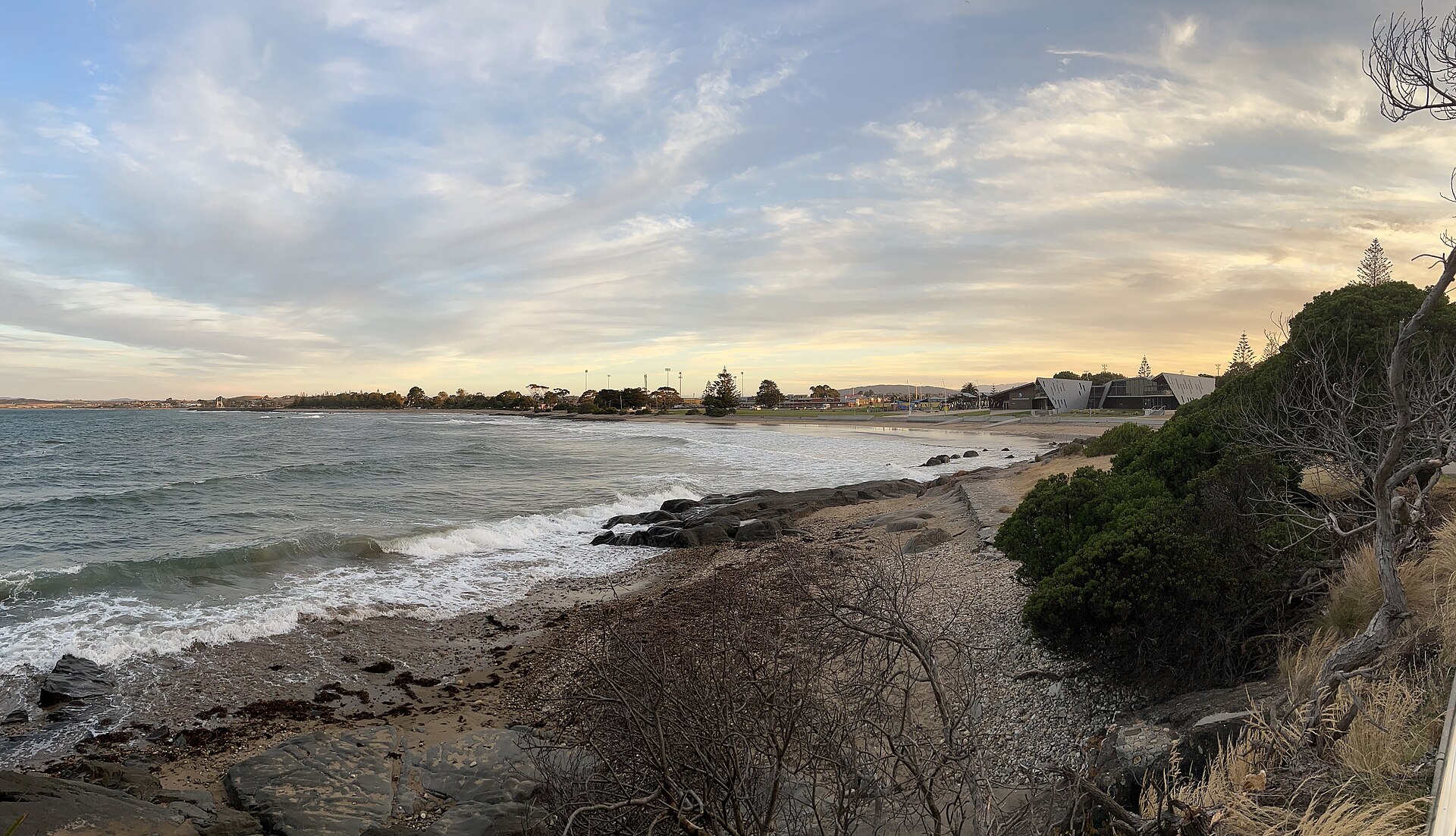
Enrolments in structured mindfulness programs across Hobart have climbed sharply over the past eighteen months, with several community centres reporting waitlists that didn't exist in 2024. The reason isn't mysterious: Australians are working longer hours, housing stress is mounting, and a growing body of clinical research is giving meditation the kind of credibility it struggled to earn a decade ago.
That credibility matters right now. With household budgets squeezed and job satisfaction wobbling for many workers, the appeal of a low-cost, evidence-backed mental health tool is obvious. Mindfulness isn't a cure-all, anyone dealing with clinical anxiety or depression should speak with a GP or psychologist first, but as a daily maintenance habit, the evidence base has become hard to ignore.
What's on the Ground in Hobart
The most accessible entry point for most Hobartians is the Mindfulness-Based Stress Reduction program run through the University of Tasmania's Wicking Dementia Research and Education Centre on the Sandy Bay campus. The eight-week MBSR course, adapted from Jon Kabat-Zinn's original clinical model, costs around $280 for community participants and is delivered in a small-group format, typically capped at 16 people. Sessions run on Wednesday evenings, and the July intake still had a handful of spots as of this week. It's not free, but it's structured, evidence-based, and led by facilitators with formal training.
For something that costs nothing, the Hobart Meditation Circle meets every Tuesday at 6.30 p.m. inside the Friends Meeting House on Barrack Street in the CBD. The group, which has been quietly running since 2019, draws between eight and twenty people depending on the week. No doctrine, no membership fee, no obligation to stay for the tea and conversation afterward, though most people do. Newcomers are welcome to arrive at 6.15 p.m. for a brief orientation.
Further up the hill, the kunanyi/Mt Wellington precinct is being used informally by at least two guided walking-meditation groups who meet at the Sphinx Rock carpark on Pinnacle Road on Saturday mornings. The walks are organised through a private Facebook group called Mindful Walks Tasmania, which had around 340 members as of early July. The format, roughly 90 minutes of slow, silent walking followed by a ten-minute seated practice, costs nothing and requires only moderate fitness.
Down on the waterfront, the Hobart Waterfront parkrun community has begun integrating a short post-run breathing and grounding session on the first Saturday of each month, held at the Macquarie Wharf precinct near the Museum of Old and New Art ferry terminal. It's five minutes, it's optional, and it requires no previous experience. Small, but a smart on-ramp for people who are curious but commitment-shy.
Apps That Actually Work, And What They'll Cost You
For those who prefer to start at home, the app market has matured considerably. Smiling Mind, built by an Australian not-for-profit and used in several Tasmanian primary schools through the Department of Education's wellbeing strategy, remains completely free and requires no account for basic access. Its adult program includes a 21-day foundational course that takes about ten minutes per day.
Calm and Headspace both sit at roughly $89 to $99 per year for individual subscriptions, expensive enough that it's worth trialling the free content first. A 2024 meta-analysis published in the journal JAMA Internal Medicine, covering 47 randomised controlled trials, found that app-based mindfulness interventions produced statistically significant reductions in self-reported stress scores after as few as eight weeks of regular use. That's not a miracle, but it's a real effect.
Insight Timer, often overlooked, is worth a mention: it hosts more than 200,000 free guided meditations and has a surprisingly active Tasmanian user community with locally tagged sessions. A lifetime premium upgrade runs a one-off $89.
The practical advice is simple. Pick one entry point, a Tuesday night on Barrack Street, a Saturday walk up kunanyi, or ten minutes with Smiling Mind before breakfast, and stick with it for four weeks before deciding whether it's working. Research consistently shows that consistency matters far more than duration. Twenty minutes every day outperforms ninety minutes once a week. Start small, stay local, and if symptoms of anxiety or depression are part of the picture, loop in a Tasmanian GP before relying on any app or group as a primary support.