wellness
First light, clear mind: Tasmania's best sunrise spots for outdoor yoga and meditation
From kunanyi's ridgelines to the Hobart waterfront, Tasmanians are claiming the cold morning hours as their own, and the science backs them up.
Listen in English · 5 min
How we reported this
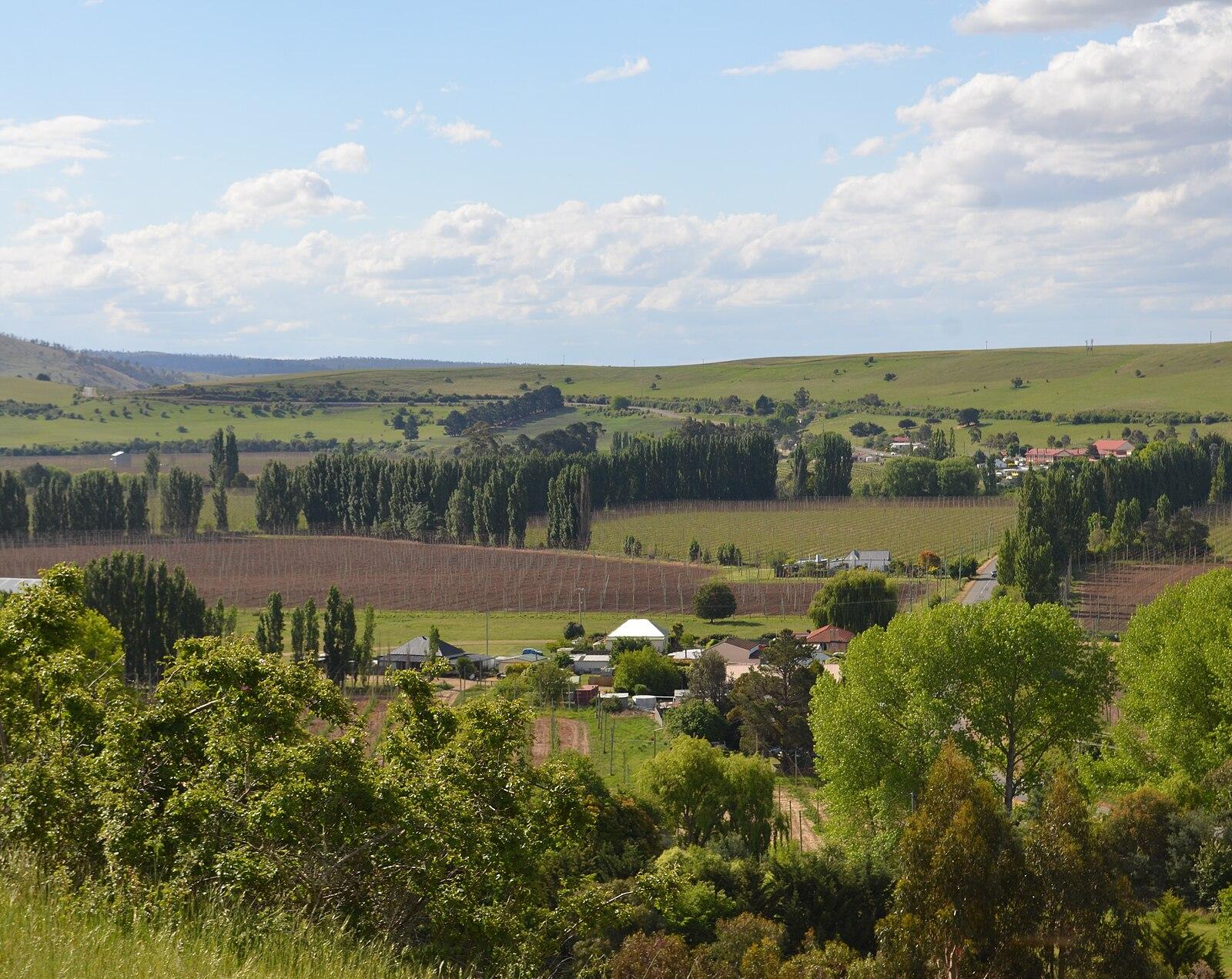
More Hobartians are rolling out their mats before 7 a.m. Instructors running outdoor sessions along the Sullivan's Cove foreshore report consistent upticks in attendance through the winter months of 2026, with some community-led groups drawing 30 or more participants on clear mornings despite temperatures sitting around 4°C at dawn. The trend points to something more deliberate than casual exercise, people are seeking stillness before the workday, and they want it outdoors.
The timing matters. Midwinter in Hobart means sunrise lands just after 7:30 a.m., which is late enough to be civilised but early enough to feel like a genuine act of intention. Combined with a growing national conversation about hormone health, sleep quality and cortisol management, topics dominating wellness coverage in mid-2026, the idea of anchoring the morning with breath work and low-impact movement in fresh air has moved well past niche. University of Tasmania researchers within the College of Health and Medicine have been examining the relationship between green-space access and psychological wellbeing in southern Tasmanian populations, and preliminary findings presented at a Hobart symposium in May 2026 suggested that even 20 minutes of outdoor morning activity measurably lowered self-reported stress scores across a study cohort of 214 adults.
Where to go: the spots earning a following
kunanyi/Mt Wellington remains the obvious headline act. The Pinnacle Road lookout at 1,271 metres is unbeatable on a clear morning, the light breaks over the Derwent estuary in stages, first catching the Eastern Shore suburbs of Mornington and Rokeby, then flooding the CBD below. Serious hikers and yoga practitioners have both claimed the flat stone platform near the summit shelter. Getting there requires a car or a committed pre-dawn ride up the mountain, and warm layers are non-negotiable; wind chill at the Pinnacle regularly strips five to eight degrees off the ambient temperature. The Organ Pipes Track junction, about 300 metres below the summit, offers a more sheltered alternative with broad valley views and enough flat rock to hold a stable warrior pose.
Closer to sea level, Mawson Place on the Sullivans Cove waterfront, the paved open area directly in front of the Hobart waterfront markets precinct, has become an informal gathering point for sunrise yoga. It costs nothing, requires no booking, and faces northeast, meaning the light arrives directly on your face as it clears the Kunanyi range. The Hobart Waterfront parkrun, which assembles at Regatta Ground on Sandy Bay Road each Saturday at 8 a.m., has noted its own cohort of regulars who arrive 30 minutes early specifically to meditate on the riverbank before the 5km course begins.
Battery Point's Princes Park, a compact reserve off Hampden Road with unobstructed water views, suits those who prefer somewhere quiet and residential. Sandy Bay Beach, accessed via the end of Beach Road, draws a smaller but devoted crowd and offers the rare Tasmanian luxury of sand underfoot. For the eastern shore, Kangaroo Bay Reserve in Bellerive, directly opposite the CBD across the Derwent, provides arguably the best angle on the city skyline at first light, with a wide grassed esplanade and minimal foot traffic before 8 a.m.
Making it stick: practical notes
Layering is the most common barrier to outdoor winter practice. Hobart's average July minimum is 3.8°C according to Bureau of Meteorology historical data, but still air and low wind make the cold manageable in a way that Melbourne's damp chill is not. A merino base layer plus a windproof shell is the standard combination reported by regular outdoor practitioners. Waterproof yoga mats, several Hobart sporting goods retailers on Elizabeth Street stock them from around $65, solve the wet-grass problem.
Community-organised sessions run through platforms including Meetup and the Hobart Yoga Community Facebook group, with several free or low-cost sunrise events scheduled through July and August 2026. The State Government's GetActive Tasmania portal also lists outdoor fitness programs with sliding-scale fees. For anyone dealing with specific musculoskeletal or mental health considerations, checking in with a GP or allied health professional before committing to regular cold-weather outdoor practice is sound practice, particularly for those managing respiratory conditions, which Hobart's clean but crisp winter air can aggravate.
The mats are already on the foreshore. The question is whether you set an alarm.