wellness
Beyond kunanyi: The hidden nature walks locals love but tourists miss
While visitors queue for the Wellington Park summit, Hobart's best-kept walking secrets sit largely undisturbed, and the regulars who use them would like to keep it that way.
How we reported this
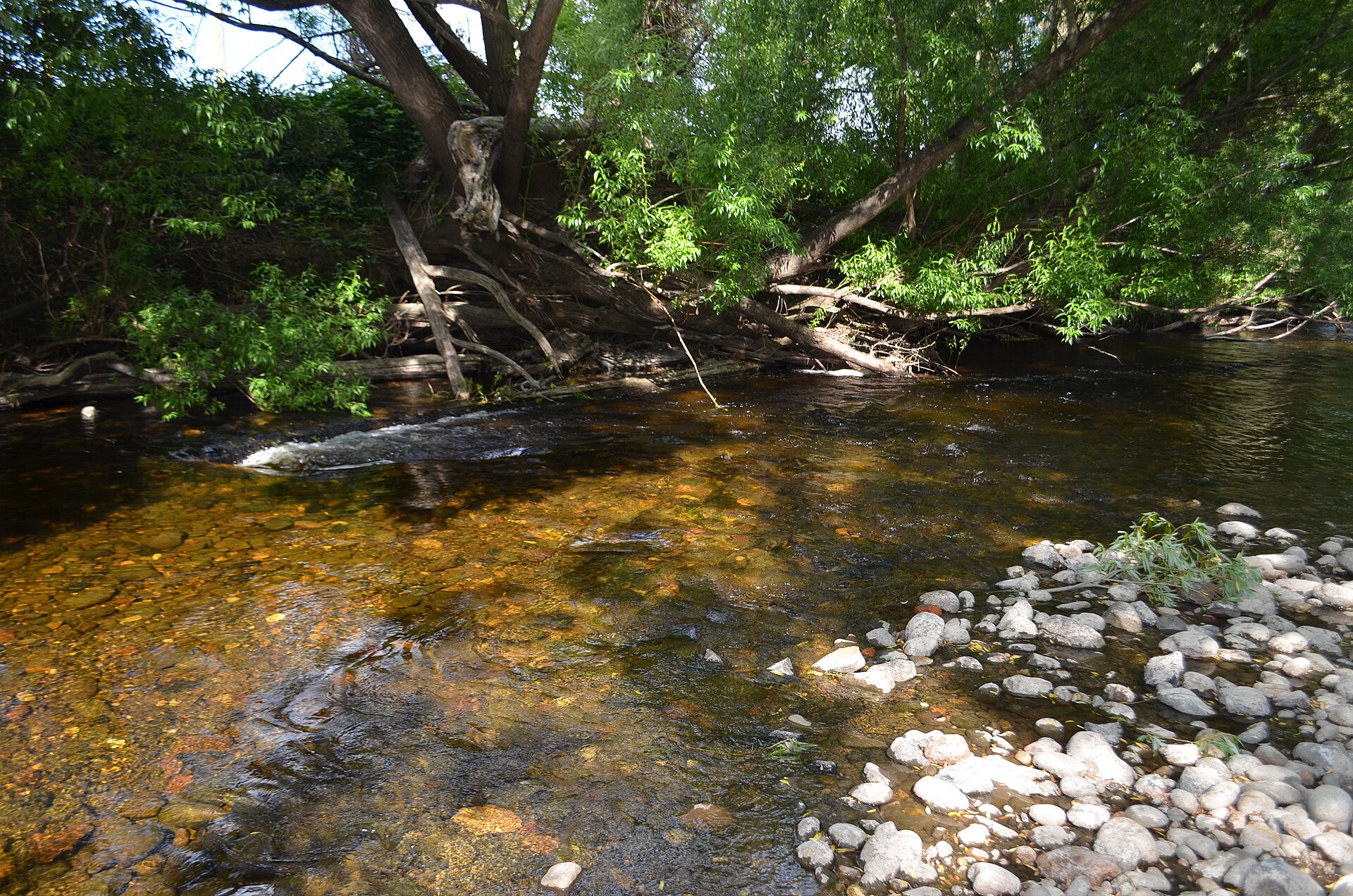
Most Saturdays, a loose cluster of Hobart residents sets off before 8am along the Meehan Range trail network east of Rokeby, finishing their loop well before the first tour buses have rolled through Salamanca Place. They are not hiding exactly, but they are not advertising, either.
Tasmania's outdoor fitness culture runs deeper than the postcard shots of kunanyi/Mt Wellington suggest. Across Greater Hobart and beyond, a network of fire trails, coastal heath tracks and river-flat circuits absorbs thousands of local walkers and trail runners each week with almost no fanfare, no signage in Mandarin or German, and no $30 shuttle ticket required.
The timing matters. Australian Bureau of Statistics data released in March 2026 showed that 62 per cent of Tasmanians now report walking or hiking as their primary form of physical activity, the highest of any state. With gym membership costs averaging $74 a month in Hobart according to a February 2026 survey by consumer group CHOICE, free green space has become not just a preference but a financial calculation.
The tracks the regulars protect
The Waterworks Reserve on Collins Road in South Hobart sits less than five kilometres from the CBD, but its lower loops, threading past the old reservoir infrastructure and through stands of blue gum, draw a consistent crowd of early-morning walkers who treat the place like a neighbourhood park rather than a tourism asset. The Hobart City Council manages the reserve, and its trail map has not been updated since 2019, which may explain why it rarely appears on the major hiking apps.
Further north, the Tolosa Park trail network in Glenorchy is another local favourite that most visitors drive straight past on the Brooker Highway without a second look. The park sits between the suburb and the kunanyi foothills and connects to longer routes toward the Springs. The Glenorchy City Council has quietly upgraded the lower gravel paths over the past two summers, adding better drainage but stopping short of the kind of infrastructure investment that brings car parks and café kiosks, a deliberate restraint that regulars appreciate.
On the Eastern Shore, the South Arm Peninsula offers coastal heathland walking that locals from Rokeby and Clarendon Vale have used for decades. The circuit from Calverts Hill out toward Opossum Bay covers roughly 8 kilometres of mostly unmarked track and delivers panoramic views of the D'Entrecasteaux Channel that rival anything on the more famous Three Capes Track. Parks Tasmania lists the area in its online database, but it receives a fraction of the web traffic of better-known reserves.
What the evidence says about outdoor fitness
University of Tasmania researchers published findings in April 2026 through the Menzies Institute for Medical Research showing that participants who walked in natural green space three or more times per week reported measurably lower cortisol levels after eight weeks compared with those exercising in built environments. The sample size was 214 Hobart residents aged 30 to 65. It is not the first study to make this connection, but the Hobart-specific data gave local health practitioners something concrete to point to.
The Hobart Waterfront parkrun, which runs every Saturday at 7am from the Franklin Wharf precinct, recorded its highest-ever single-event attendance of 612 participants on 14 June 2026. Coordinators say roughly a third of those are regulars who treat it as a warm-up before heading to one of the lesser-known reserves afterward.
For anyone wanting to explore beyond the well-worn tourist routes, a practical starting point is the Bushwalking Tasmania website, which maintains a community-edited trail database with offline GPS files available for free download. The Hobart Walking Club, which has been operating since 1929, runs guided walks most Sunday mornings between April and October, membership costs $35 a year for adults. Local GPs and exercise physiologists at clinics including those affiliated with the Tasmanian Health Service can offer personalised advice on matching trail difficulty to individual fitness levels, particularly for anyone returning to regular exercise after a break.
The tracks will still be there next Saturday. So will the regulars, probably hoping you find somewhere else to be.