wellness
Cold air, dry lungs: what Tasmanians actually need to drink in winter
The island's biting westerlies and heated indoor air are quietly dehydrating people, and most locals have no idea.
How we reported this
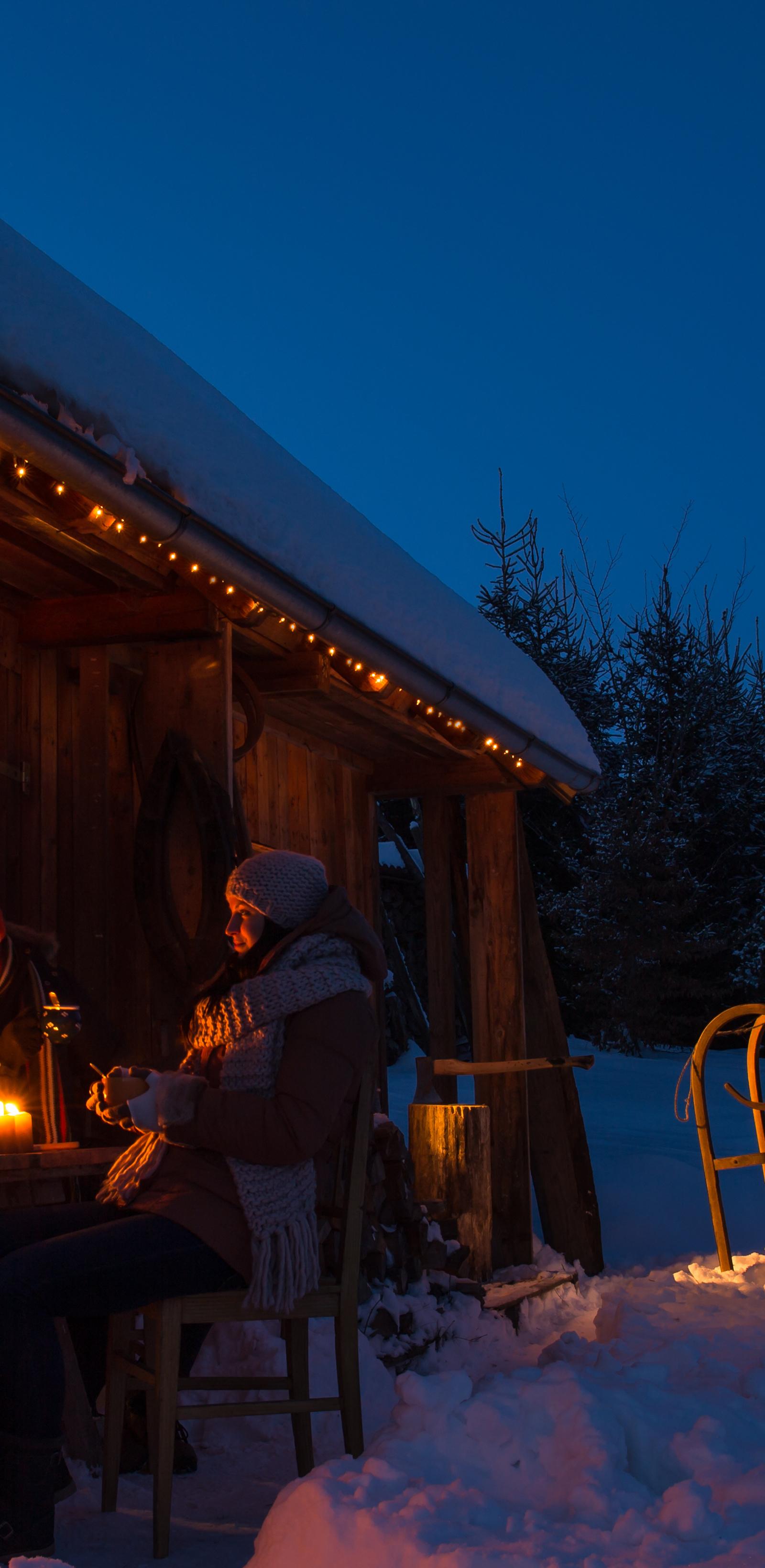
Tasmania's winter air carries a particular kind of deception. Step outside on the Hobart waterfront on a July morning, temperature sitting around 5°C, wind ripping off the Derwent, and sweating is the last thing on your mind. But the same cold, dry air that makes kunanyi/Mt Wellington look postcard-perfect is pulling moisture from your respiratory tract with every breath. According to guidance from the Australian Institute of Health and Welfare, mild dehydration can set in well before thirst signals fire, and cold-weather conditions specifically blunt that thirst response.
This matters now because July is peak season for the behaviours that stack dehydration risk: longer hours indoors under reverse-cycle heating, fewer cold drinks consumed instinctively, and a surge in Tasmanians heading out for winter hikes and the weekly Hobart Waterfront Parkrun, held every Saturday at 8am along the Sullivans Cove foreshore, without adjusting their fluid intake from summer habits. Add the recent uptick in interest around hormonal health, including melatonin and HRT regimens that affect fluid balance, and hydration has quietly become a more complicated calculation for a lot of people.
Why winter fooled you into thinking you weren't thirsty
The physiology is fairly straightforward. Cold temperatures trigger peripheral vasoconstriction, blood moves to the body's core, which reduces the kidney's signal to conserve water. Research published in the Journal of Applied Physiology found cold-weather exercise can suppress thirst by up to 40 percent compared with equivalent exertion in warm conditions. For someone tackling the Organ Pipes Track on kunanyi, that is a meaningful gap between how much fluid they are losing and how much they feel compelled to replace.
Indoor heating compounds the problem. A standard reverse-cycle system running at 21°C reduces relative indoor humidity to as low as 20 to 30 percent, comparable to desert conditions, according to standards published by Standards Australia. Hobart rental data suggests the median weekly rent hit $560 in the June 2026 quarter, pushing more households into older, less-insulated homes in suburbs like Glenorchy and Moonah where portable electric heaters, significantly drier heat sources, are more common.
The University of Tasmania's Menzies Institute for Medical Research, based on Liverpool Street in the Hobart CBD, has produced work connecting respiratory illness rates in southern Tasmania to indoor air quality, including humidity levels. Dry airways are more vulnerable to the rhinoviruses circulating heavily right now. Staying hydrated keeps mucous membranes functional, a boring sentence that describes a genuinely important winter defence mechanism.
What to actually drink, and how much
The National Health and Medical Research Council's Australian Dietary Guidelines set a baseline of 2.1 litres per day for adult women and 2.6 litres for adult men, counting fluids from all food and drink sources. Those figures assume a temperate baseline and rise with physical activity. For a two-hour kunanyi summit hike in cold conditions, add at least 500ml to 750ml, consumed before and during, not after.
Water is still the answer, filtered tap water from Hobart's mountain catchments is among the cleanest municipal water in Australia, sourced from the Florentine and Derwent catchments and consistently passing all Safe Drinking Water Act 2003 benchmarks. Herbal teas count. Coffee and black tea count, despite persistent myths to the contrary; their mild diuretic effect does not negate their fluid contribution at normal consumption levels of one to three cups daily. Bone broths and miso, staples at several Salamanca Place cafés and the Farm Gate Market on Bathurst Street, are practical warm hydration options with the bonus of electrolytes.
What to limit: alcohol dehydrates aggressively and is consumed at higher rates during winter social seasons; sugary drinks spike blood glucose in ways that can actually increase fluid excretion. Sports drinks are largely unnecessary unless exercise exceeds 90 minutes at intensity.
The practical adjustment for most Tasmanians this July is simple: keep a 750ml water bottle visible on your desk or kitchen bench. Out of sight genuinely means out of mind when thirst is already suppressed. Set a phone reminder at 10am and 3pm if that helps. Check your urine colour, pale straw is hydrated; darker yellow means drink now. And before the next Parkrun Saturday, drink 500ml in the hour before you arrive at Sullivans Cove. The cold will not remind you. You have to remind yourself.
This article is general wellness information only. Consult a GP or accredited practising dietitian for personalised hydration advice, particularly if you are managing a health condition or taking medication.