wellness
Tasmania's Scientists Prove Outdoor Activity Boosts Mental and Physical Health
UTAS scientists and public health data are catching up with what Hobart's weekend hikers have long suspected: the island's natural environment is doing measurable good for mental and physical health.
Listen in English · 4 min
How we reported this
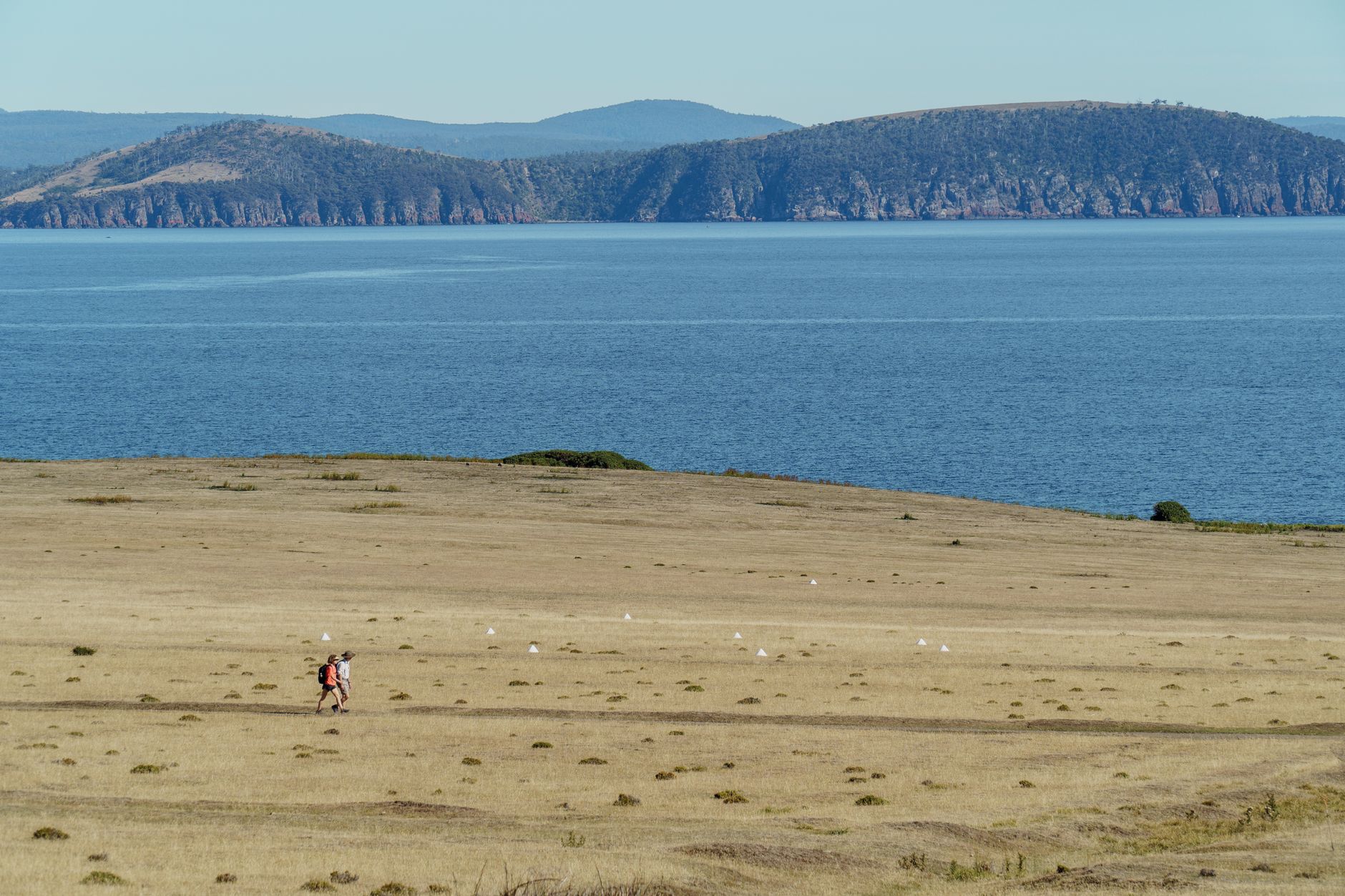
Tasmania's outdoor lifestyle has always felt instinctively healthy. Now the science is starting to confirm it. Researchers at the University of Tasmania's Menzies Institute for Medical Research published findings earlier this year showing that regular exposure to natural green and blue spaces, forests, coastlines, mountain trails, is associated with a statistically significant reduction in self-reported anxiety scores among adults aged 25 to 60. The Hobart-centred cohort study, which tracked 1,140 participants across 18 months, found those who spent at least 120 minutes per week outdoors in natural settings were 24 per cent less likely to report moderate-to-severe psychological distress compared with those who spent fewer than 30 minutes.
That number matters right now. Sydney just recorded its hottest June since 1859, a record that climate scientists are describing as a marker of accelerating temperature shifts on the mainland. Tasmania, with its Southern Ocean exposure and significantly cooler average temperatures, sits in a different climatic reality, and public health researchers here are increasingly interested in whether the island's environment itself constitutes a form of preventive medicine.
The Hobart Experiments: Parkrun Data and Mountain Medicine
The Hobart Waterfront parkrun, which draws between 180 and 250 registered participants to the Cenotaph near Franklin Wharf most Saturday mornings at 8 am, has become an informal data point in conversations about urban green space and physical activity. The event is free, timed, and, crucially, socially structured, which researchers at the School of Psychological Sciences at UTAS note matters as much as the exercise itself. Social connection is now classified by the Australian Institute of Health and Welfare as a primary determinant of wellbeing, on par with physical activity levels.
Further up the mountain, the kunanyi/Mt Wellington trail network above Hobart's western suburbs draws thousands of walkers year-round despite winter temperatures at the 1,271-metre summit regularly sitting near freezing in July. The Organ Pipes Track and the Pinnacle Road walking routes see consistent foot traffic even in mid-winter, and exercise physiologists at the Royal Hobart Hospital's rehabilitation unit have pointed to aerobic hikes at altitude as beneficial for cardiovascular conditioning. The combination of cold air, moderate exertion, and what researchers term 'restorative environments' appears to compound the benefits beyond what indoor exercise alone produces.
Tasmania's clean air quality is not incidental to this picture. Hobart consistently ranks among the lowest for PM2.5 particulate matter of any Australian capital, with annual average readings typically sitting below 4 micrograms per cubic metre, well under the World Health Organisation's 2021 guideline of 5 micrograms and dramatically lower than mainland cities. The eating culture here has shifted in parallel: the Farm Gate Market on Bathurst Street every Sunday morning has expanded to more than 60 regular stallholders as of July 2026, reflecting sustained consumer appetite for locally grown, minimally processed food.
What the Research Suggests You Should Actually Do
The evidence doesn't demand dramatic lifestyle changes. The Menzies study threshold of 120 minutes per week outdoors works out to roughly 17 minutes a day, the length of a walk from the CBD to the waterfront and back. For those in Hobart's northern suburbs, the Intercity Cycleway running through Moonah and Glenorchy offers a paved, accessible route with consistent green canopy. The kunanyi summit hike is a weekend option rather than a daily requirement.
Hormone health, sleep quality and stress regulation are all areas where emerging research, including work being tracked through the Australian Longitudinal Study of Women's Health, links outdoor physical activity to measurable physiological improvements. Melatonin regulation, for instance, is sensitive to morning light exposure, which is precisely what a 7 am walk along the Derwent foreshore at Sandy Bay provides.
Anyone managing a specific health condition should speak with their GP at a Tasmanian clinic before making significant changes to their activity routine. The broader picture, though, is that the island's geography and climate may represent a genuine public health asset, one that costs nothing to access and that the research is only now beginning to quantify properly.