wellness
Tasmanian Scientists Shed Light on the Real Impact of Outdoor Wellness Routines
As temperatures climb across Australia, UTAS researchers unpack how science is backing up the state’s signature nature-based health approach.
How we reported this
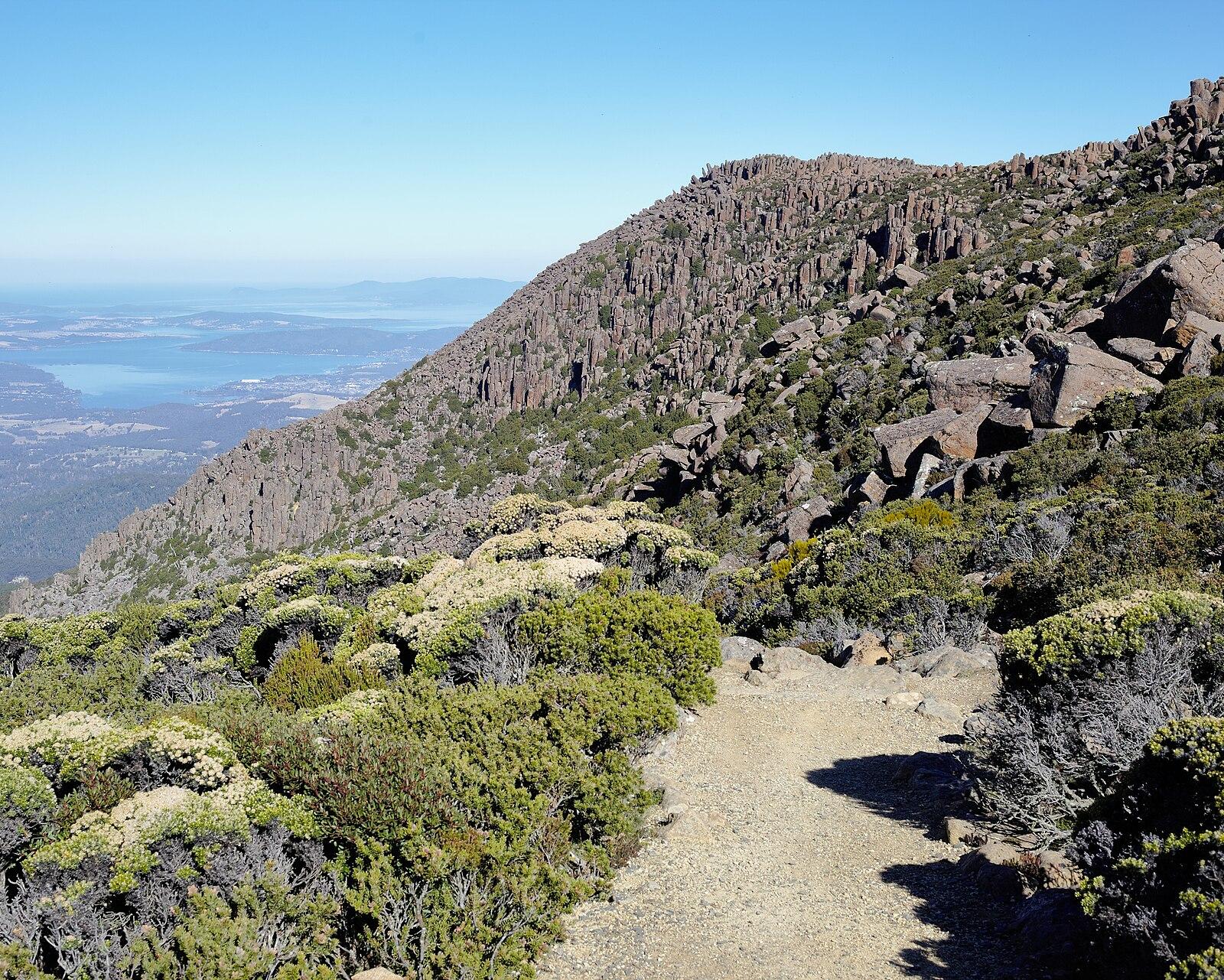
This winter, the University of Tasmania (UTAS) has released new findings pointing directly to the measured benefits of Hobart’s favourite wellness routines: exercise in nature. Their ongoing studies on residents regularly hiking kunanyi / Mt Wellington and swimming off Sandy Bay point to more than just anecdotal mood boosts. The research team, based out of the Menzies Institute for Medical Research on Liverpool Street, is mapping visible changes in stress hormone levels and markers of immune health before and after these popular activities.
Why Nature-Based Wellness Matters Right Now
Record-breaking winter temperatures in Sydney and a corresponding uptick in local conversations about climate stress have been the backdrop to the renewed interest in wellness strategies in Tasmania. With Hobarters feeling the effects of unpredictable weather patterns, UTAS researchers say there’s a heightened urgency to understand which approaches really counter stress-and which are grounded in solid evidence. As Dr. Emily Bain, project lead on the Nature and Health Collaborative, put it to local media, the demand for proof is higher than ever as the region adapts its routines to hotter, drier seasons.
While global and interstate studies have pointed to the benefits of greenery and fresh air, local programs are giving the research a Tasmanian heartbeat. The popular Hobart Waterfront parkrun, which gathers runners from Battery Point to Hunter Street every Saturday, now partners with UTAS to gather anonymised participant wellbeing data. Meanwhile, Tas Healthy Parks Healthy People, a pilot scheme run at Waterworks Reserve in South Hobart, is now using monitored walks to draw direct correlations between time spent in bushland and reduced symptoms of mild depression.
Measuring the Science: Local Data Comes to the Fore
Concrete numbers are starting to flow in. According to UTAS’s most recent evaluation (June 2026), participants who engaged in guided exercise on kunanyi / Mt Wellington at least once a week had an average 18% drop in self-reported stress (as measured on the Perceived Stress Scale), compared to non-participants. The parkrun collaboration has revealed an 11% improvement in mood scores for first-timers over a 4-week period. Encouragingly, a third of Waterworks pilot participants opted to reduce their reliance on prescription sleep aids after two months in the program.
The cost to join the Wellness Walks initiative sits at $5 per session-and the organisers have noted a doubling in registrations since April, up to more than 120 locals weekly. Meanwhile, the Menzies Institute is planning a larger study set for roll-out over summer to track the long-term cardiovascular impacts of group outdoor activities at sites around Hobart and Launceston.
For locals eager to benefit, UTAS recommends starting with accessible venues: the Pipeline Track above Fern Tree, Long Beach at Lower Sandy Bay, or any of the city’s free outdoor yoga meetups (like the popular Thursday mornings at Salamanca Square). The science now points to just two hours a week in blue or green spaces as a realistic threshold for mood and sleep benefits. But with July forecast to hit record highs, researchers say mindful scheduling and early morning sessions-and consulting your GP before starting any new fitness regime-will help Tasmanians safely harness the proven wellness payoff of their island’s wild places.