wellness
The Hidden Nature Walks Locals Love but Tourists Miss
Beyond kunanyi and the foreshore, Tassie has secret tracks where locals escape, and the visitors rarely tread.
How we reported this
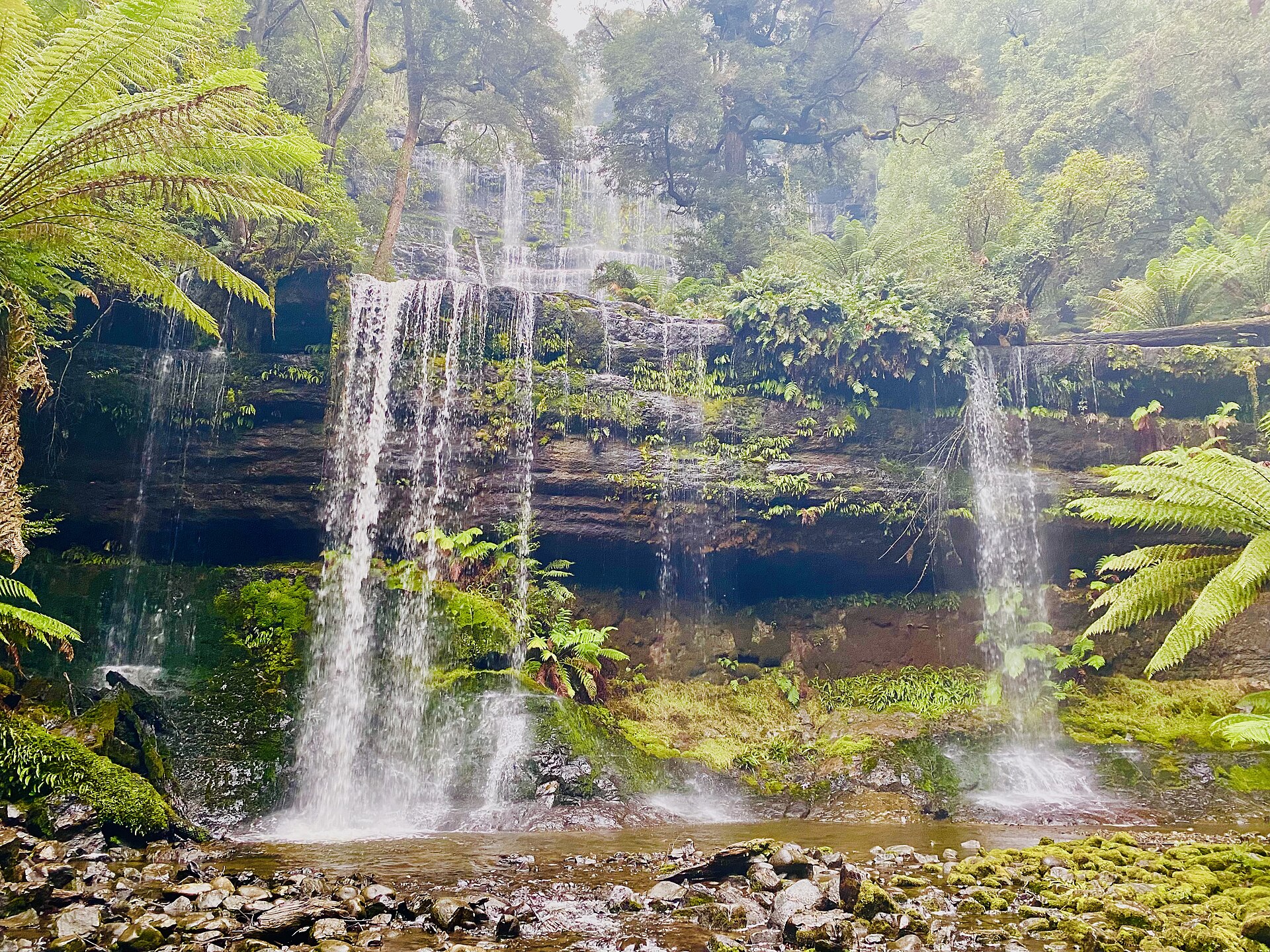
Tucked in behind suburban shopping strips and just past the regular picnic sites, there are walking tracks in southern Tasmania where the only crowds are wallabies and the chatter comes from superb fairywrens. Despite a record influx of interstate visitors this winter, many locals say their favourite green refuges remain untroubled by the selfie-stick brigade.
This gives residents a rare luxury: a chance to recharge in peace, at a time when much-publicised mental health figures for Tasmania show anxiety and stress on the rise. With school holidays and tourist numbers up 31% from pre-pandemic levels according to Tourism Tasmania’s May snapshot, stories of overloaded mountain trails and parking headaches around Waterworks Reserve have become all too familiar. Yet for those who know where to look, there are still tracks on the map that escape the limelight.
Quiet Trails in Hobart’s Back Yard
In Lenah Valley, the New Town Rivulet Track runs from Pottery Road behind Lady Franklin Gallery, meandering quietly through a forested creek corridor. While kunanyi/Mt Wellington summit draws tens of thousands each season, this partly sealed and mostly flat track rarely sees more than a dozen people in an hour, even during Saturday’s midday rush. Trentham Park is a favourite waypoint: dog walkers, families, and the odd trail runner duck down here for a thirty-minute respite out of the wind. Despite being just four kilometres from Hobart’s CBD, only locals seem to use it regularly.
Another regular haunt is Stringybark Gully Reserve in Sandy Bay, hidden just off Churchill Avenue. Maintained in part by the Friends of Stringybark Creek Landcare group, the 2km circuit winds past peppermint gums and mossy stone walls. Even in the depths of winter, you’ll spot eastern spinebills and the call of yellow-tailed black cockatoos, and almost never a rental car in sight.
Tasmanian Walking Habits: What the Data Shows
The Tasmanian Parks and Wildlife Service manages over 230 reserves, attracting 1.25 million visitors in 2024. But local surveys tell a different story: while Mount Wellington and the Pipeline Track see over 120,000 users annually, the New Town Rivulet Track averages less than 200 walkers per week according to Hobart City Council’s April 2026 trail counter data. And while visitors flock to the summit or the dramatic Organ Pipes, 59% of local residents in the latest UTAS Community Wellbeing Project survey (March 2026) said they prefer walking in neighbourhood nature reserves ‘within 20 minutes of home.’
Cost is another factor. With parking at major trailheads now up to $6 for two hours, many locals cite the smaller parks’ free, on-street parking, Trentham Park included, as key to their daily routines. For those seeking fitness without the crowds, the difference is more than anecdotal: on a brisk Sunday in June, parkrun data recorded 467 finishers on the foreshore course, compared to just eighteen using the Rivulet Track during the same window, according to Hobart City Council pedestrian sensors.
For locals looking to shake the winter blues without battling the tour groups, now’s the time to rediscover these hidden trails. The Hobart City Council publishes up-to-date maps and maintenance updates on their website, and Landcare Tasmania coordinates volunteer days for residents interested in helping keep local reserves healthy. A little local knowledge goes a long way, and for city dwellers, the best therapy may be just a short stroll from your doorstep. For advice on increasing your physical activity, or if you have health concerns, always check in with your GP before hitting a new track.