wellness
A Beginner's Guide to Starting a Meditation Practice in Tasmania
You don't need a retreat or an app subscription, just five minutes, a quiet corner, and a willingness to sit still.
How we reported this
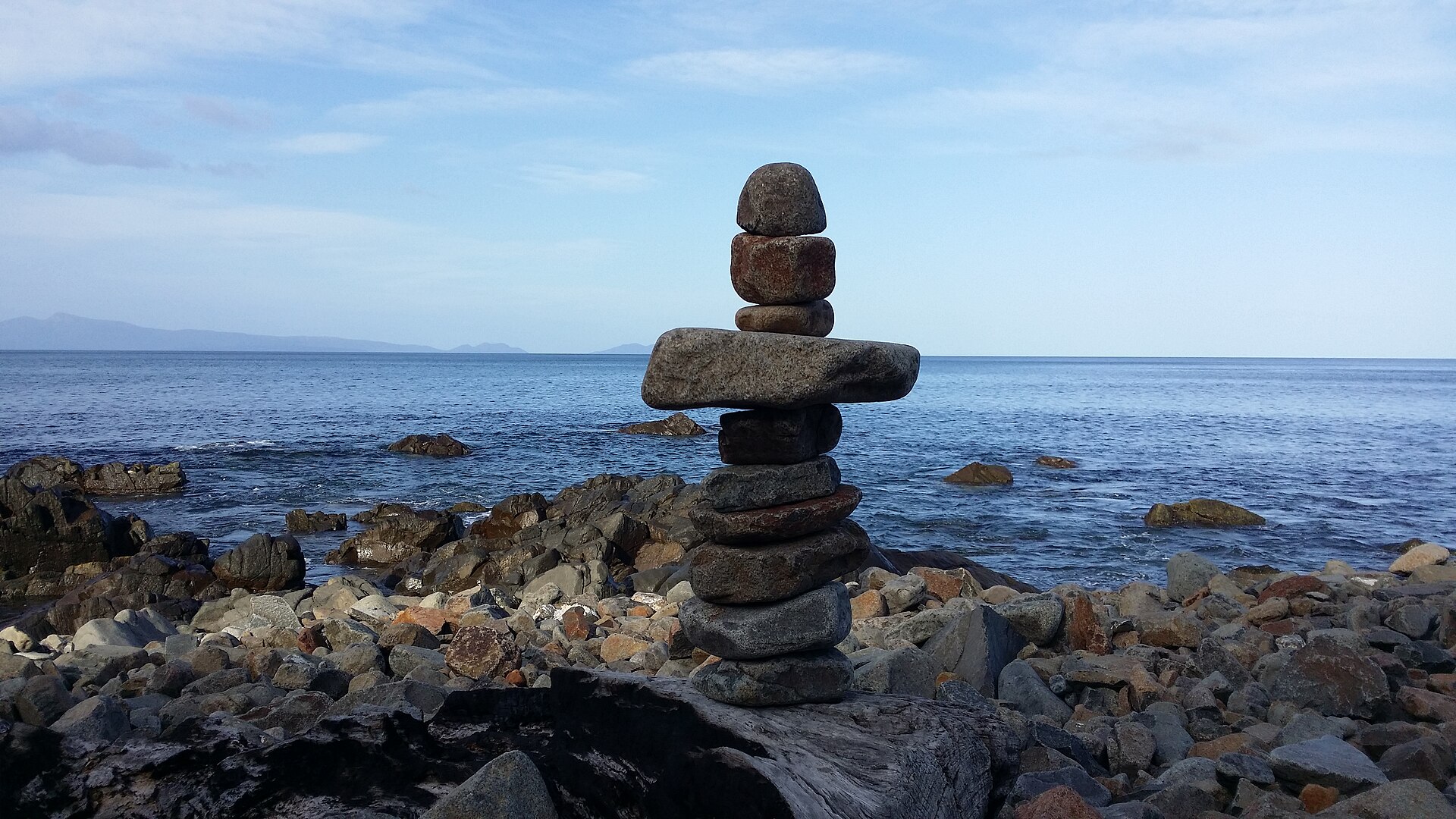
More Tasmanians are picking up meditation for the first time, and health educators say the barriers are lower than most beginners expect. The practice requires no equipment, no prior experience, and, crucially for a state where winter mornings can be brutal, no reason to leave the house. What it does require is consistency, and that's where most people fall over in the first two weeks.
The timing is not accidental. Midwinter in Hobart brings shorter days, reduced physical activity, and for many people a quiet but persistent dip in mood. July is historically the month when gym memberships stall and outdoor routines collapse. Meditation offers something that doesn't depend on weather or daylight, which makes southern Tasmania, perched at latitude 42 degrees south, a logical place for it to take hold.
Where to Start: Local Anchors for a New Practice
Two Hobart institutions are worth knowing about if you're starting from scratch. The Hobart Shambhala Meditation Centre, based in North Hobart, runs regular drop-in sessions oriented specifically toward people who have never meditated before. Sessions typically cost around $15 and run on weekday evenings, giving beginners a structured environment and a teacher in the room, something no app can replicate. The centre draws on the Shambhala tradition, which emphasises secular, breath-focused sitting practice without requiring any religious commitment.
Further south, the University of Tasmania's health and wellbeing programs through its Cradle Coast and Sandy Bay campuses have incorporated mindfulness components into student support offerings. While these are primarily available to enrolled students, UTAS has periodically opened mindfulness workshops to the broader Hobart community through its outreach calendar, worth checking directly with the university's student services team for upcoming public dates in the second half of 2026.
For those who prefer to begin outdoors, the Hobart Waterfront precinct between Sullivans Cove and the Princes Wharf area offers a practical anchor point. Several practitioners use the early-morning quiet along the waterfront, before the Saturday Salamanca Market crowds arrive, for informal walking meditation. It's not a formal program, but pairing deliberate breath awareness with a slow 20-minute walk along the waterfront is a recognised entry point recommended by mindfulness educators. The kunanyi/Mt Wellington plateau, accessible via the Pinnacle Road, serves a similar function for those who prefer elevation and silence.
The Evidence Behind the Five-Minute Rule
Research published in peer-reviewed literature over the past decade consistently shows that even brief daily meditation, sessions as short as five to ten minutes, produces measurable changes in self-reported stress levels within eight weeks. A widely cited 2018 study in the journal Mindfulness found that participants who completed an eight-week mindfulness-based stress reduction program reported a statistically significant reduction in anxiety scores compared to a control group. That program structure, originally developed at the University of Massachusetts Medical School in the 1970s, remains the most evidence-backed entry point for beginners.
Free versions of that curriculum are now available through public libraries. The Hobart City Council library network, with branches at Collins Street in the CBD and at Moonah, holds physical copies of Jon Kabat-Zinn's foundational text Full Catastrophe Living, along with several practical workbooks. Borrowing costs nothing. A library card for Hobart City Council residents is free.
App-based programs such as Headspace and Insight Timer offer structured beginner courses, with Insight Timer providing a substantial free library of guided meditations. But local educators consistently recommend pairing any app use with at least one in-person session early on, the accountability of a physical space and other people in the room is difficult to replicate through a screen.
The practical advice is simple: choose a time of day you can protect, most beginners find early morning works better than evening, when fatigue shortens sessions, and pick a single location in your home to return to each day. Consistency of place matters as much as consistency of time. Start with five minutes. Add two minutes each week. By week four, most beginners report the practice has begun to feel automatic rather than effortful. That shift, small as it sounds, is the whole game. Consult a GP or mental health professional if you are managing anxiety or depression before beginning any new wellbeing practice.